GET IN TOUCH
info@sunhilsippy.com
+91 0000000000
© 2025. SUNHIL SIPPY. all rights reserved.
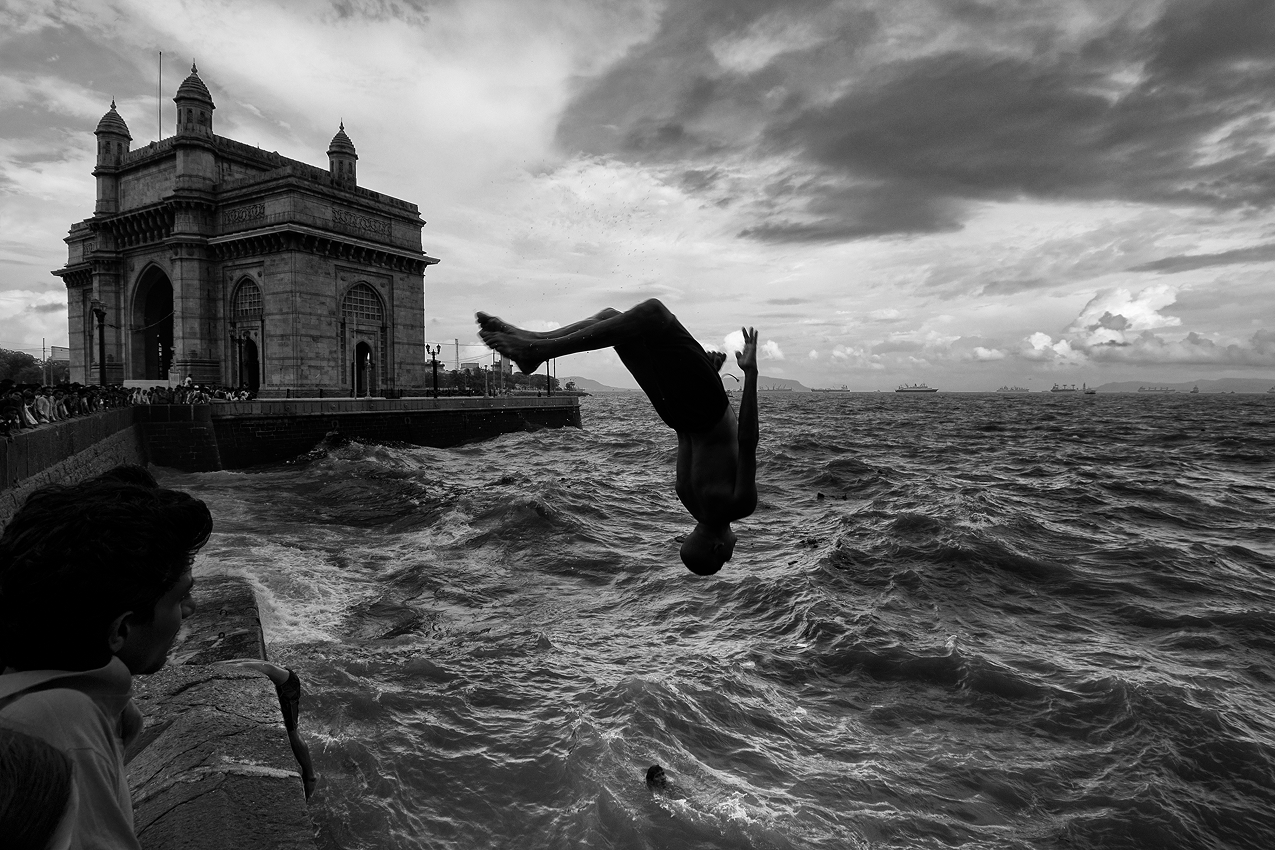
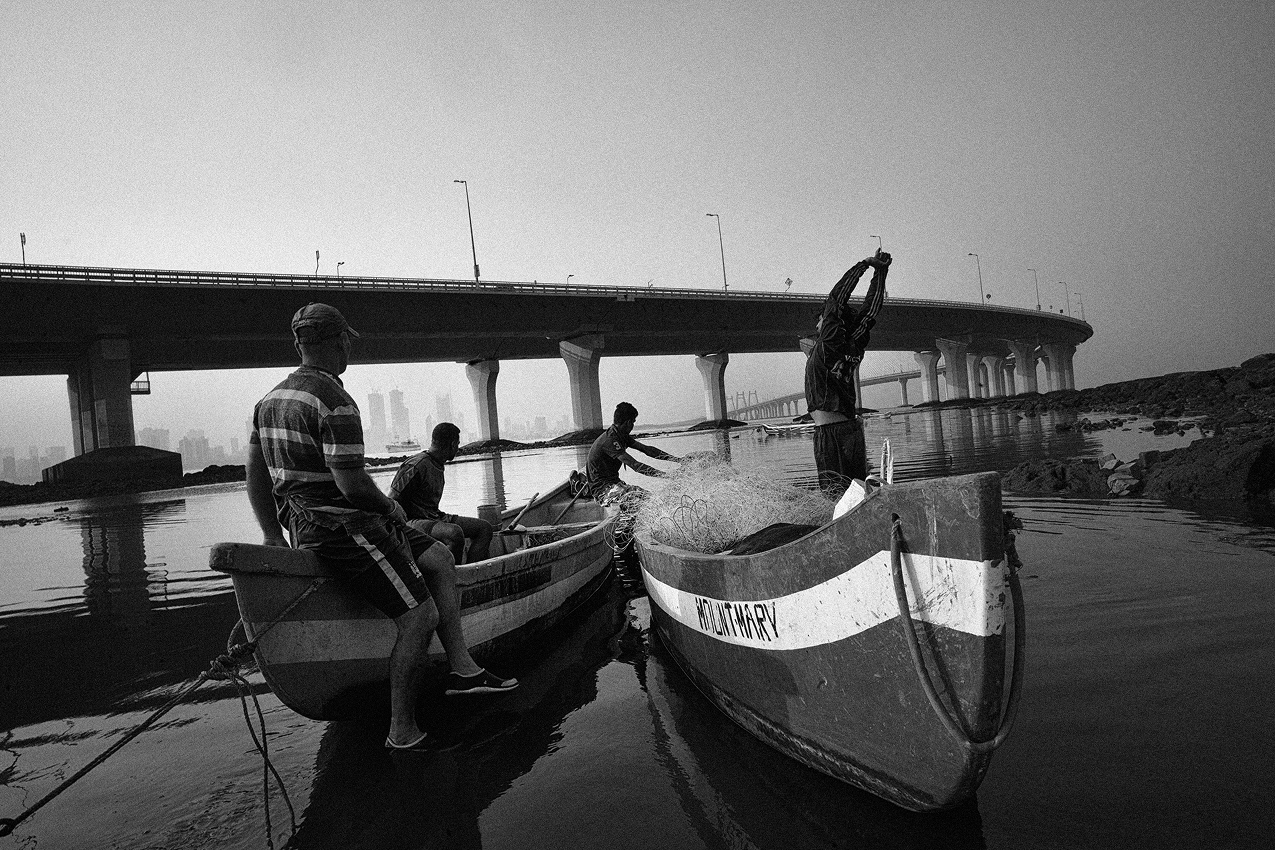
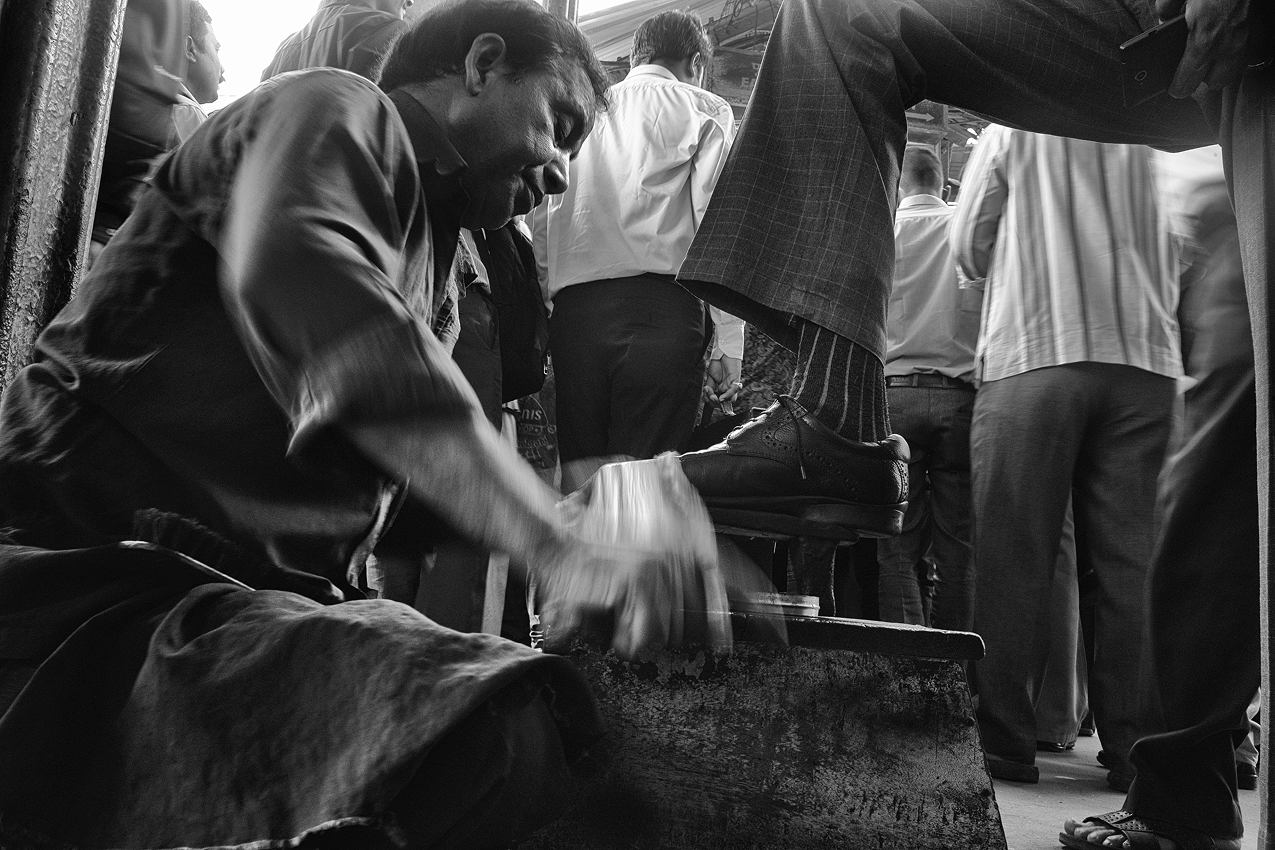
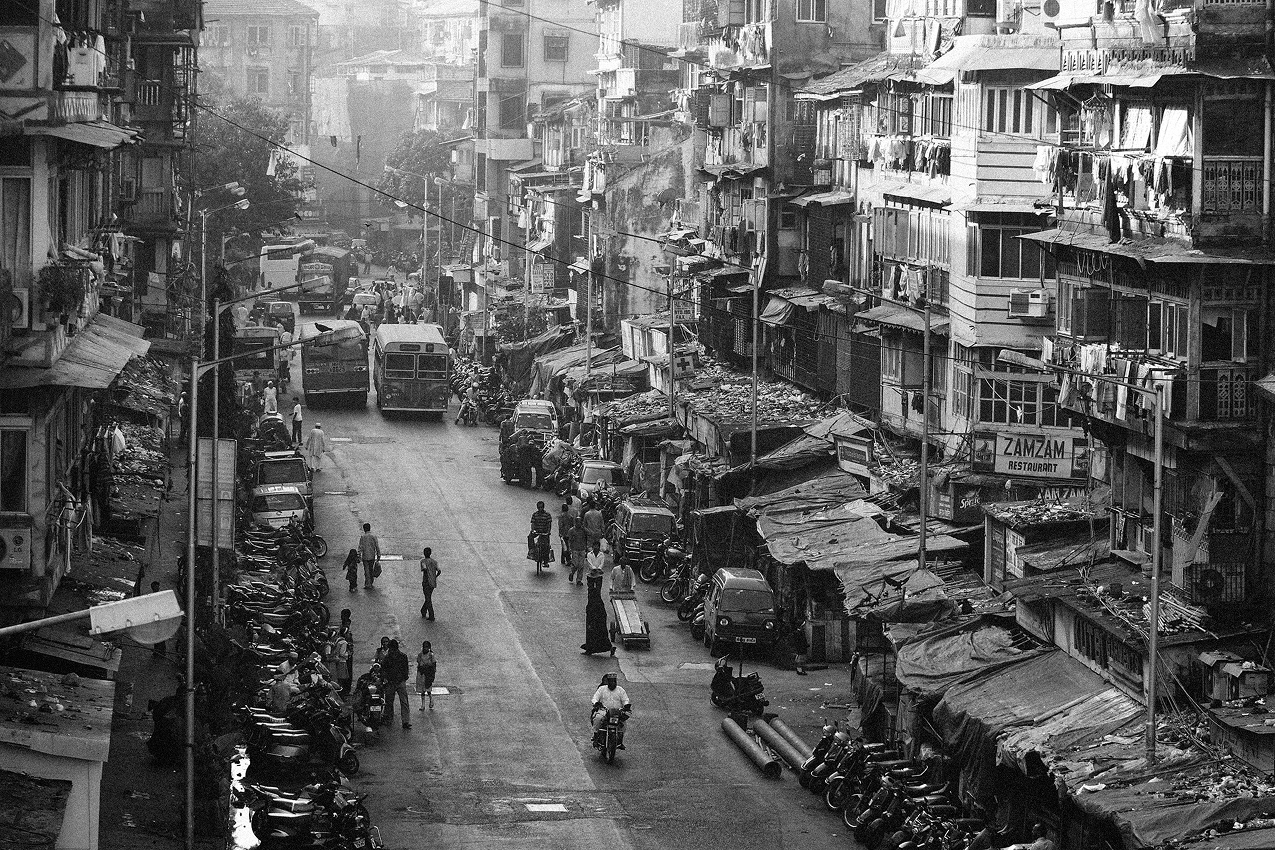
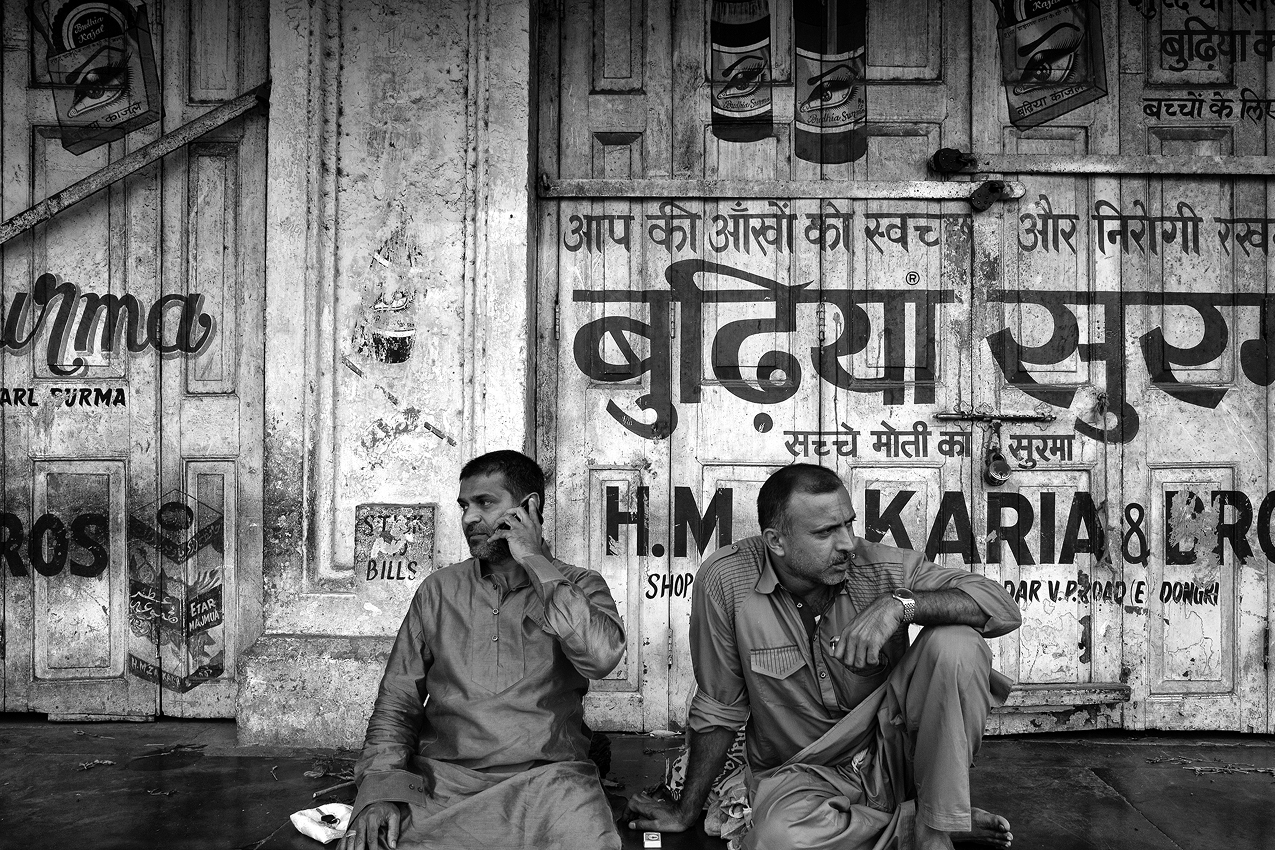
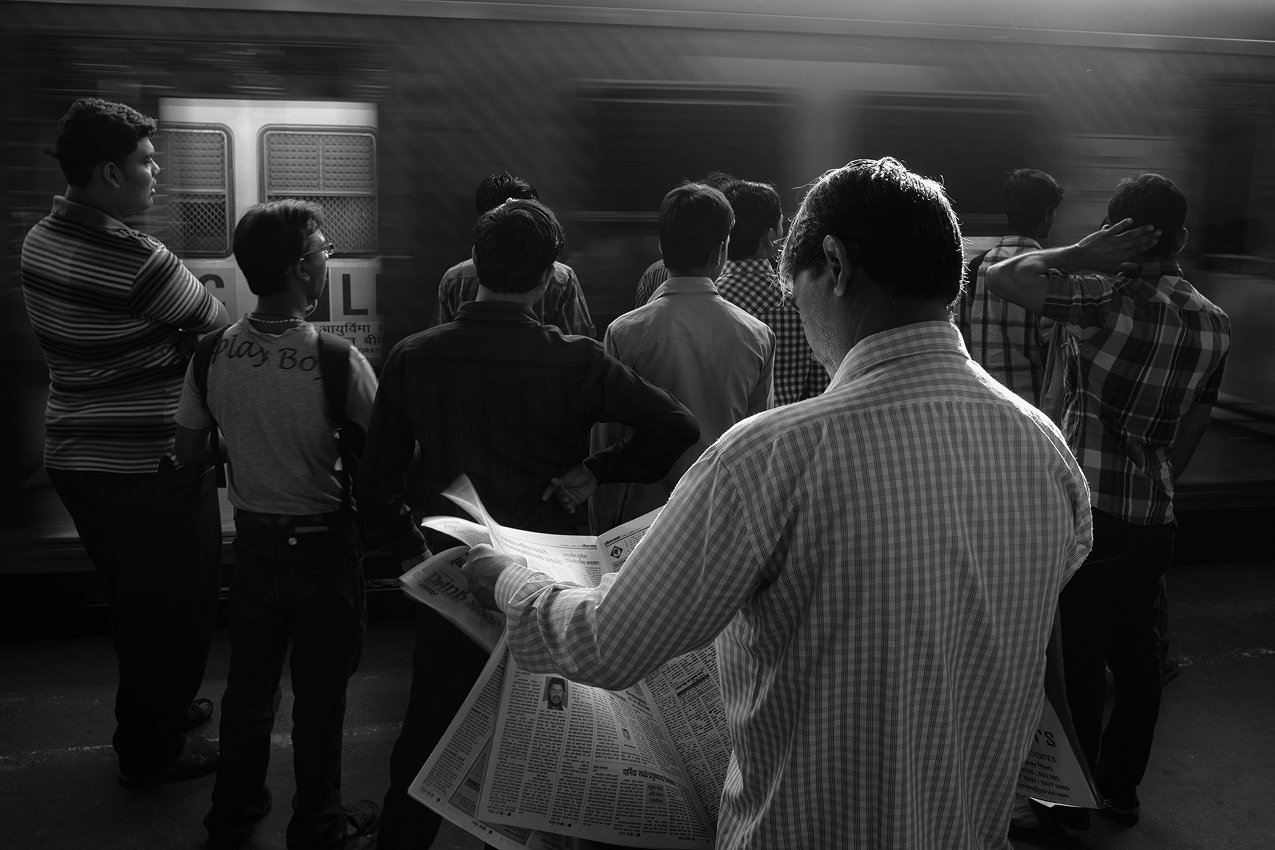
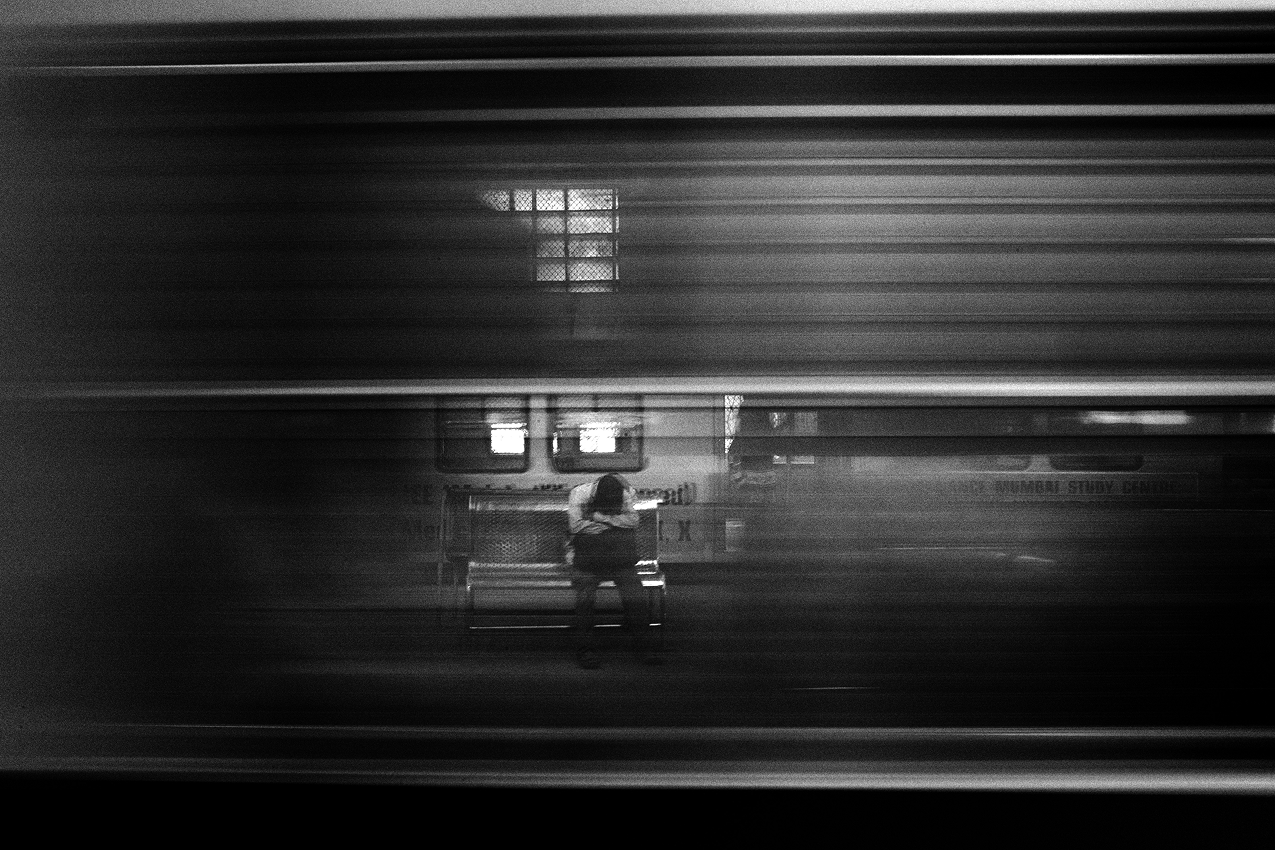
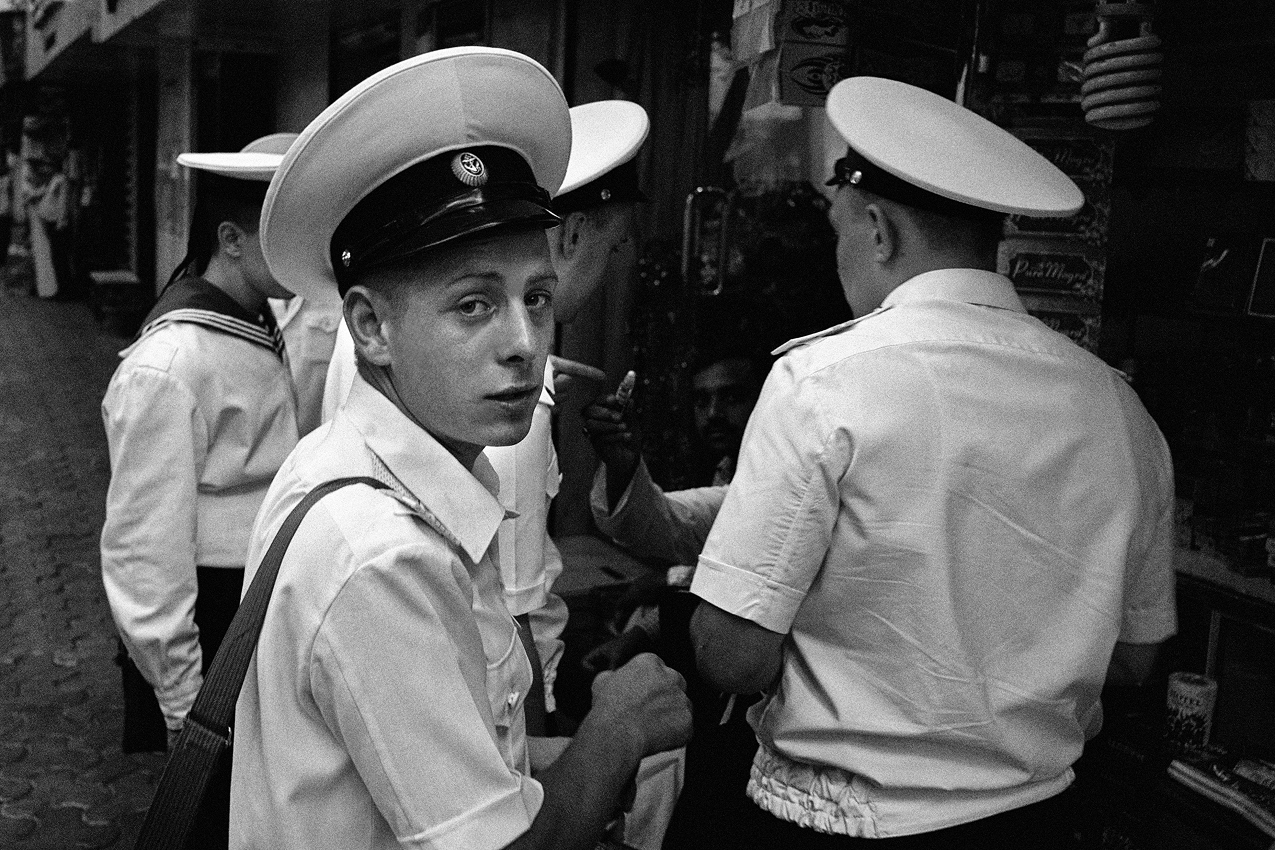
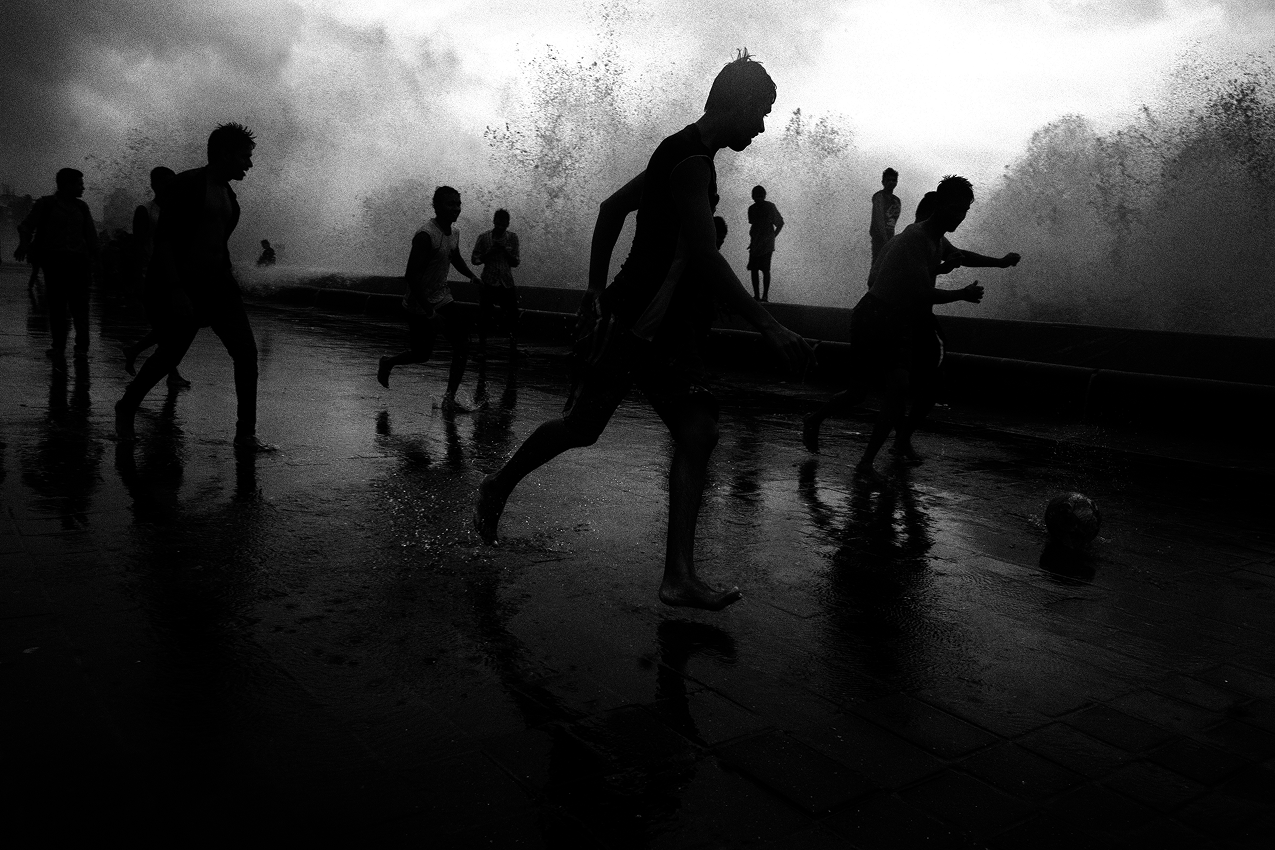
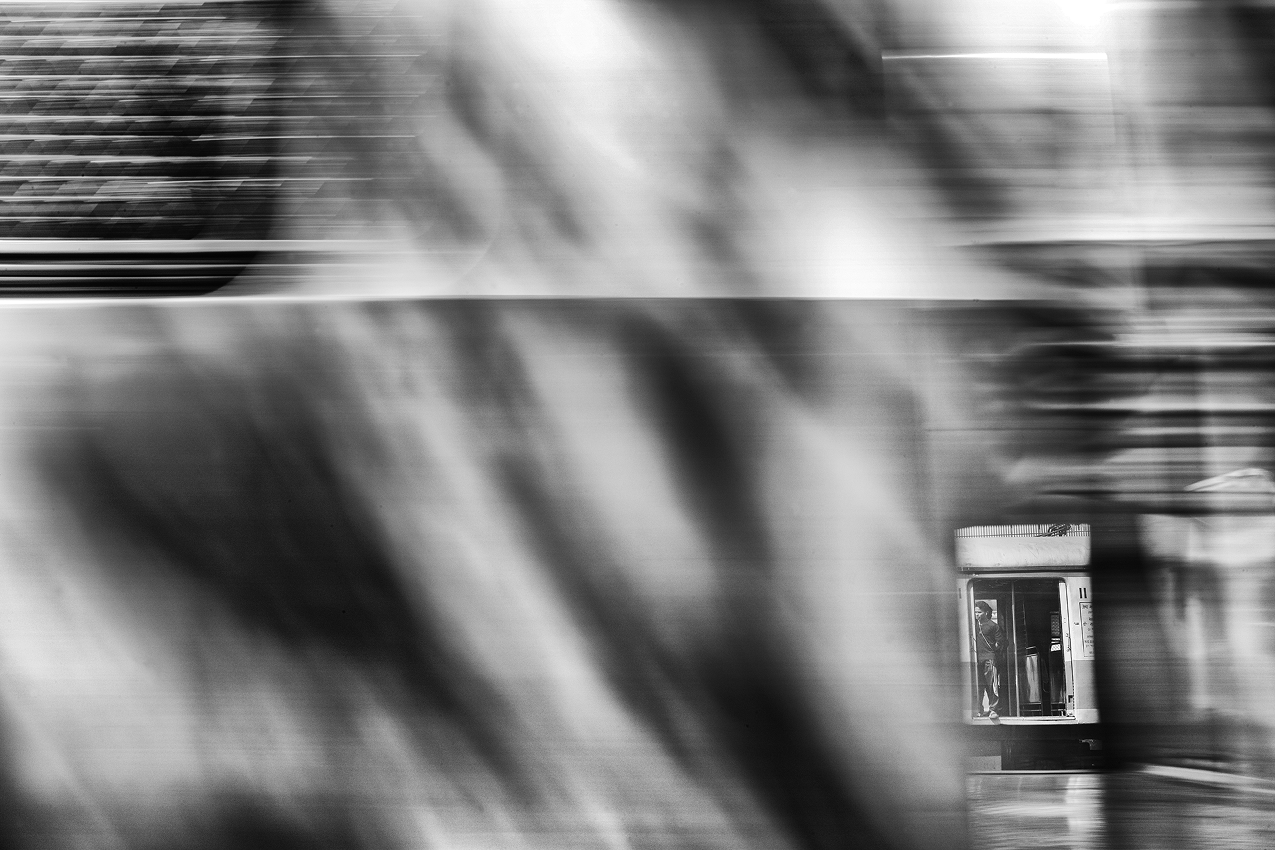
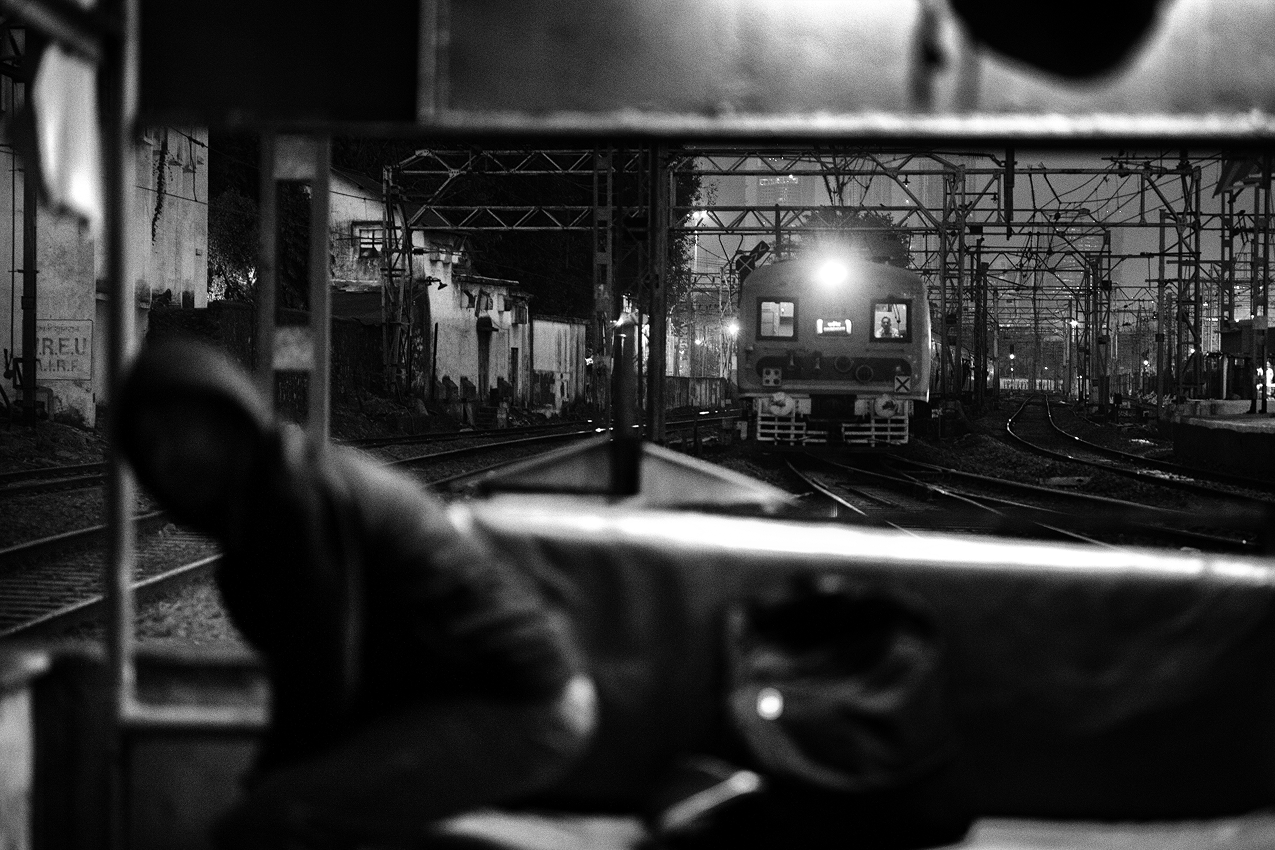
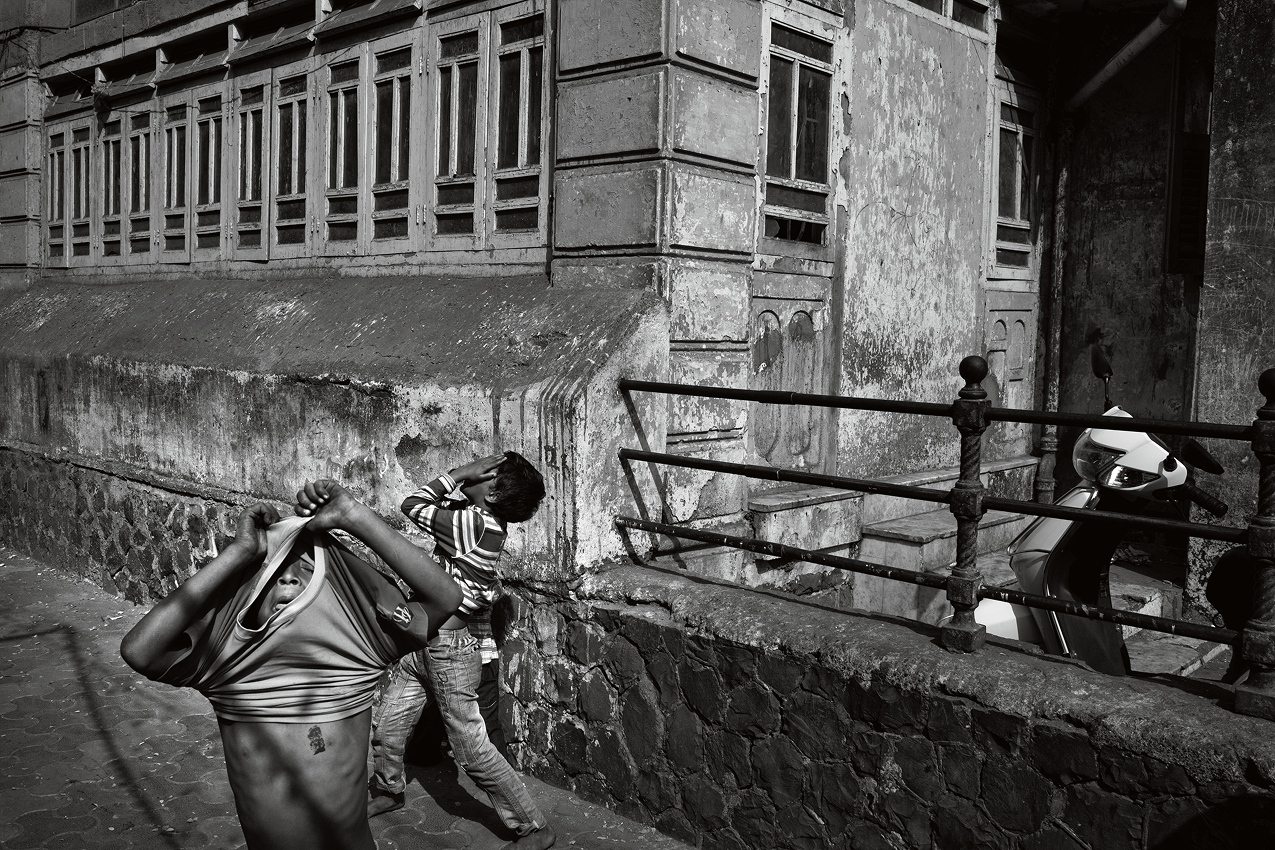
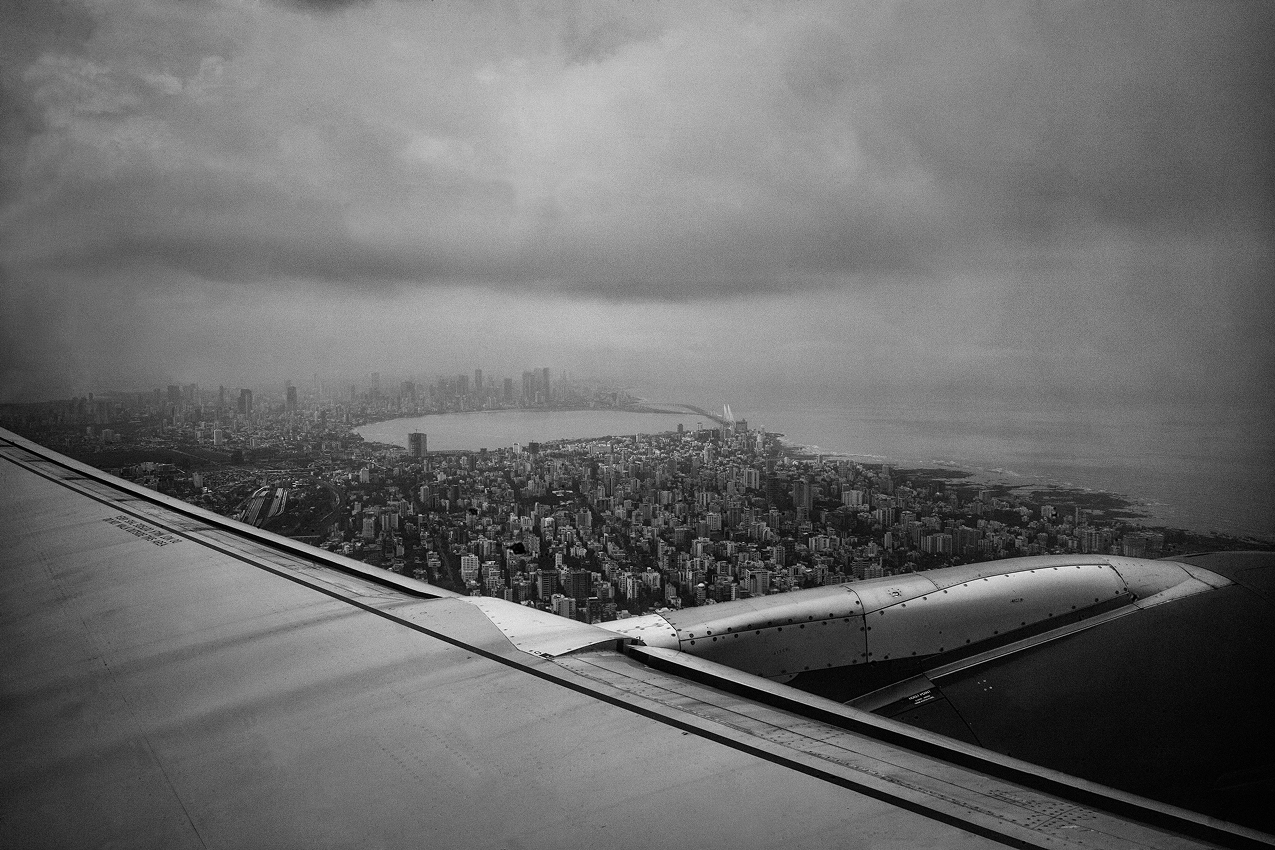
“Over a ten year period from 2010-2020, I captured life on the streets of a city that I never believed would evolve and change as much as it has.”
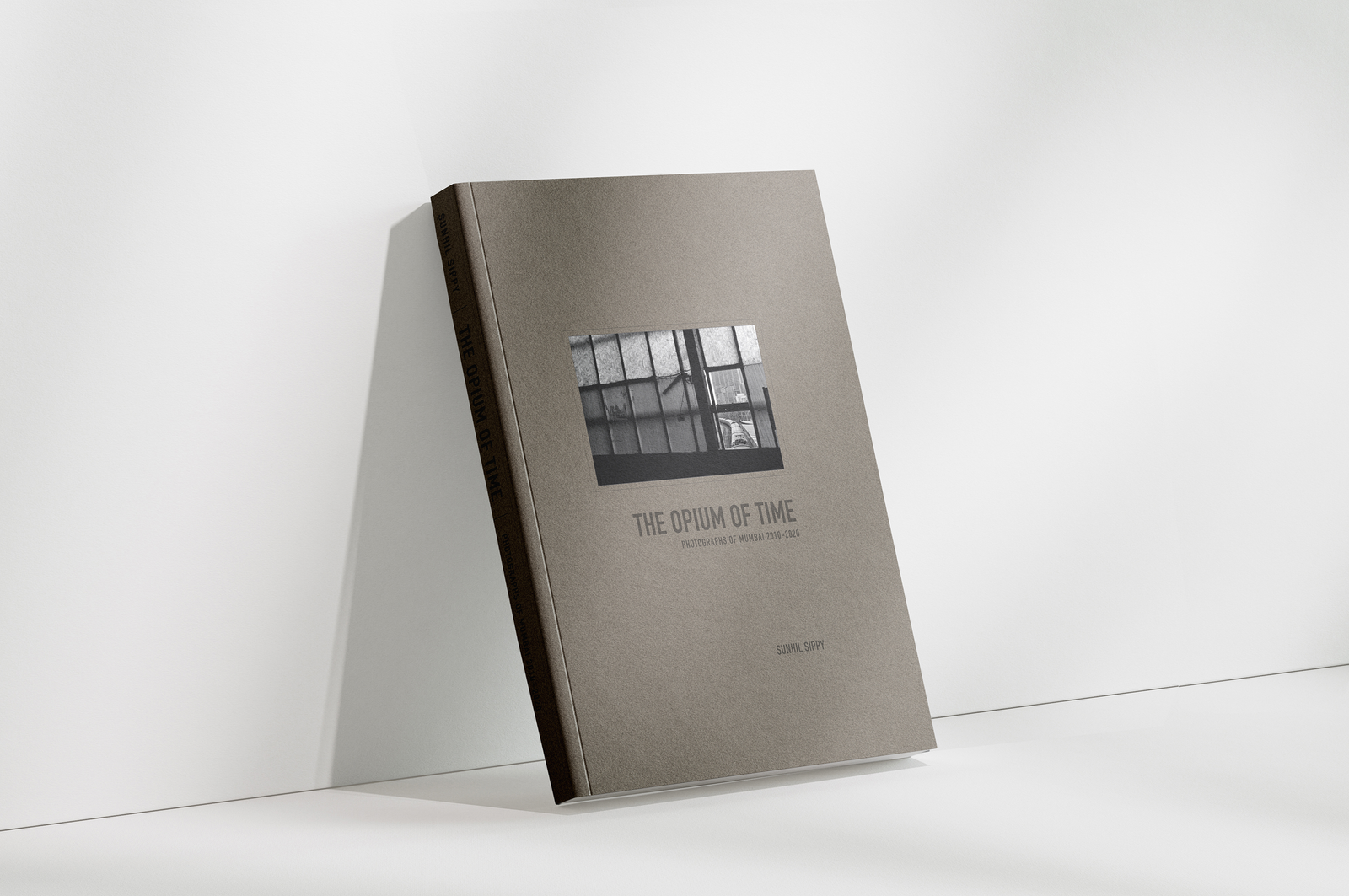
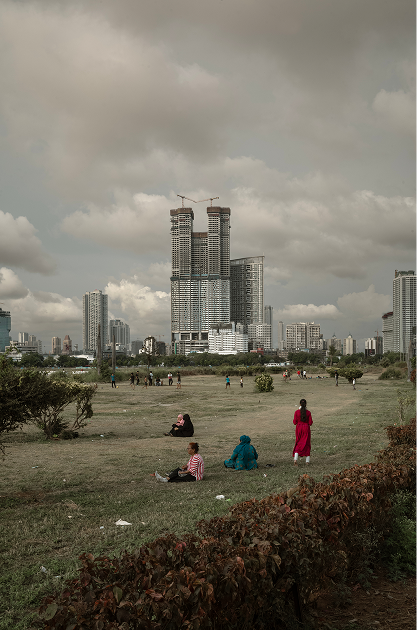
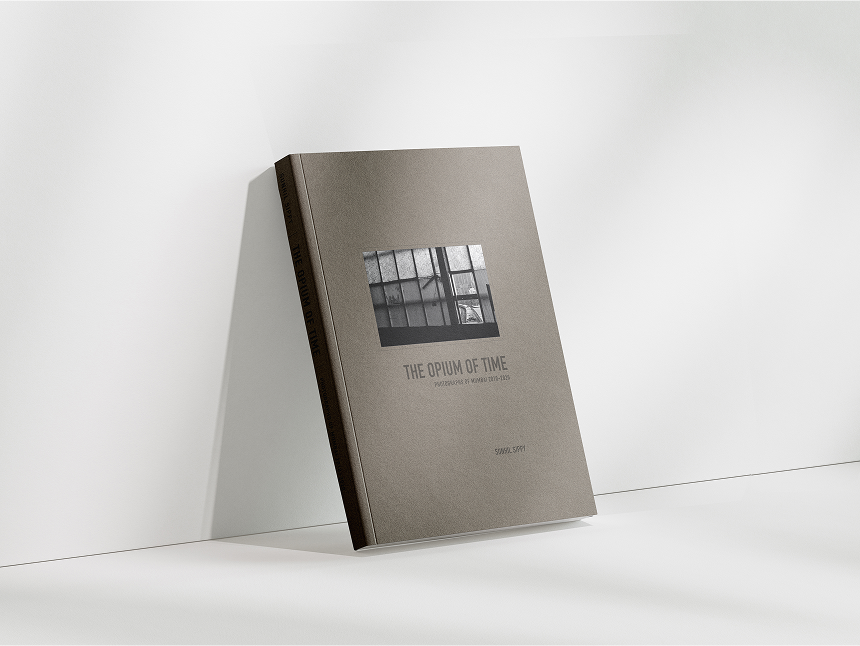
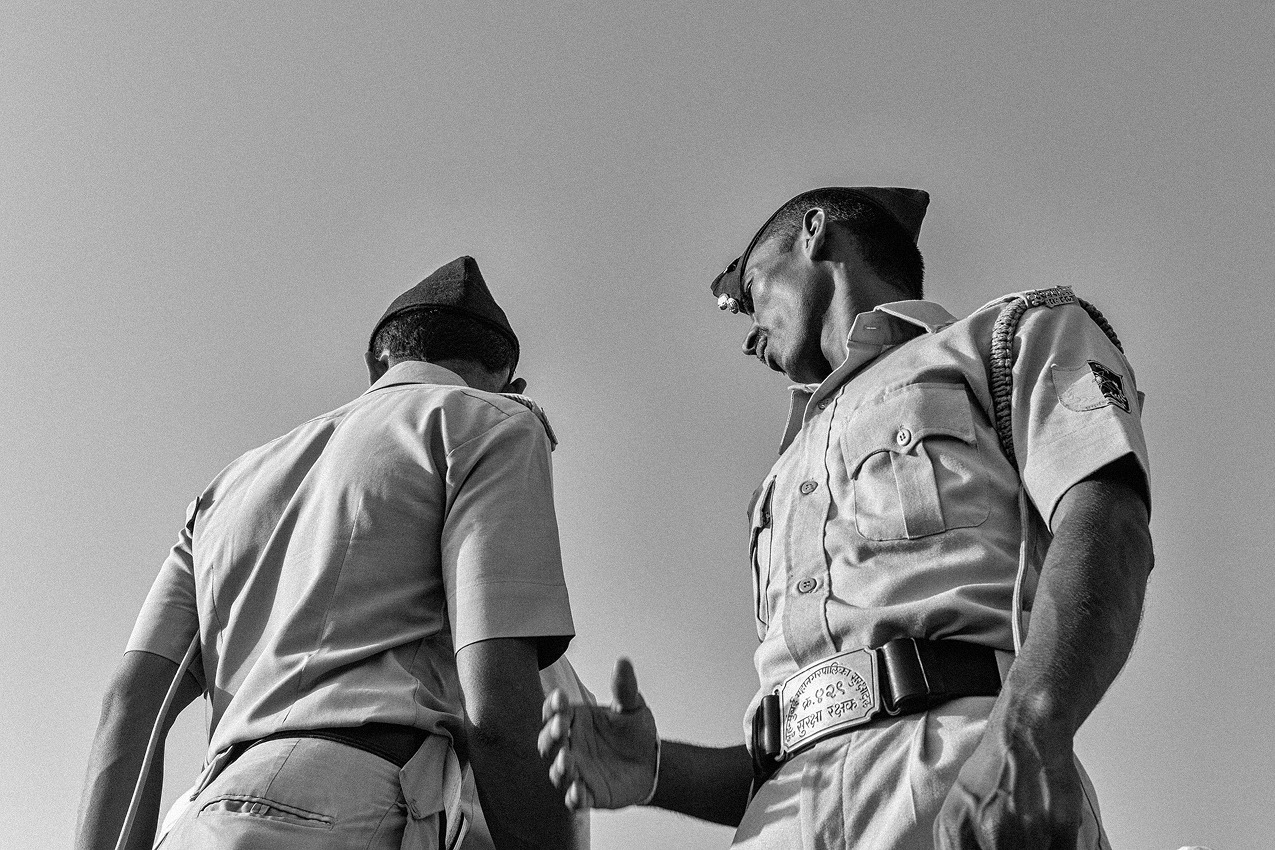
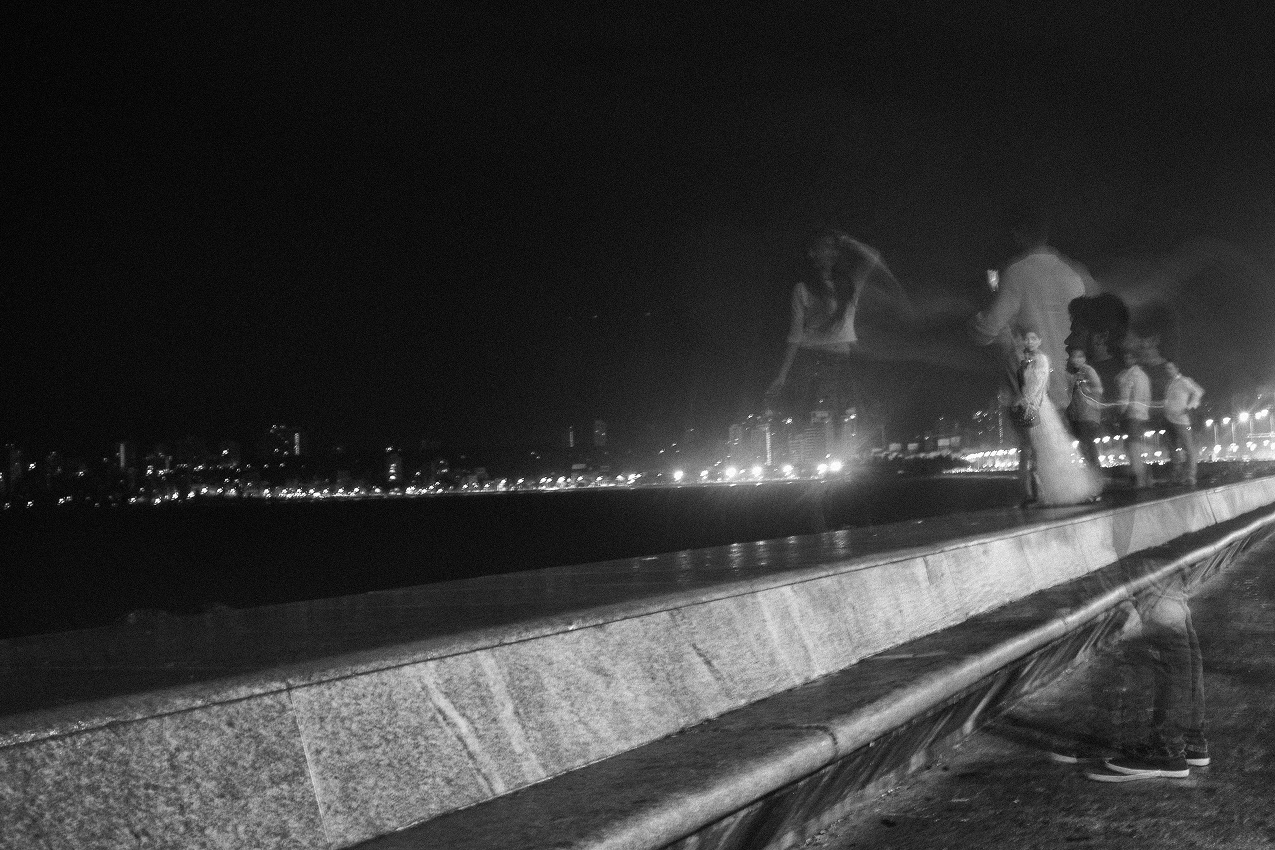
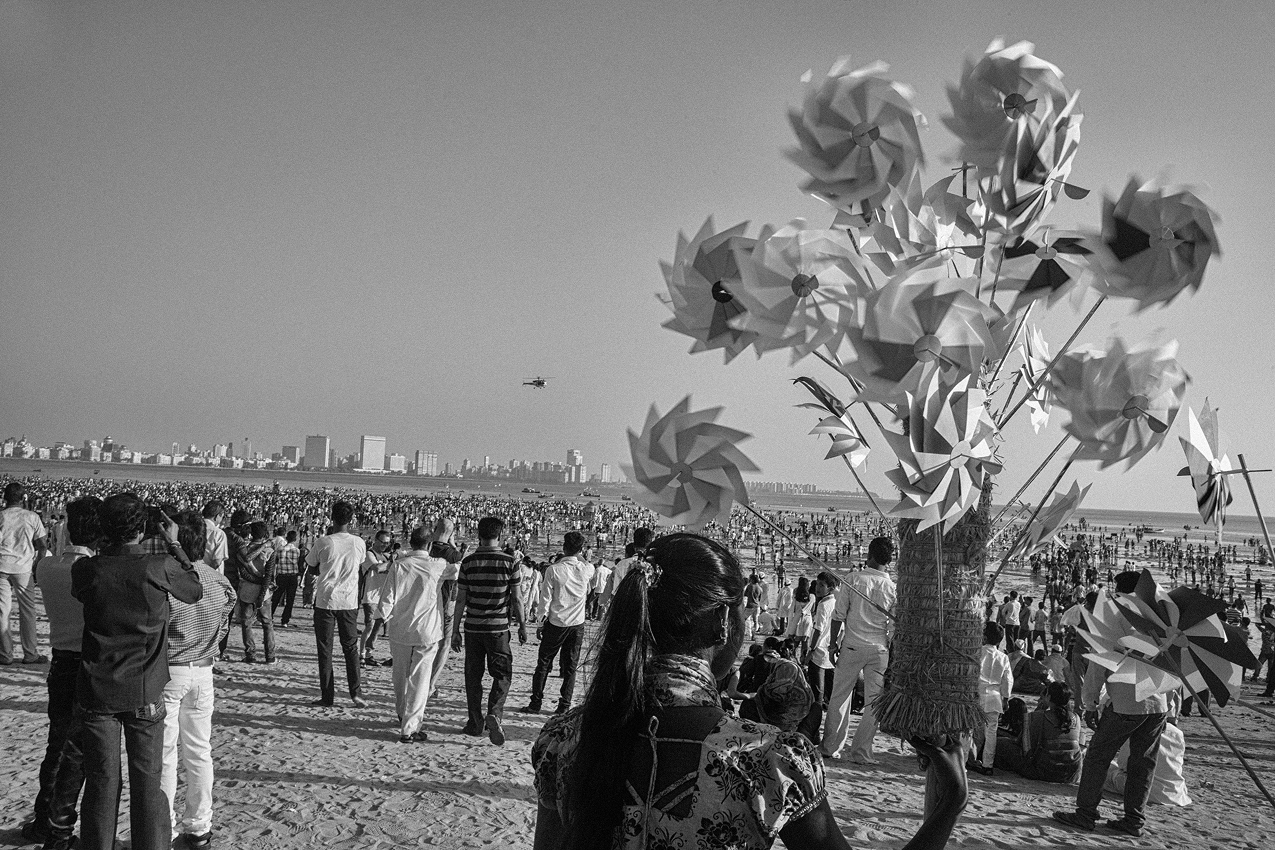
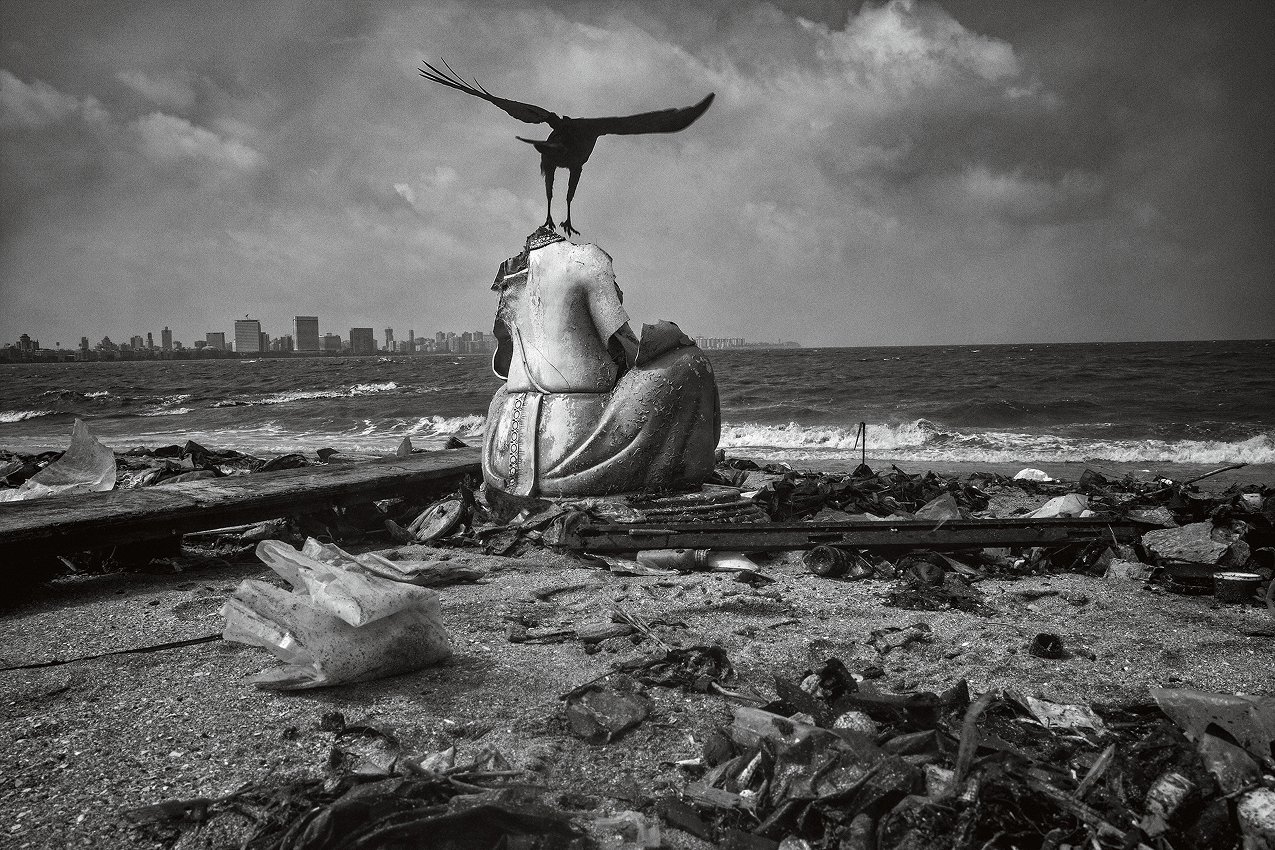
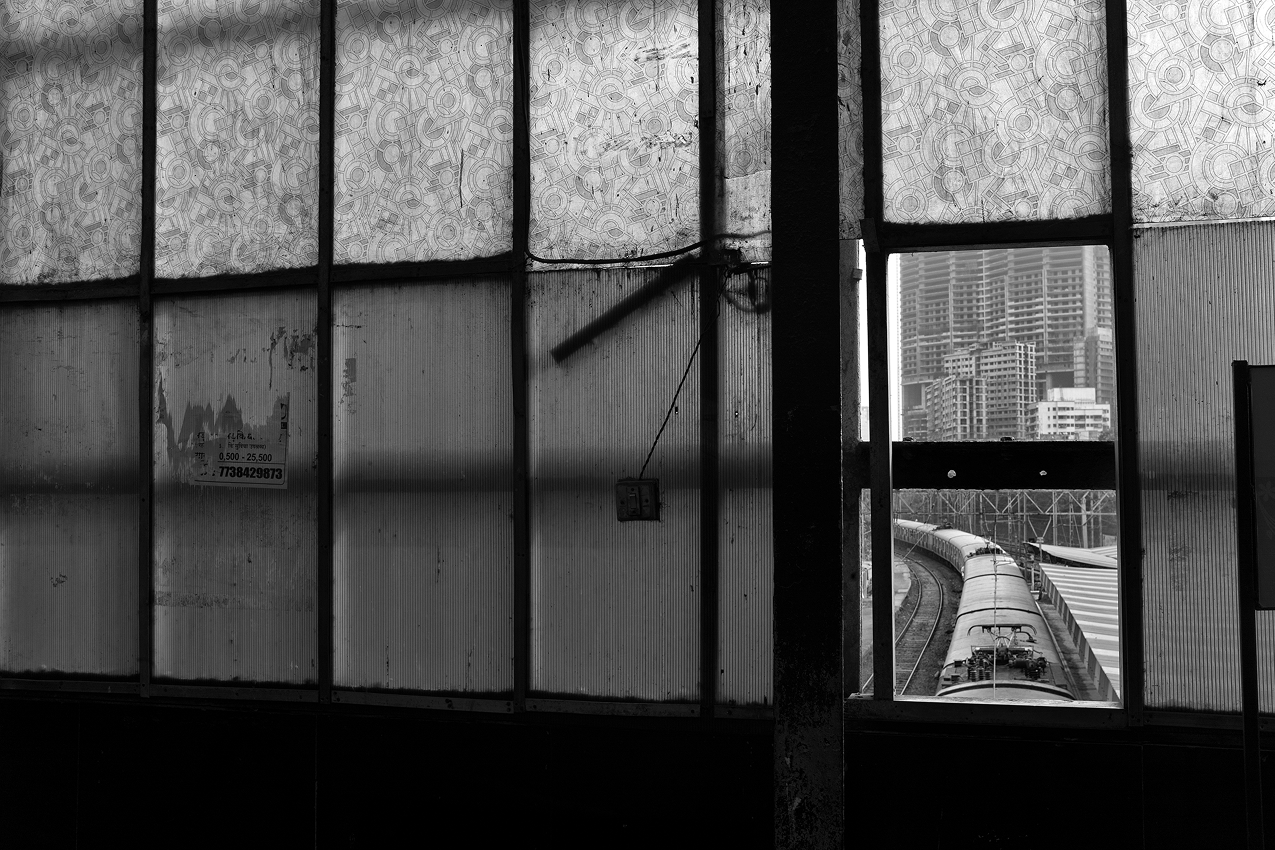
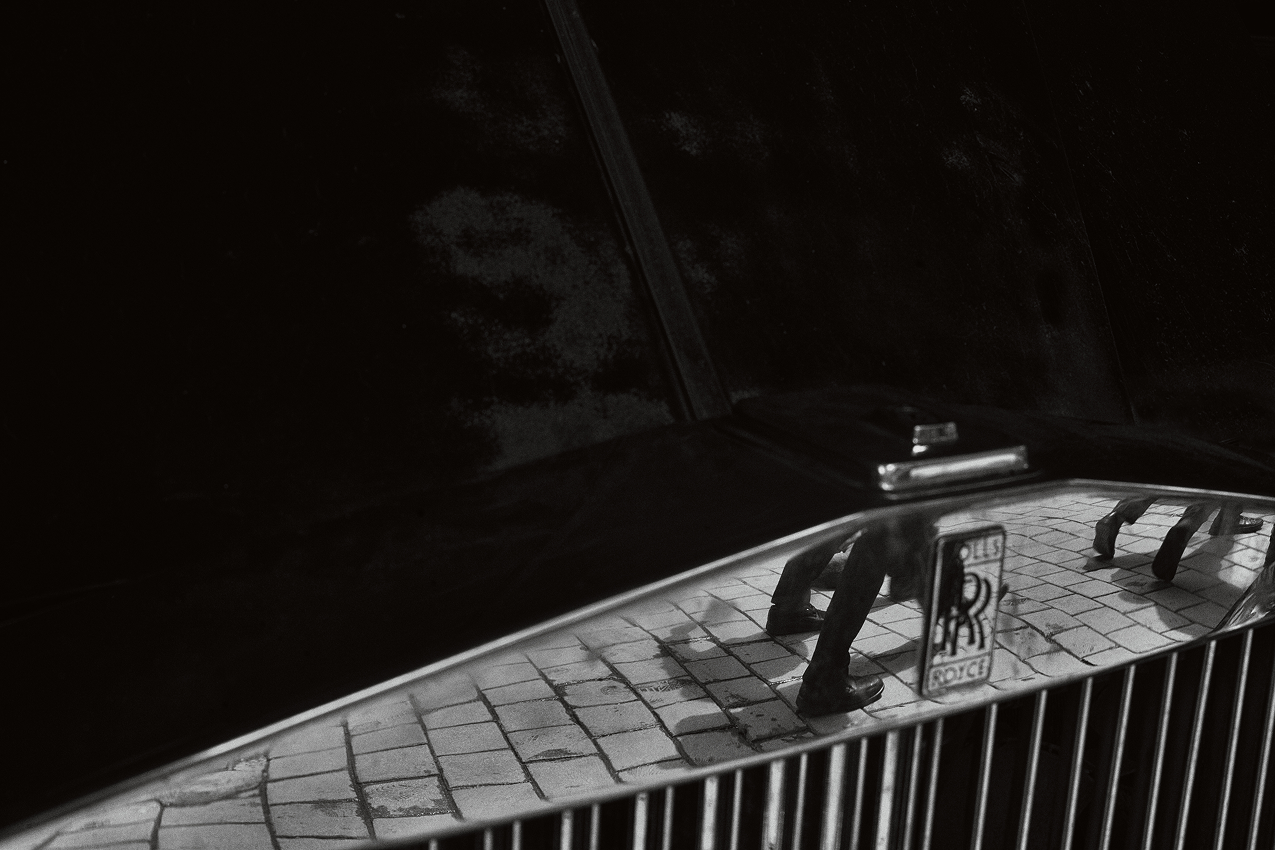
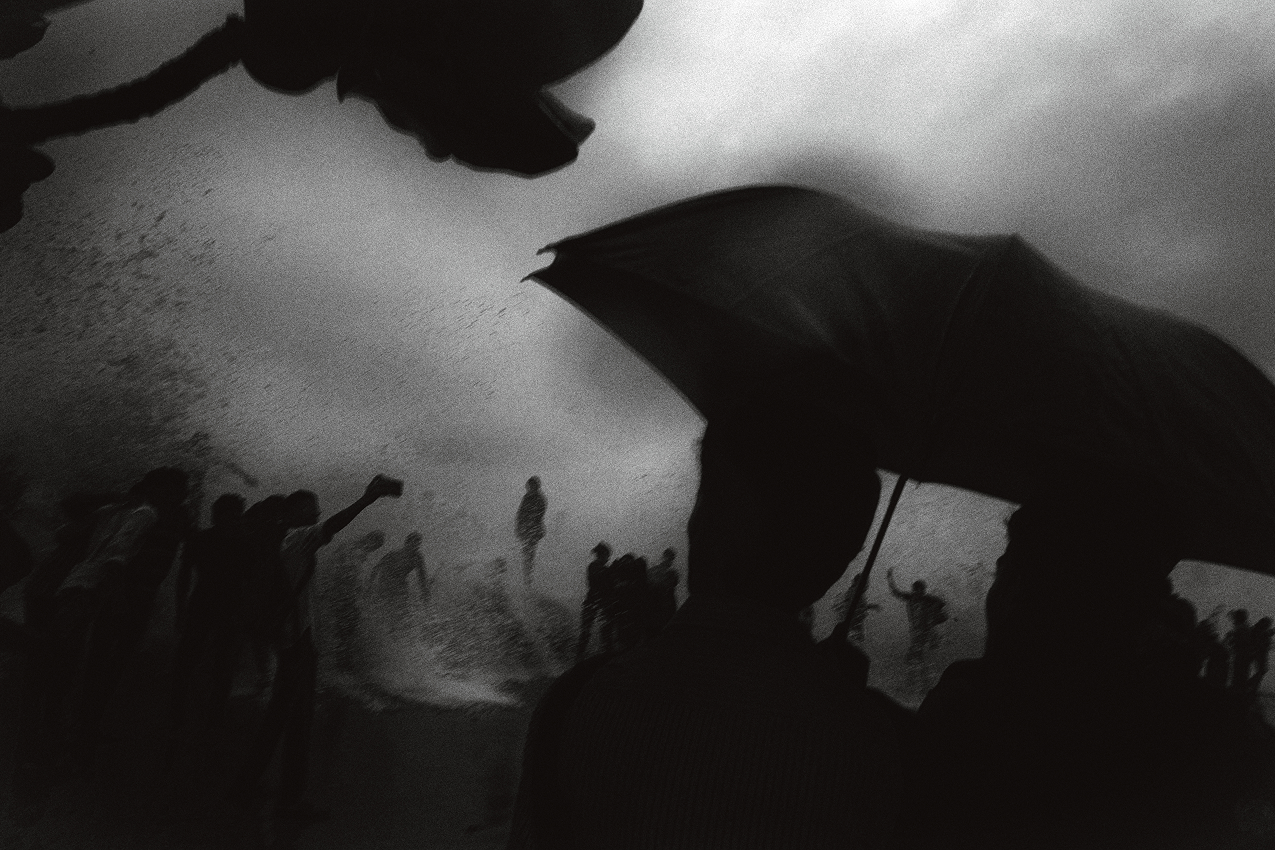
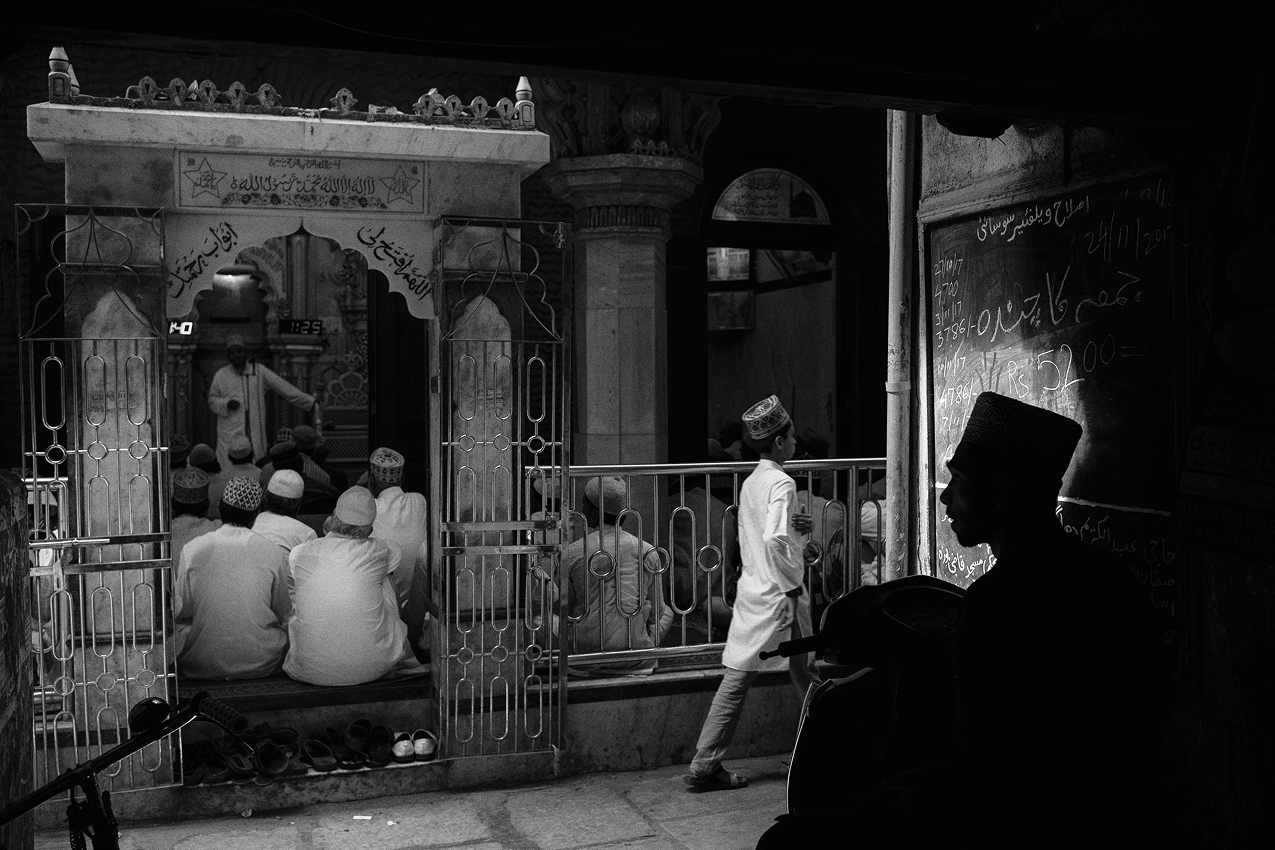
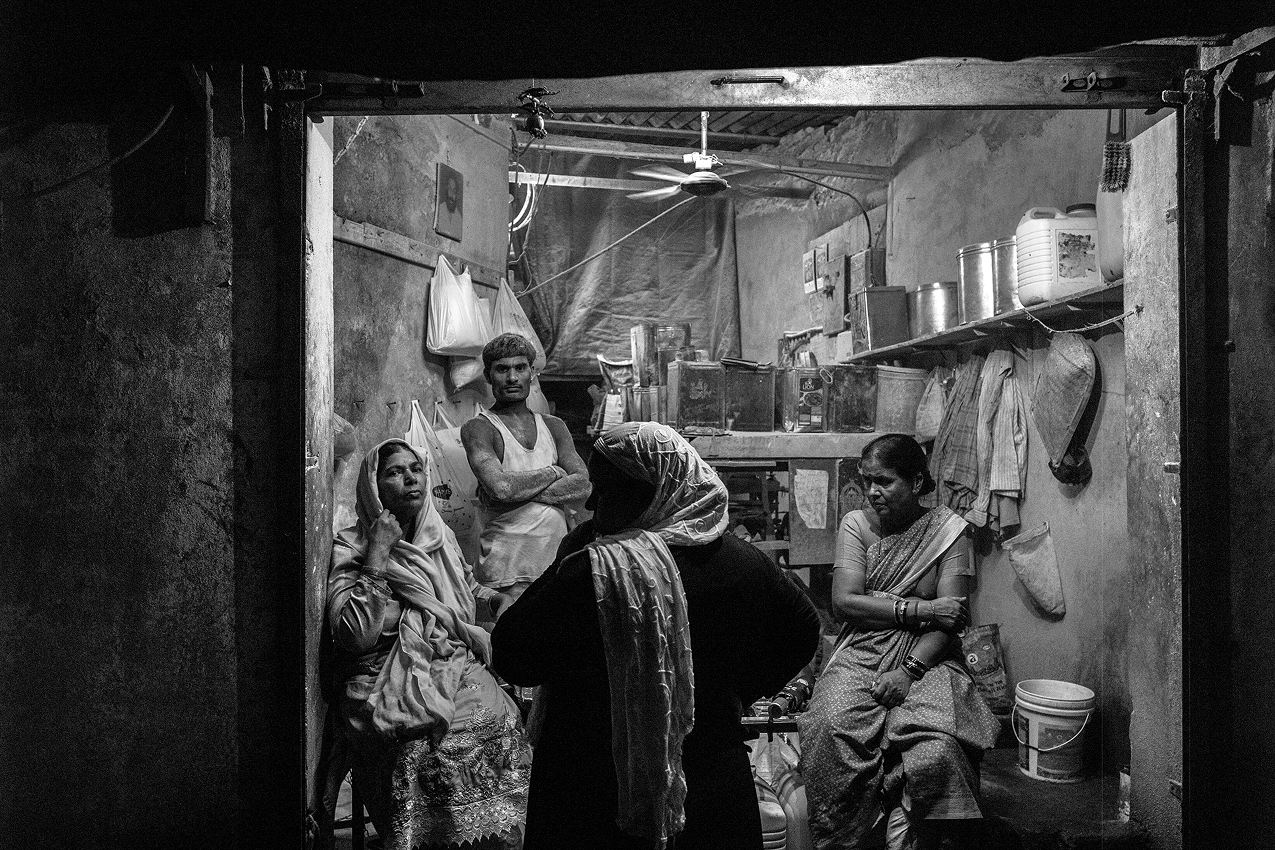
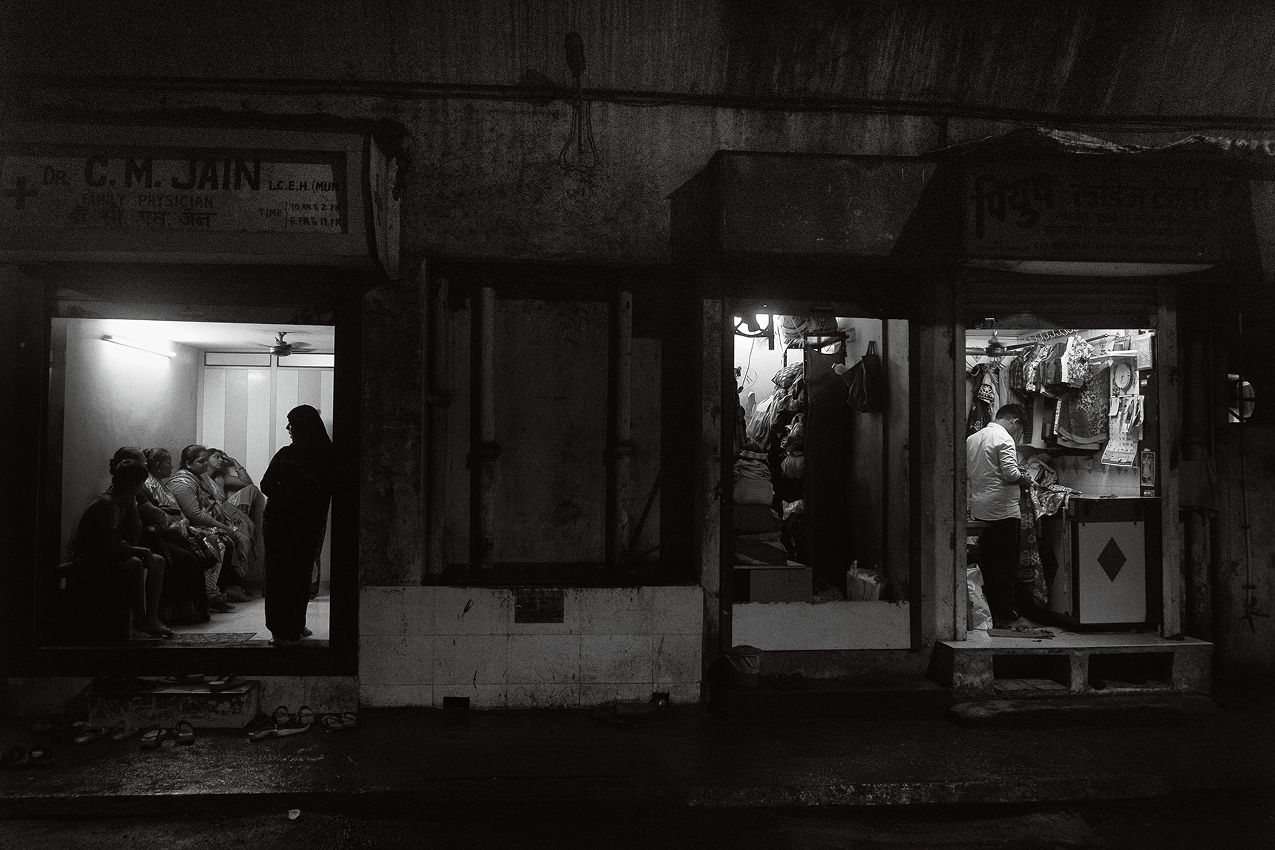
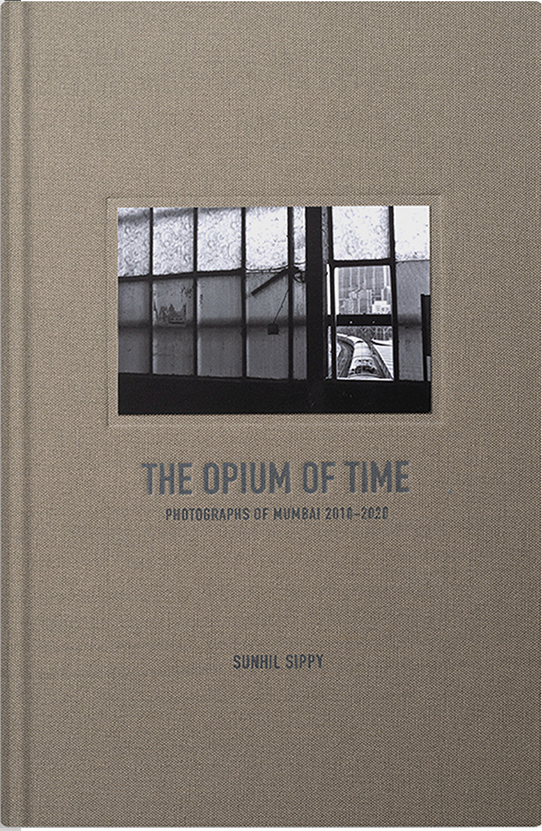
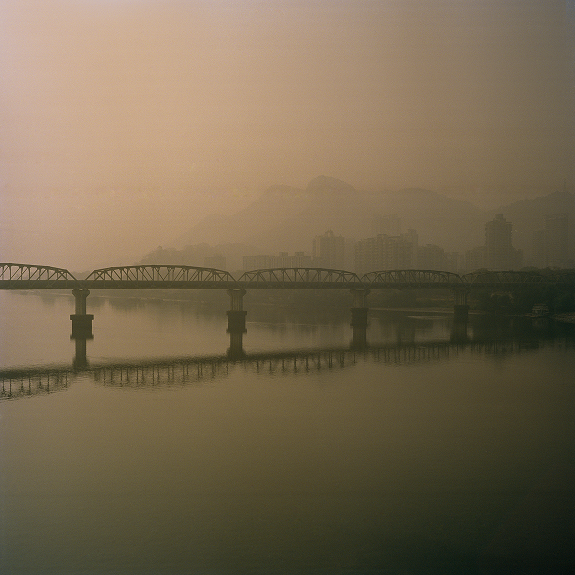
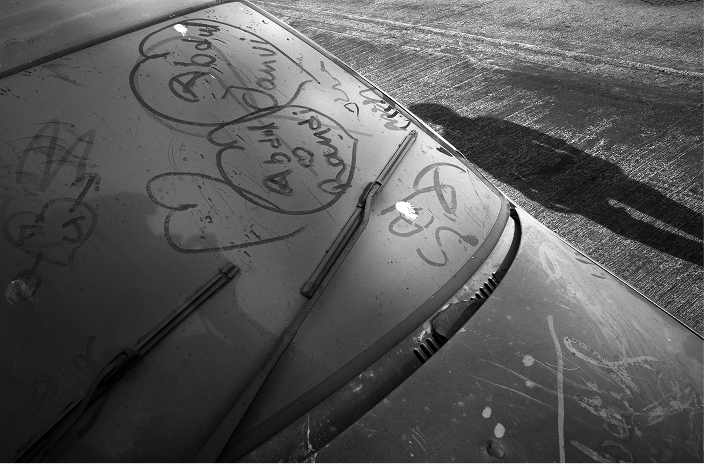
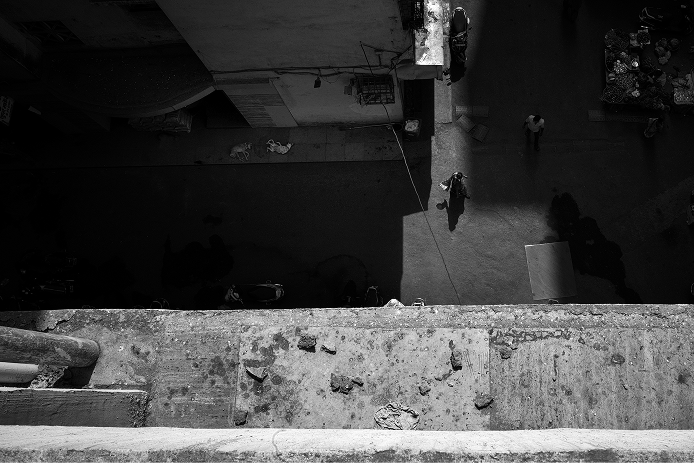
The Opium of Time, a 224 page hardcover book published by Pictor, available for purchase through this site, is a romantic celebration of a city whose spirit is camouflaged by a delicate and vulnerable veneer. The collection is a gritty, monochromatic exploration of the streets, tempered by meditative urban landscapes in colour. The book has a foreword by Zoya Akhtar and poetry by Ankur Tewari.

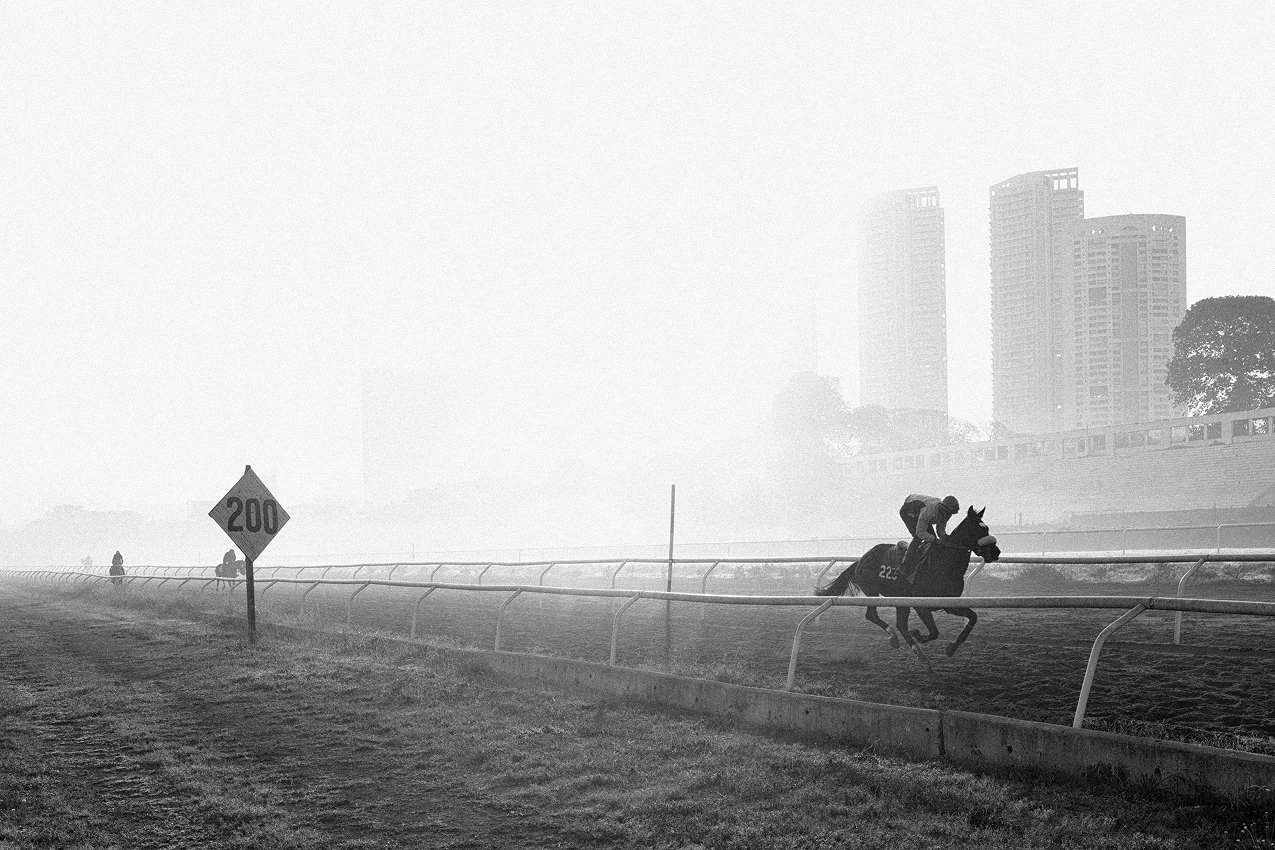
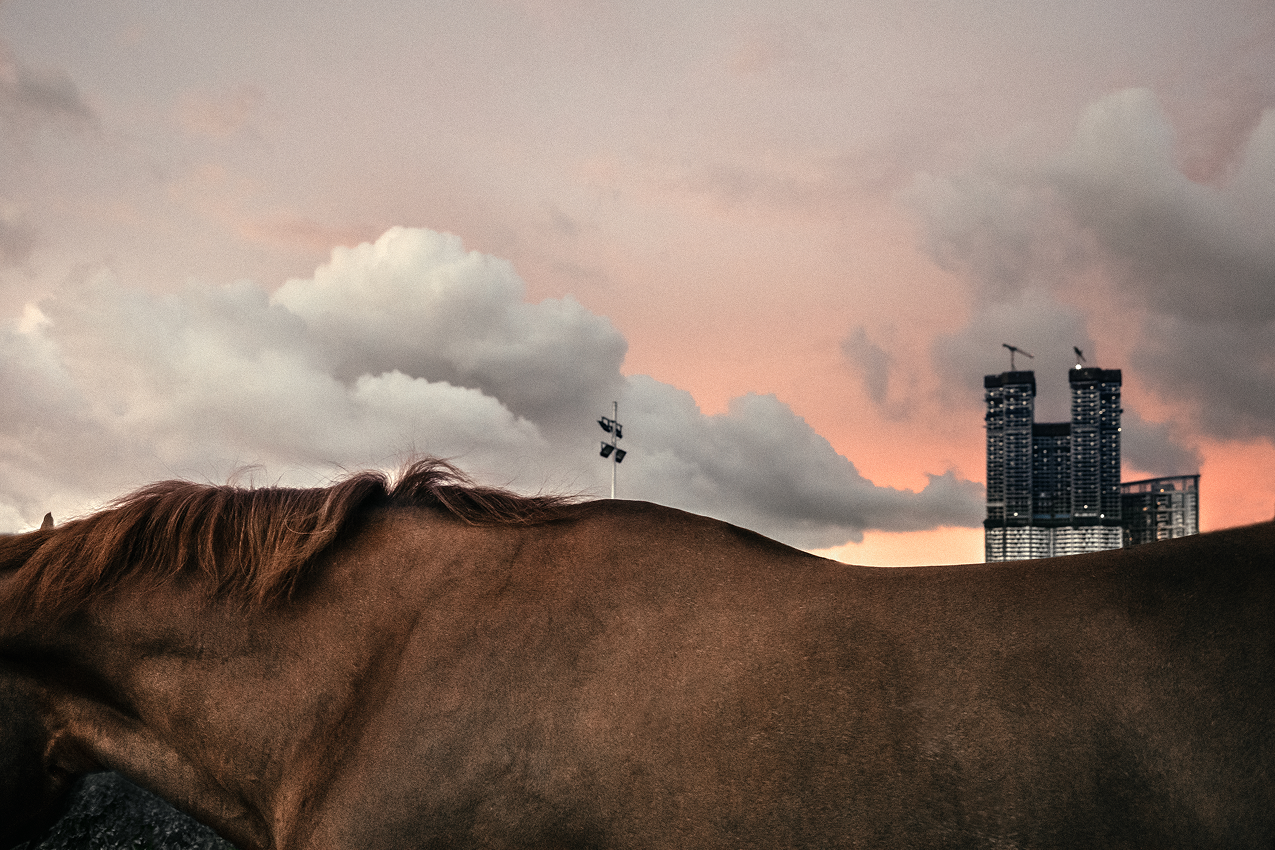
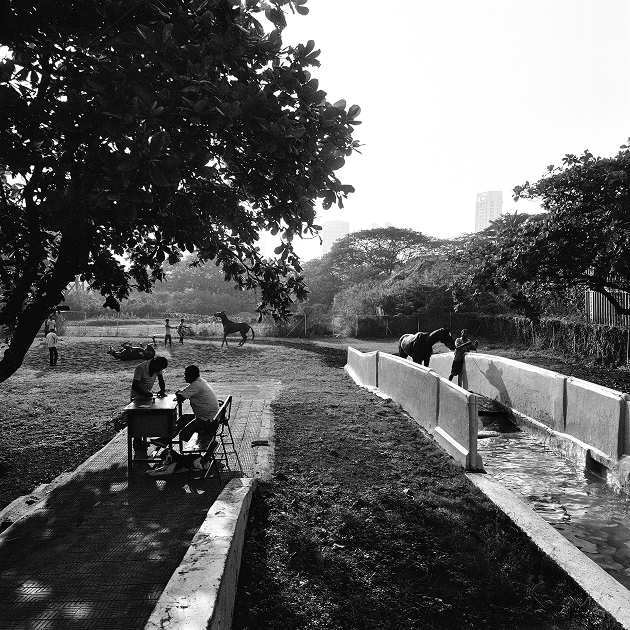
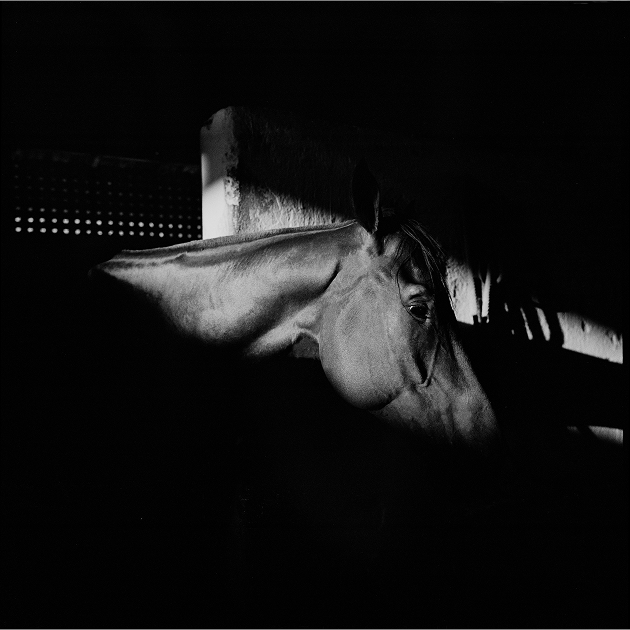
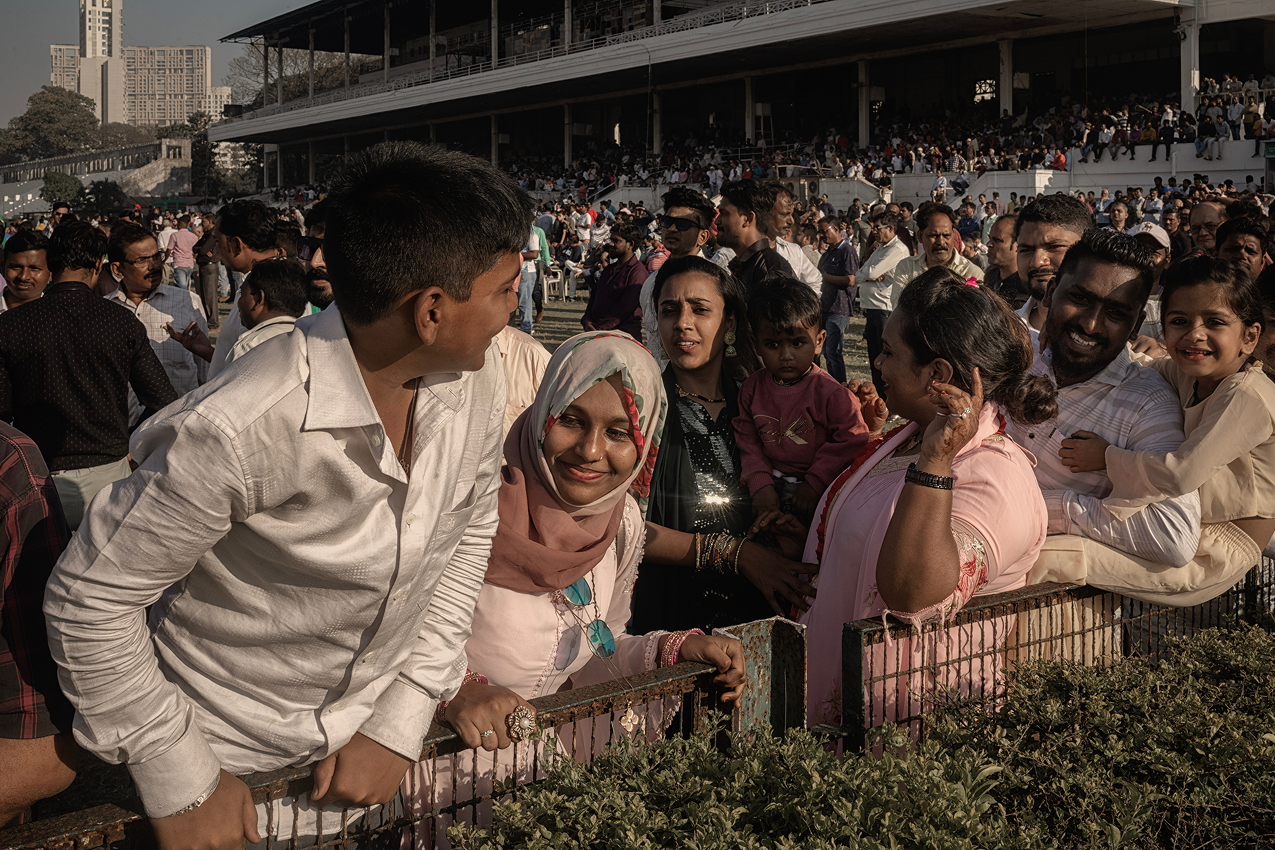
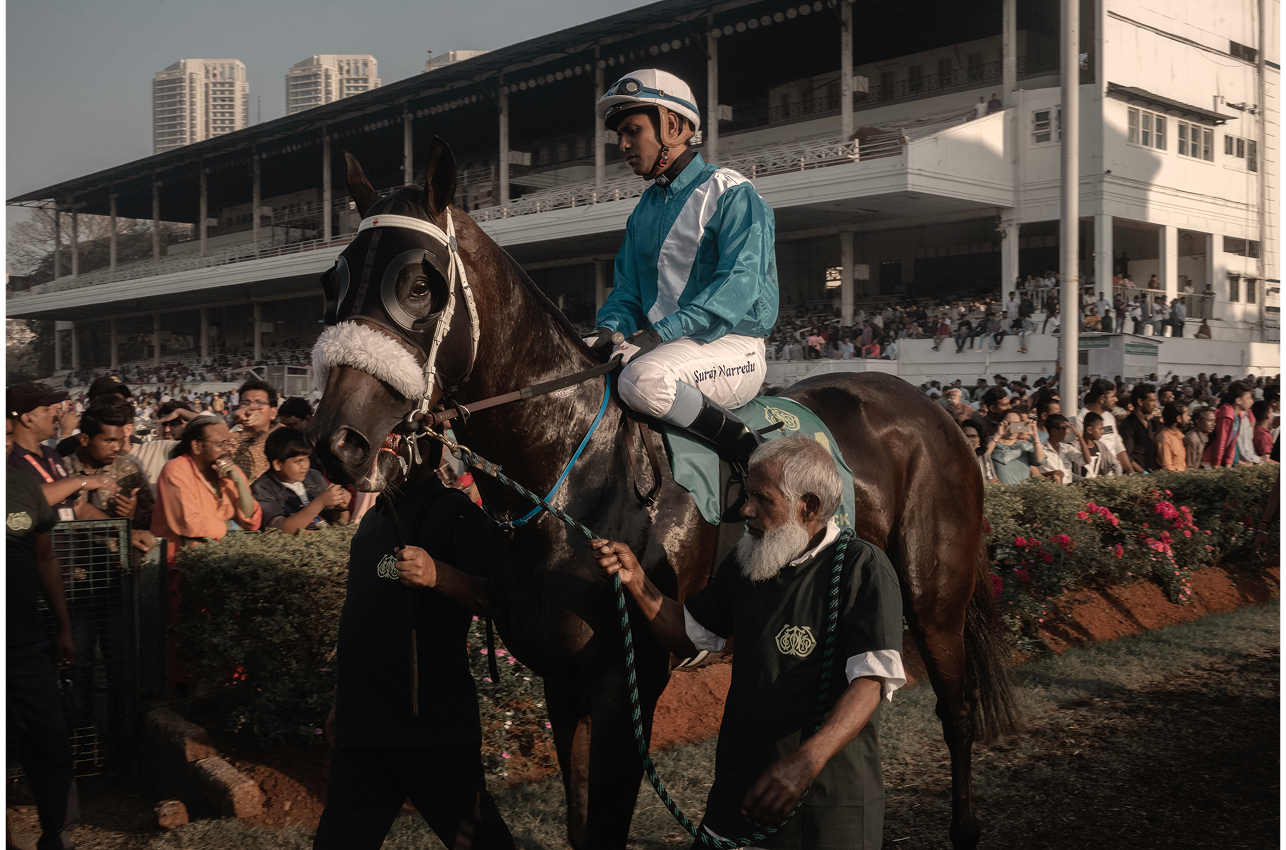
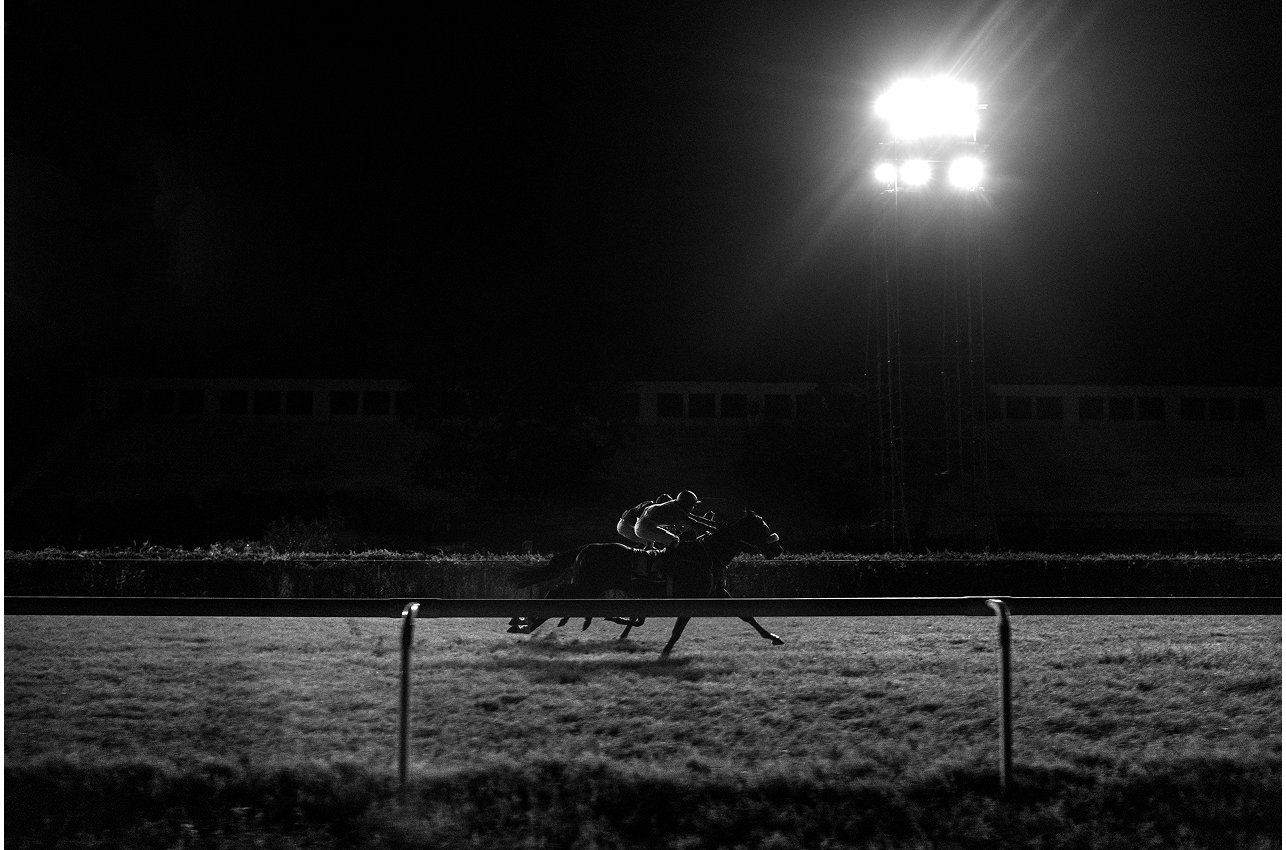
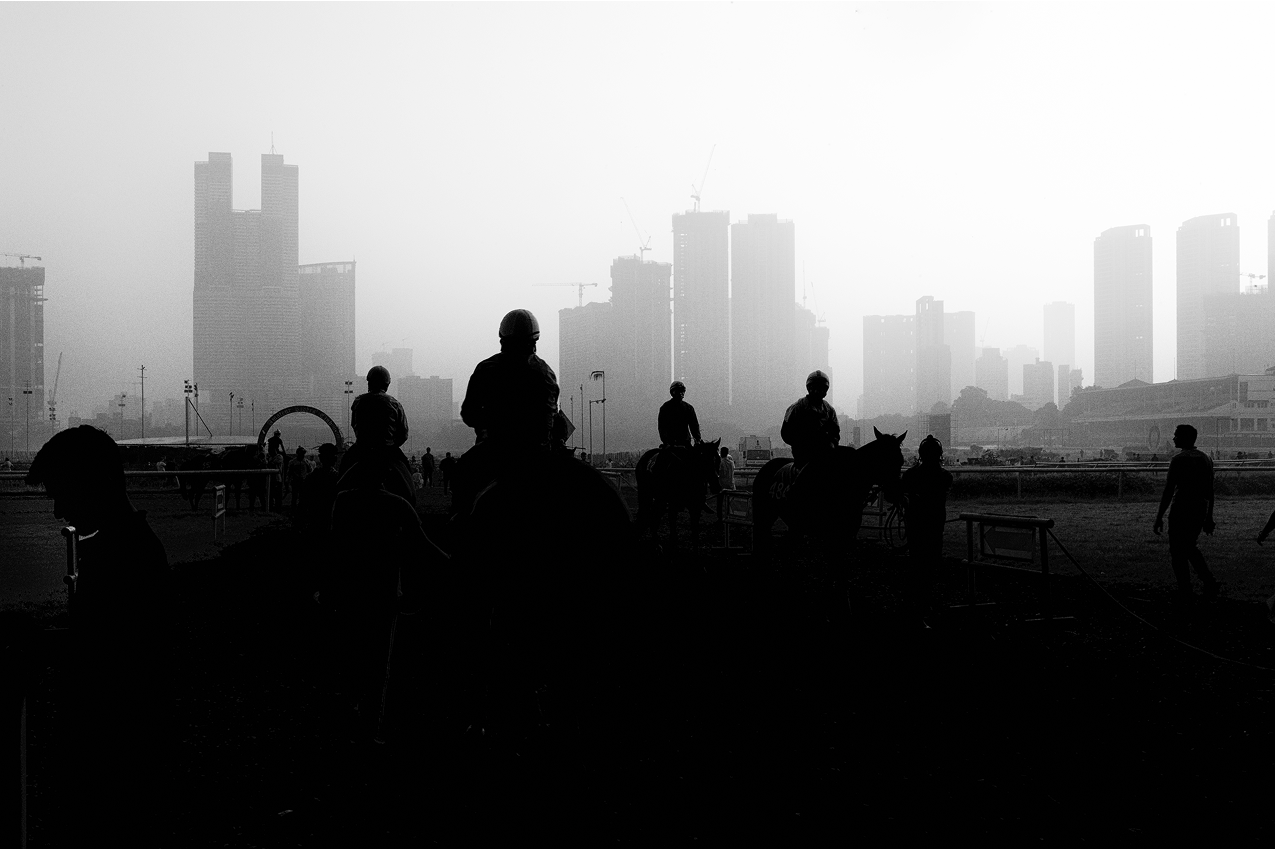
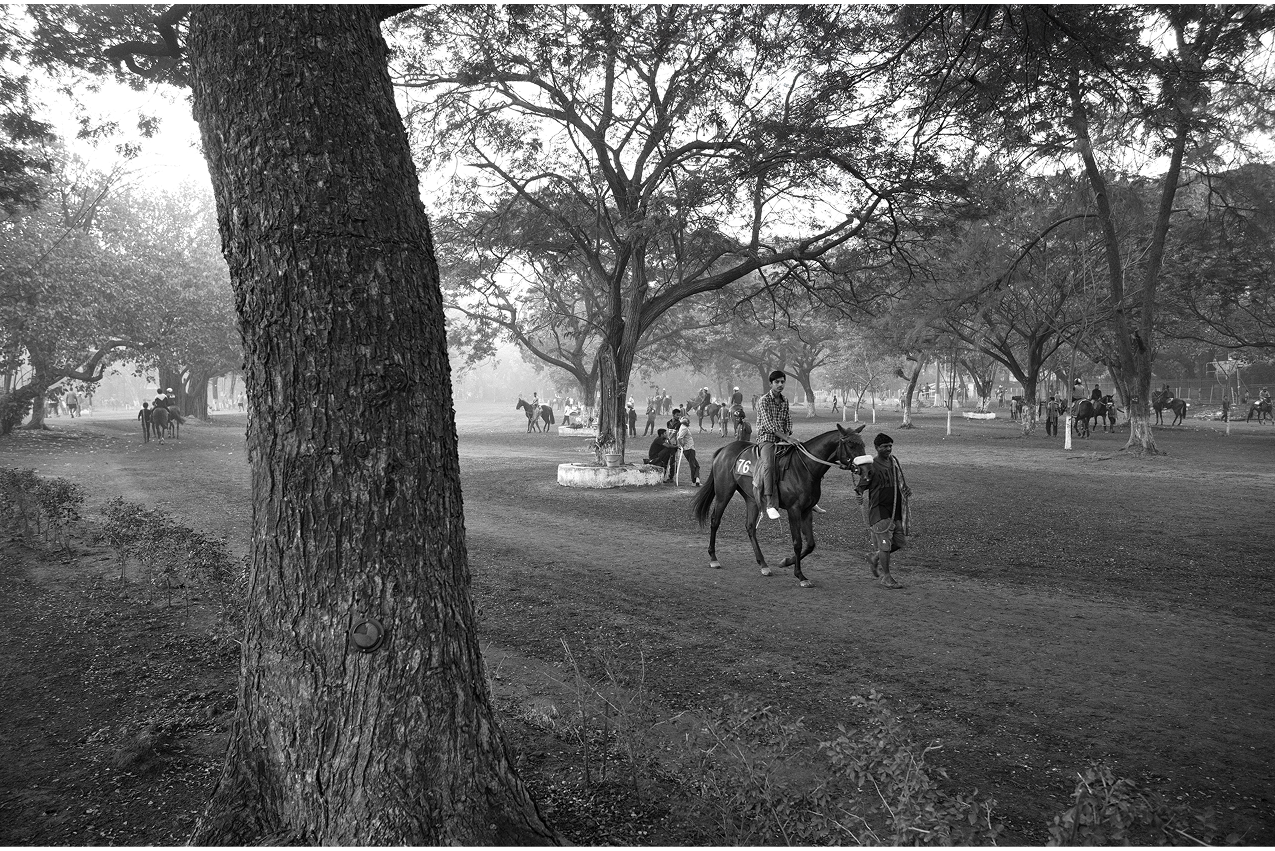
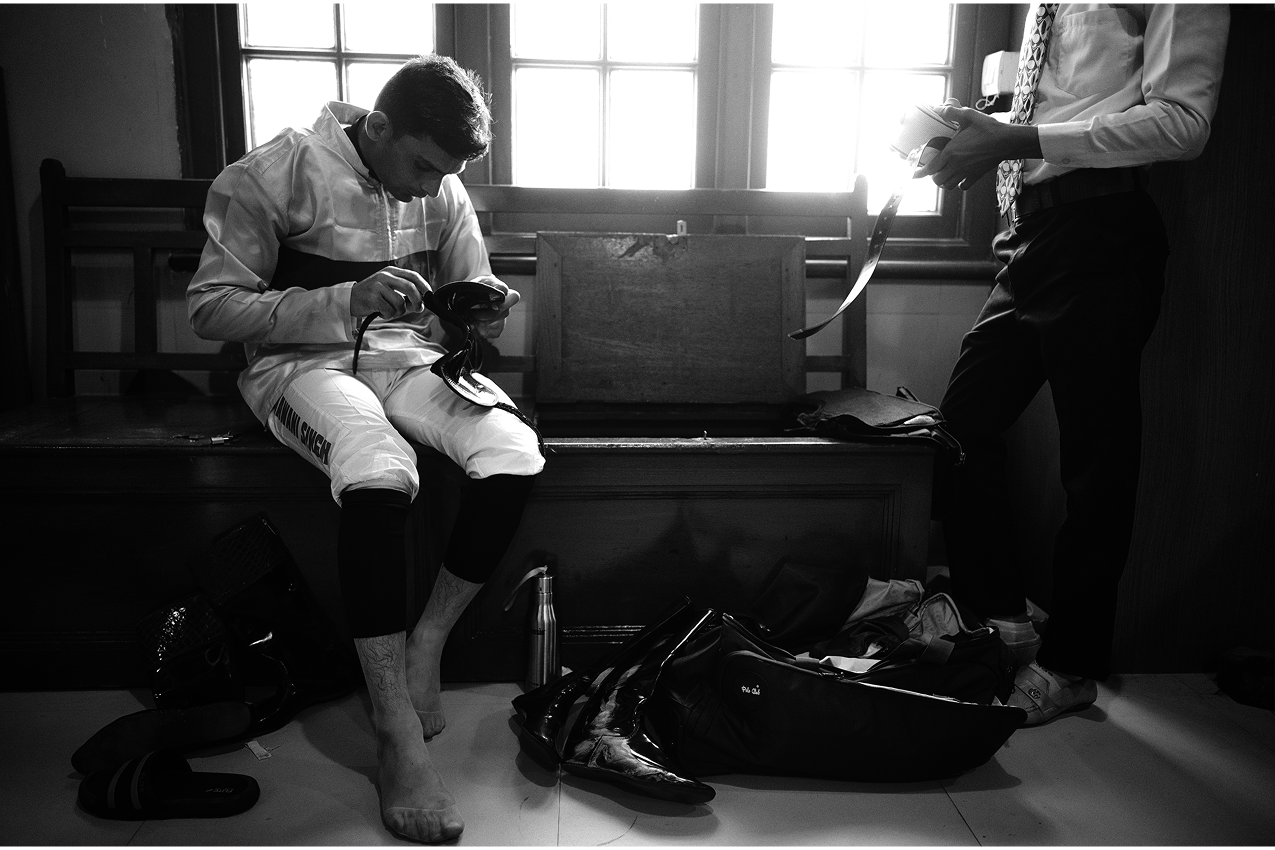
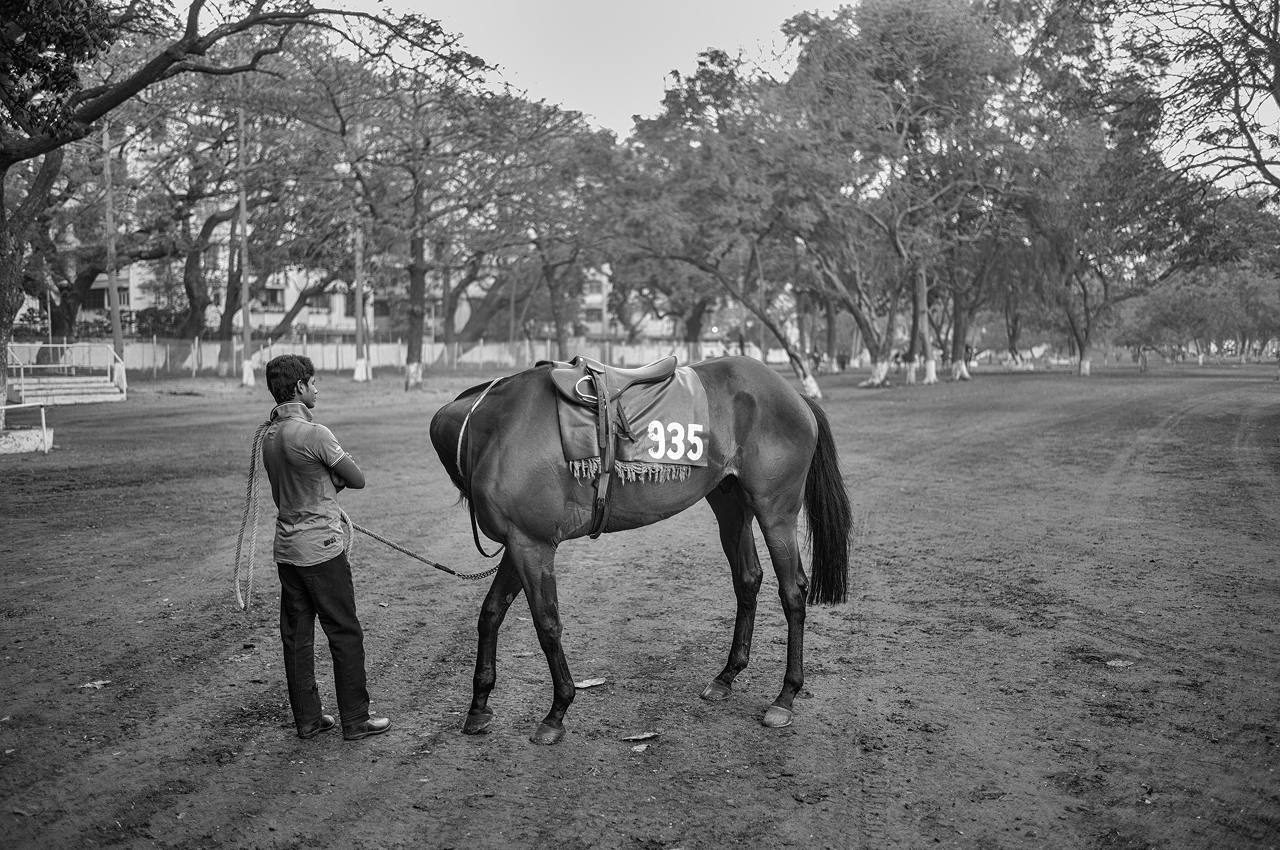
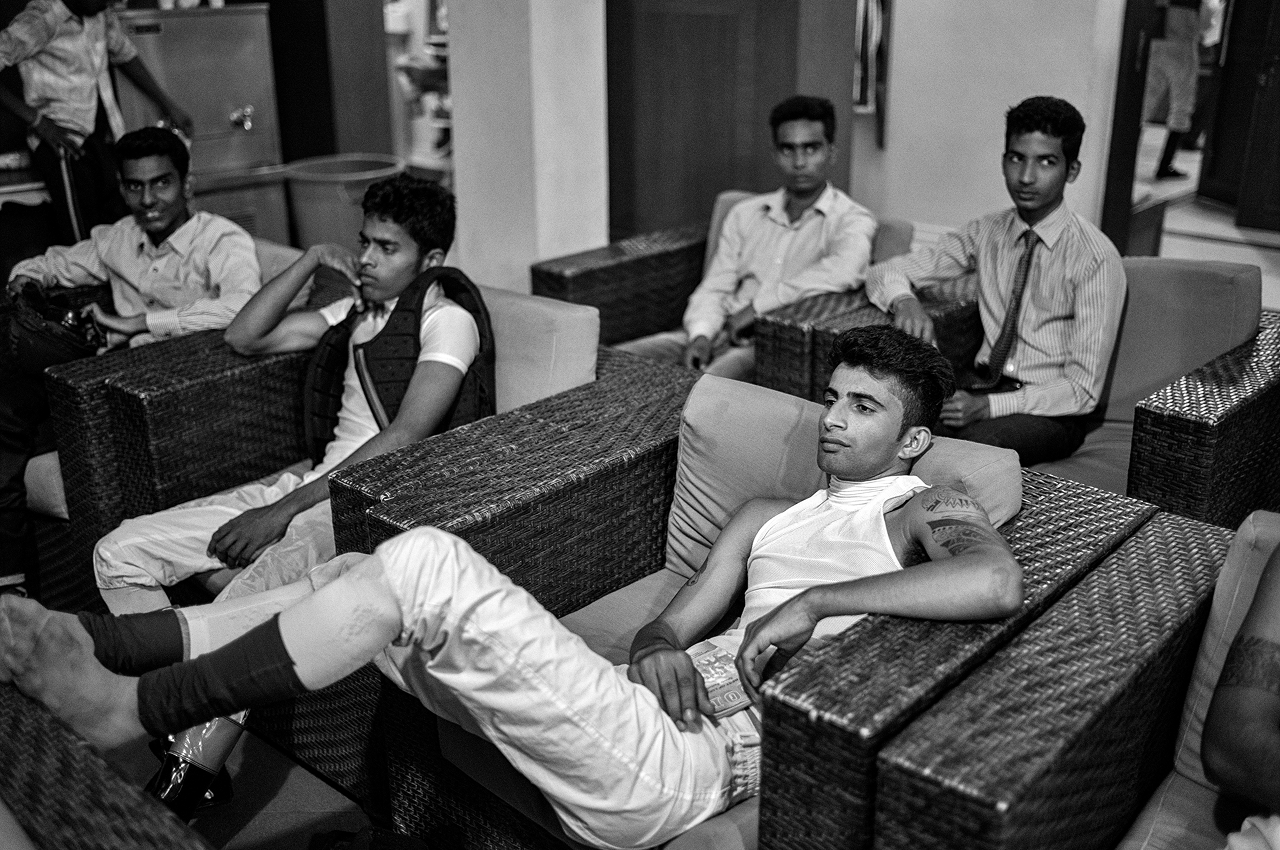
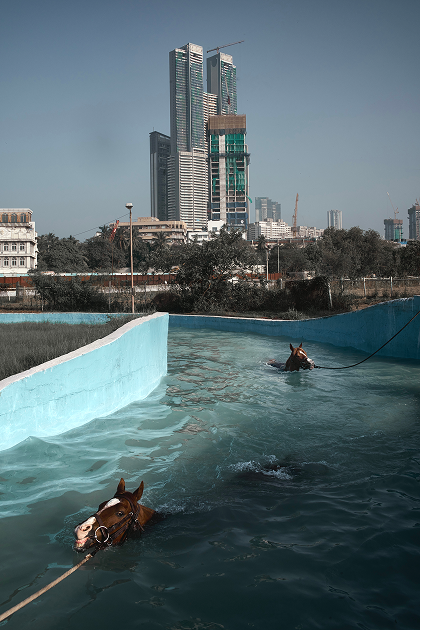
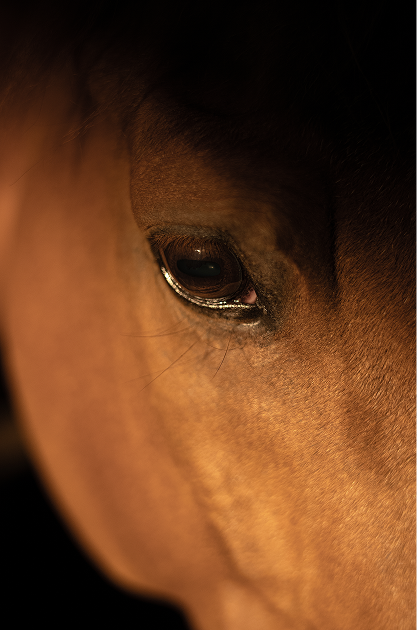
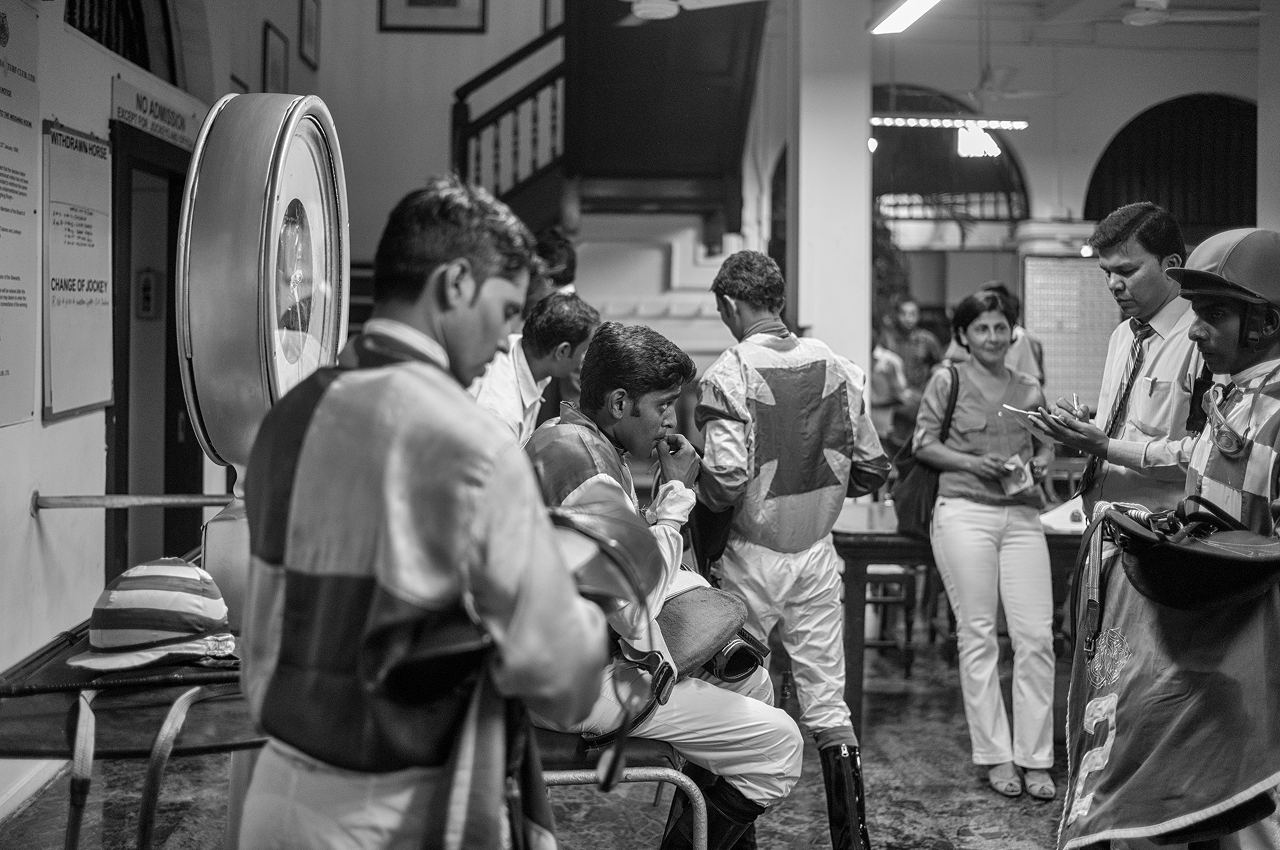
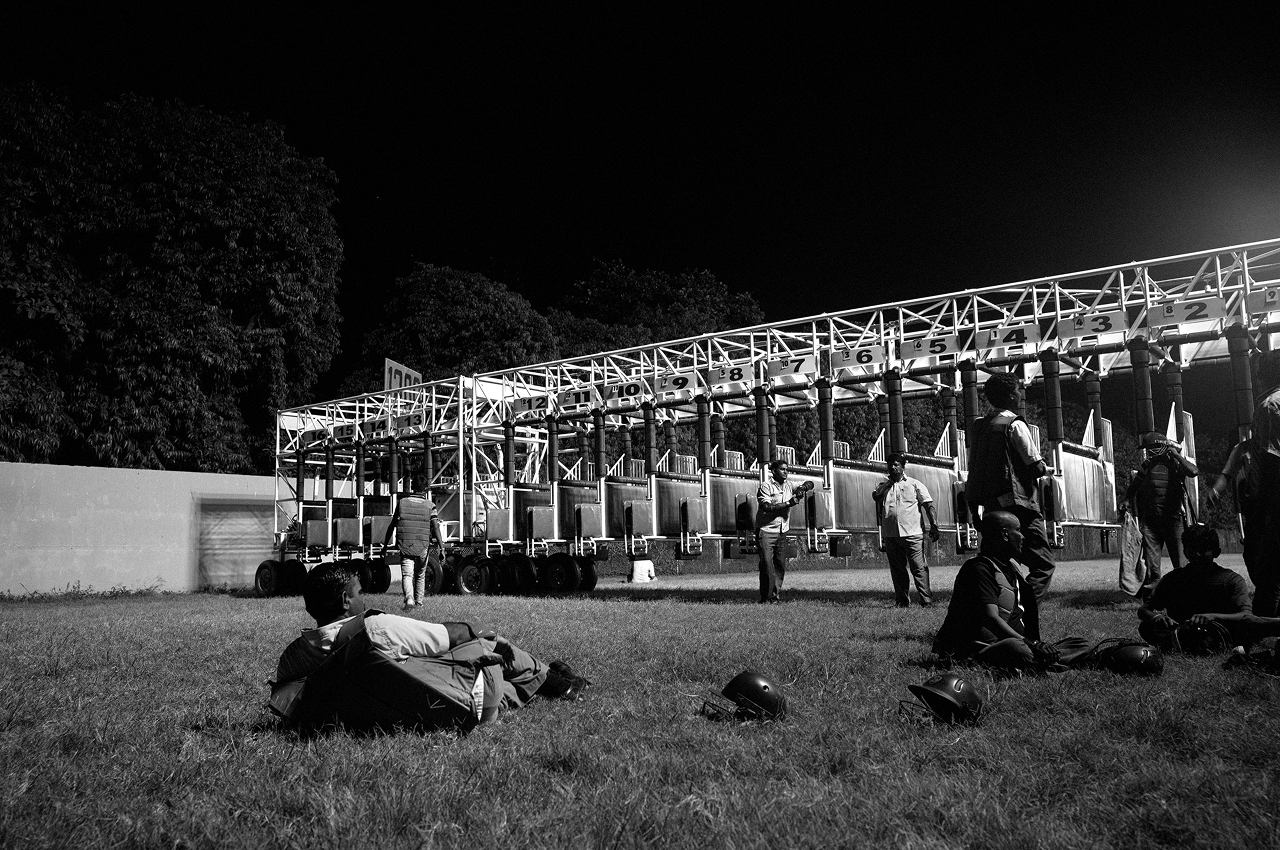
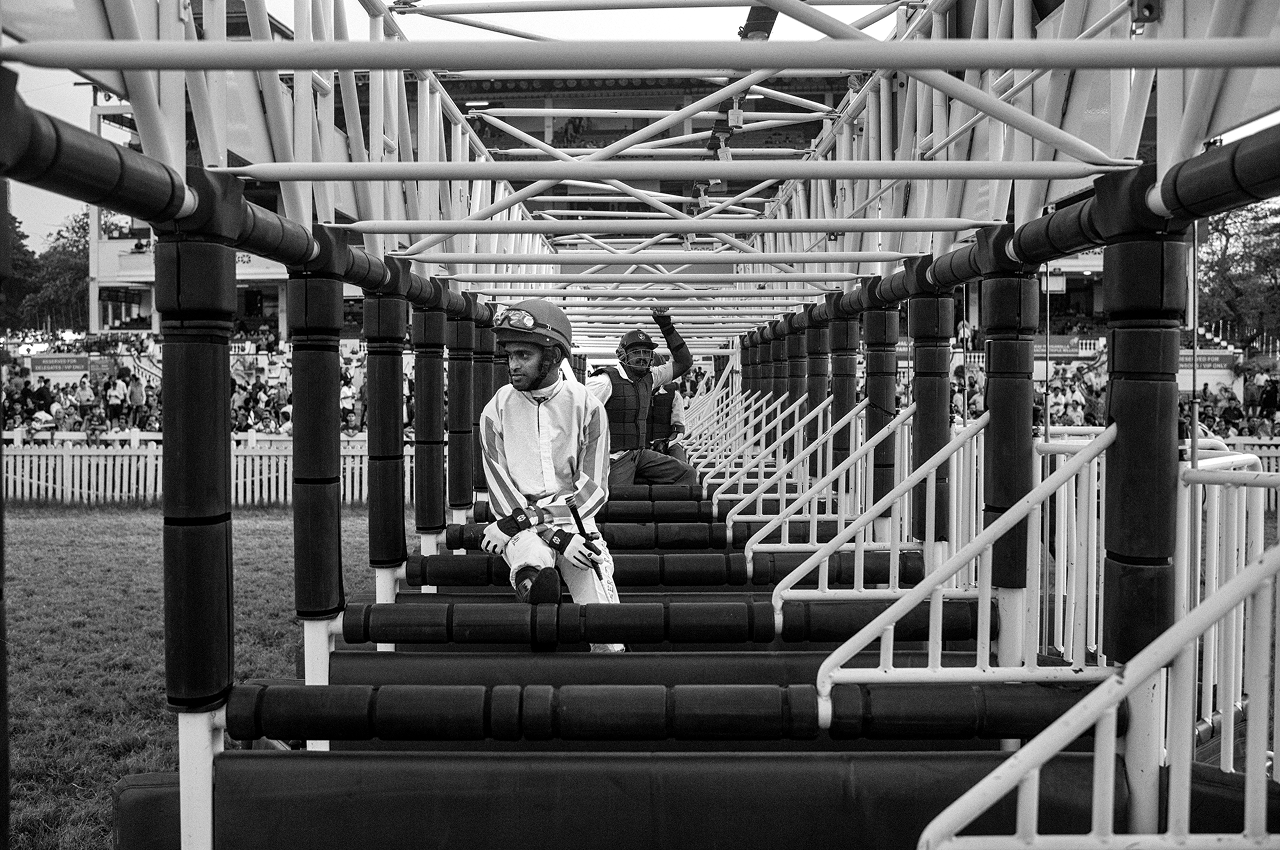
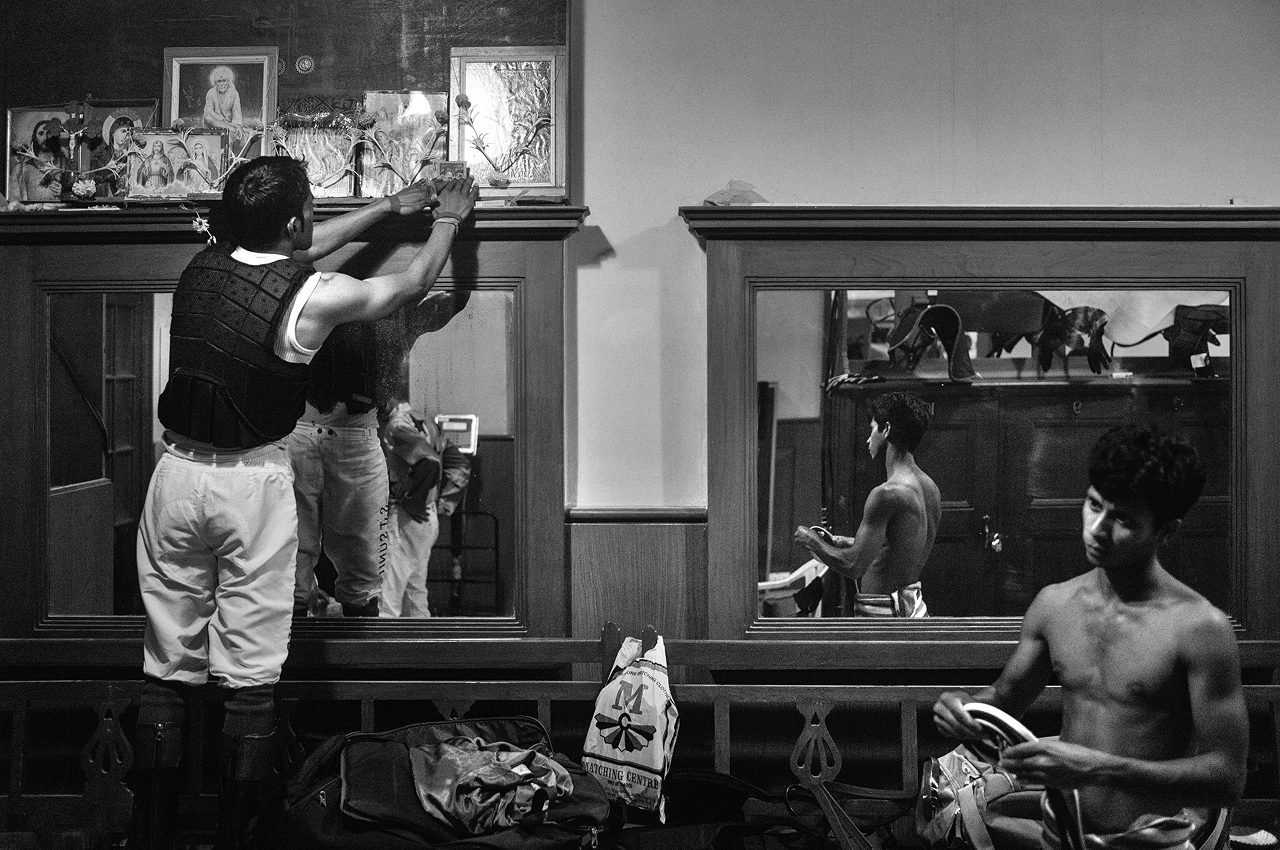
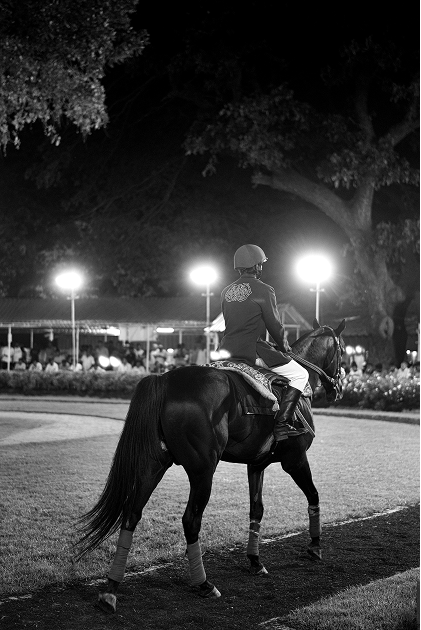
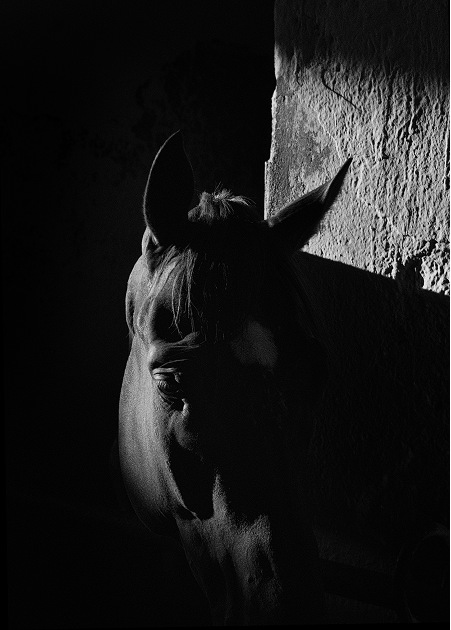
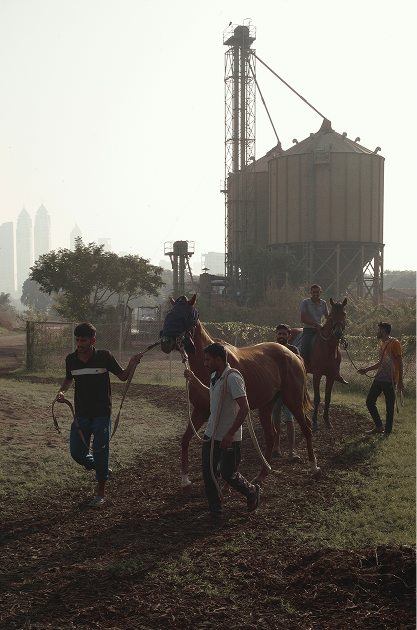
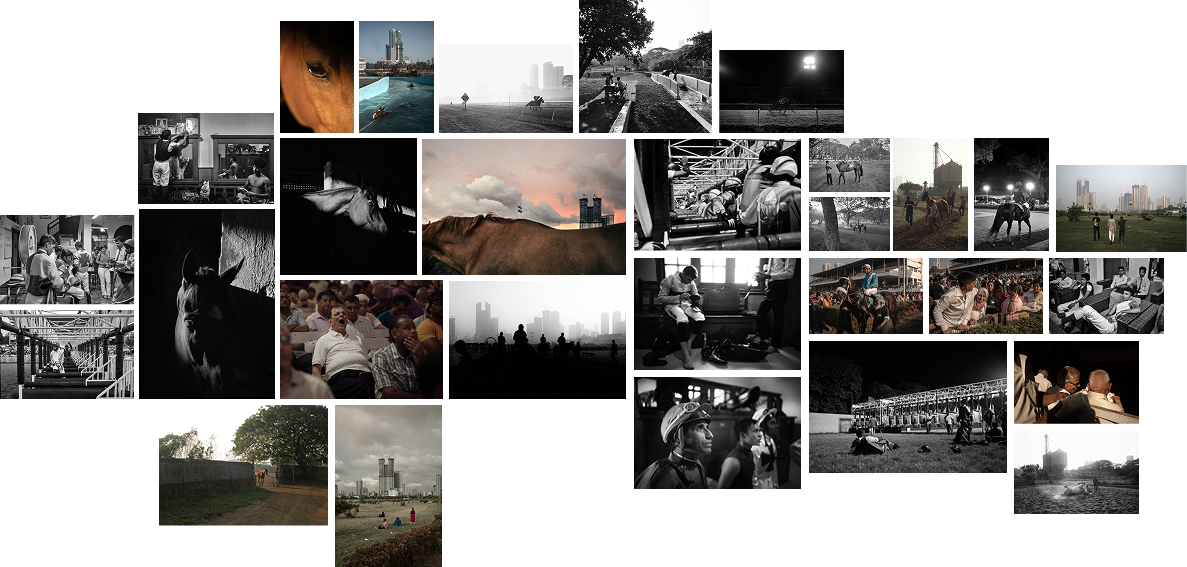
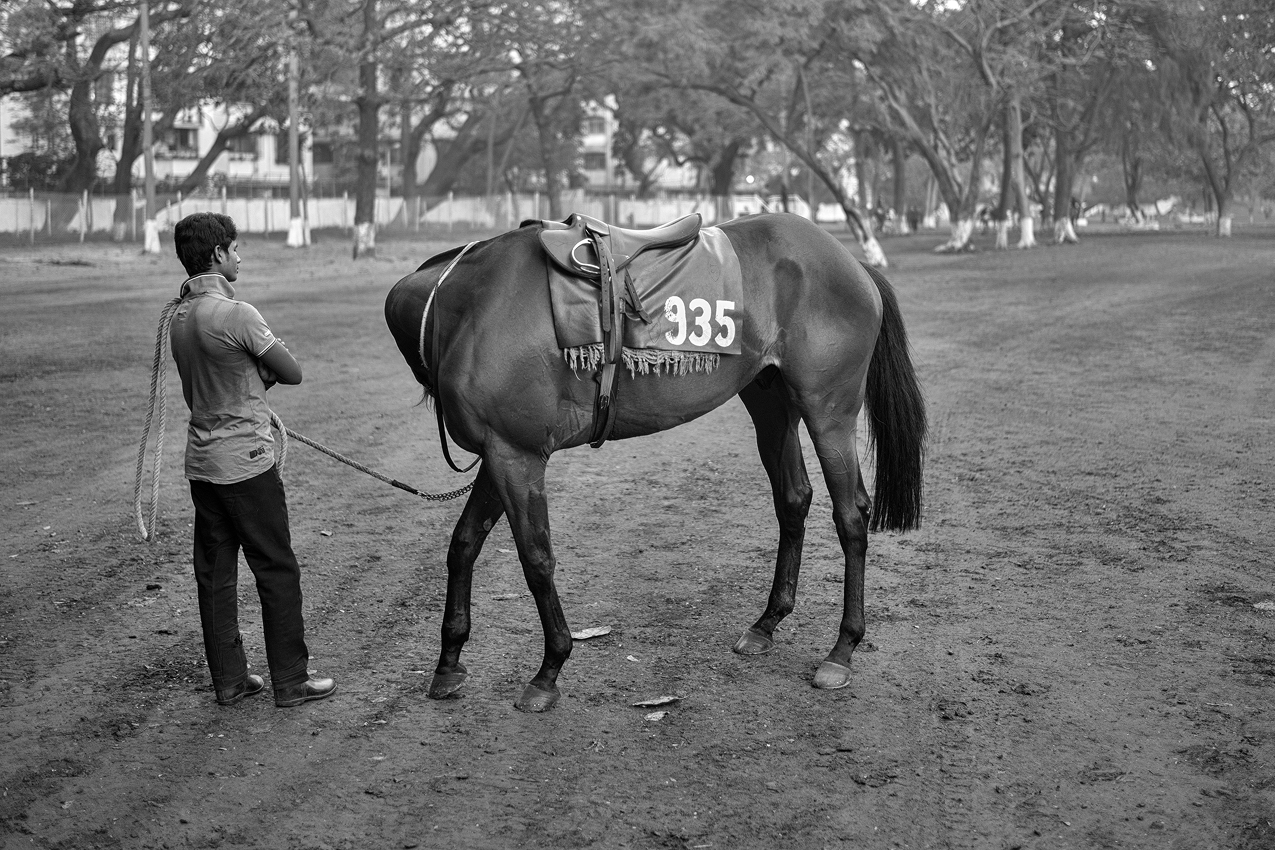
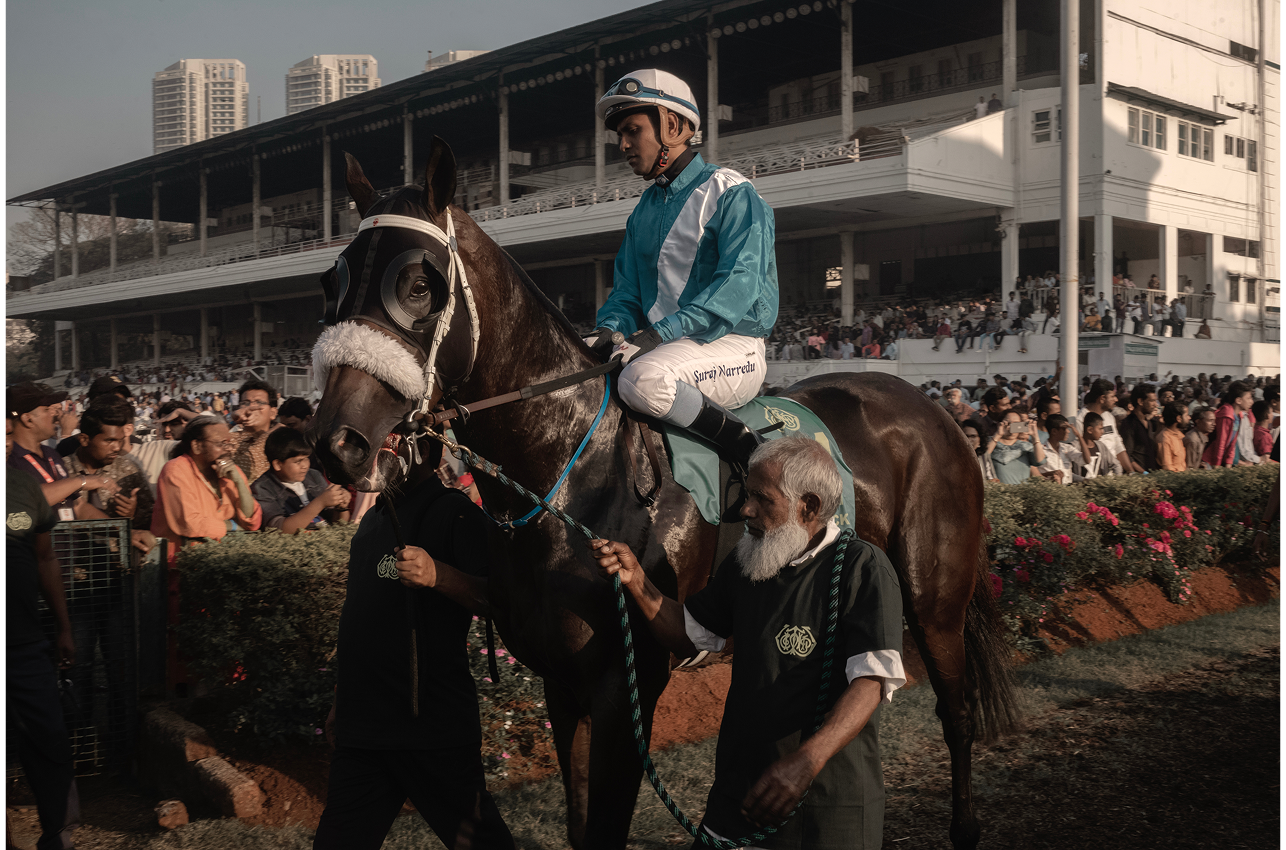
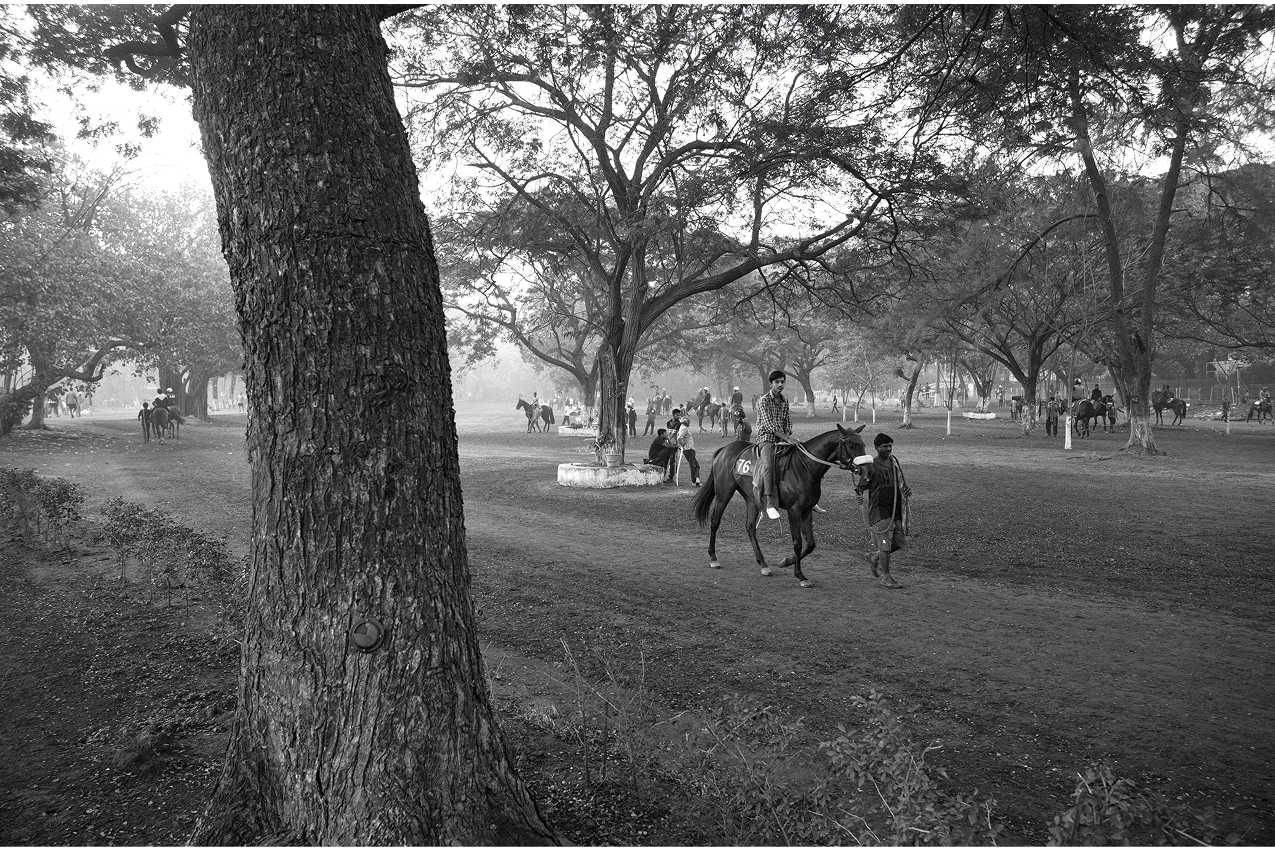
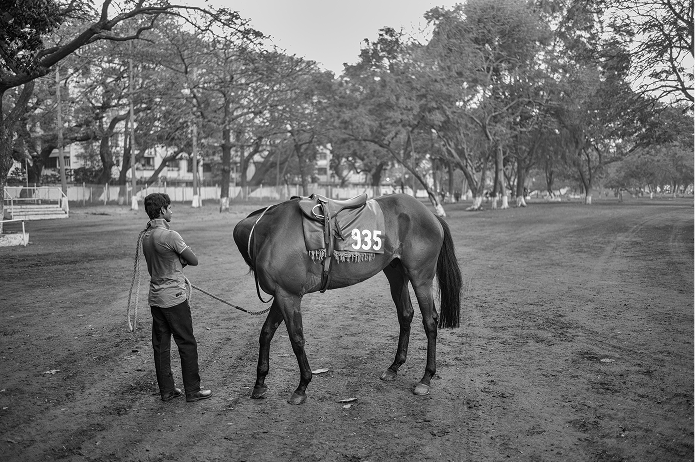
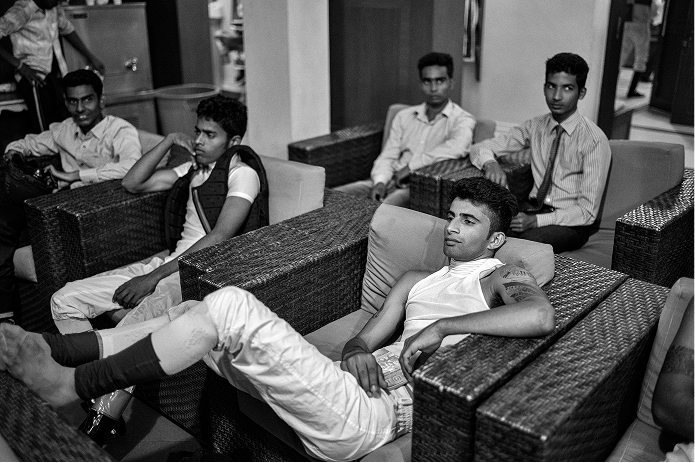
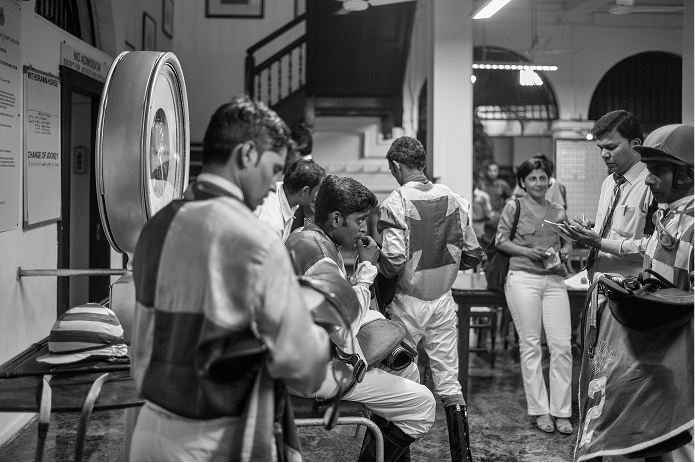
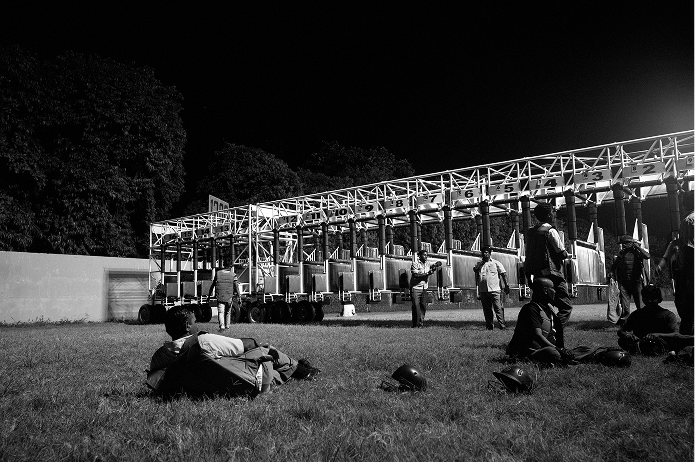
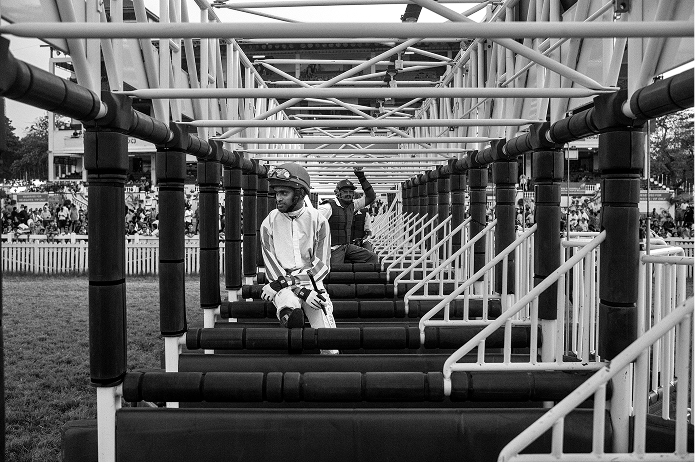
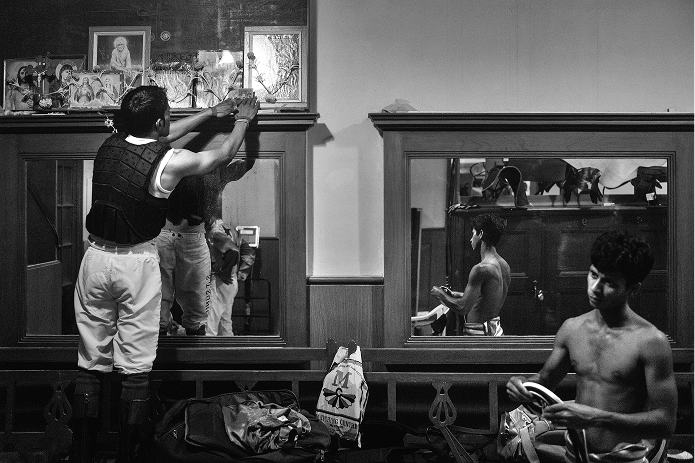
Over 10 years Sunhil has been documenting the racecourse and its many facets in a gentle and “purposeless” fashion. The images reflect the stubborn tenacity and tradition of the racing culture and community amidst the flux of a rapidly changing urban landscape. He slowly earned the trust of the community, gaining a very unusual insider’s perspective on the mechanics of the city’s racing narrative.

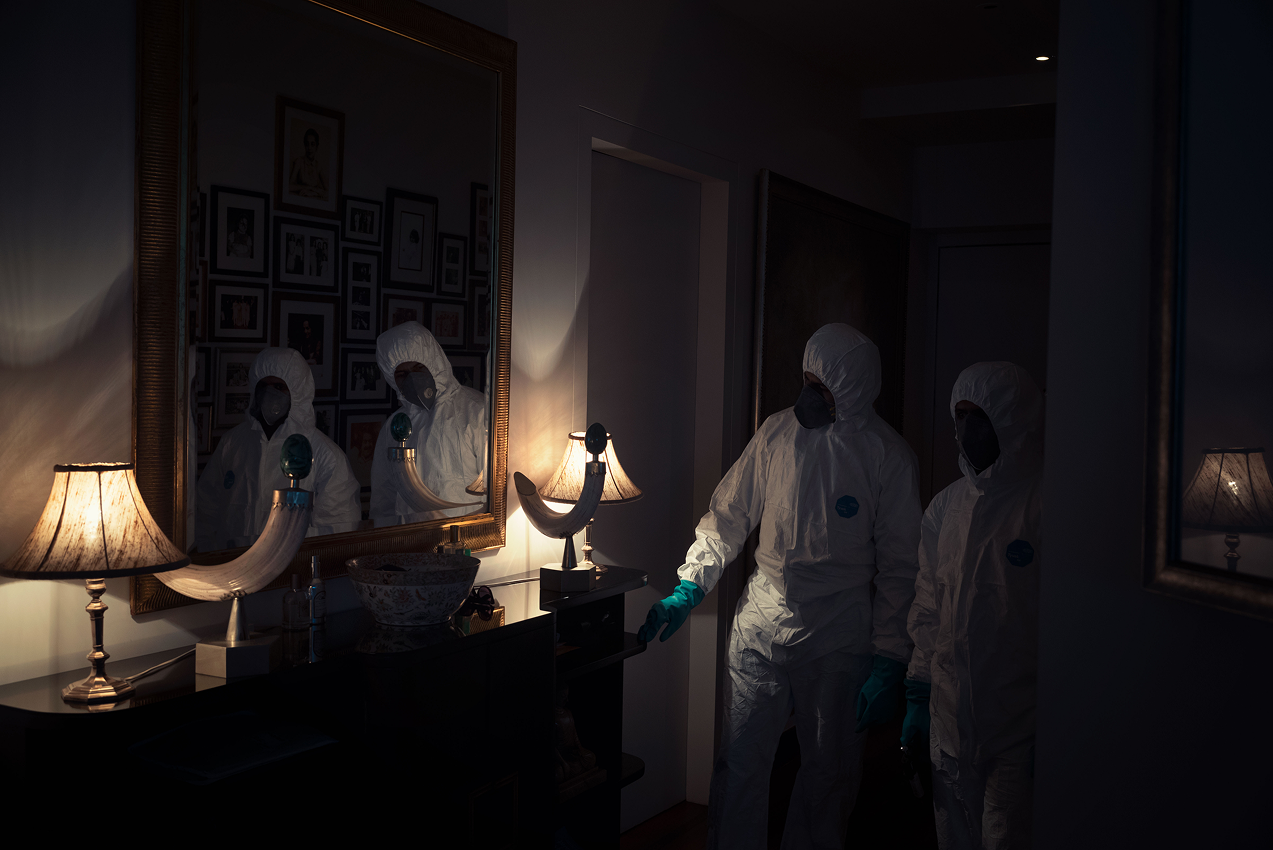
This project emerged from an abrupt shift in Sunhil’s creative journey. Fresh from travels in Mexico and Cuba, he had imagined a photographic journey across the world only to find himself suddenly confined within four walls, due to the lockdown. But limitation, he discovered, was fertile ground for transformation and confinement was rife with silver linings. Deprived of vast landscapes and unfamiliar faces, he turned his gaze inward, searching for the extraordinary within the mundane, his frustration working as a catalyst. A simple request to photograph a family in his high-rise sparked something deeper. Rather than charging for Portraits, he asked the residents to donate to relief efforts for the Migrant labourers, turning his craft into an act of solidarity.

Becoming a trustee of the Savitri Foundation was both an honor and a challenge, but Sunhil’s journey truly began when he visited rural Uttar Pradesh to witness the Foundation’s work in palliative care. Seeing firsthand the suffering in remote villages, where healthcare is almost nonexistent, shifted his perspective from obligation to a deep personal commitment. Later, through his work documenting Akhand Jyoti’s efforts in eradicating curable blindness, he saw how a simple $50 surgery could transform a child’s life.


“Over a ten year period from 2010-2020, I captured life on the streets of a city that I never believed would evolve and change as much as it has.”
The Opium of Time, a 224 page hardcover book published by Pictor, available for purchase through this site, is a romantic celebration of a city whose spirit is camouflaged by a delicate and vulnerable veneer. The collection is a gritty, monochromatic exploration of the streets, tempered by meditative urban landscapes in colour. The book has a foreword by Zoya Akhtar and poetry by Ankur Tewari.
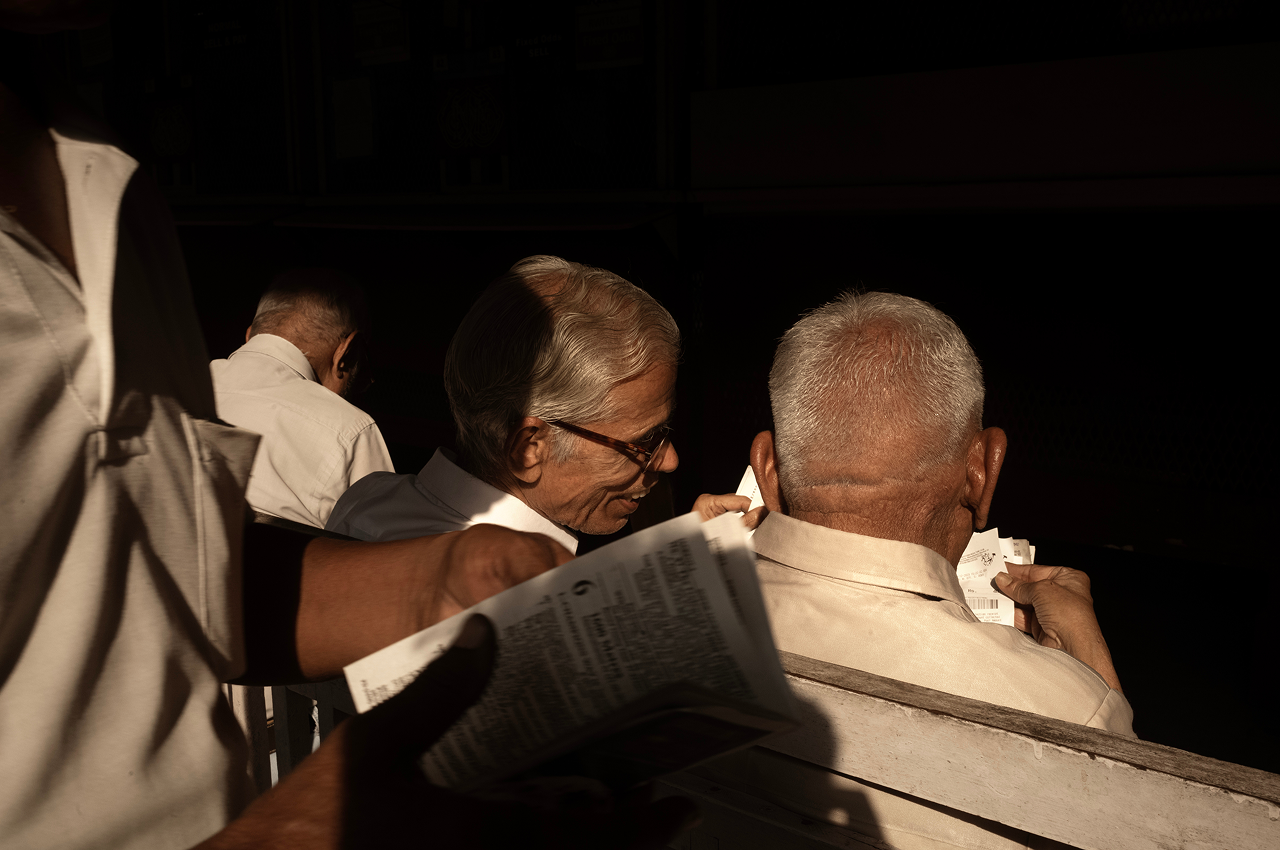
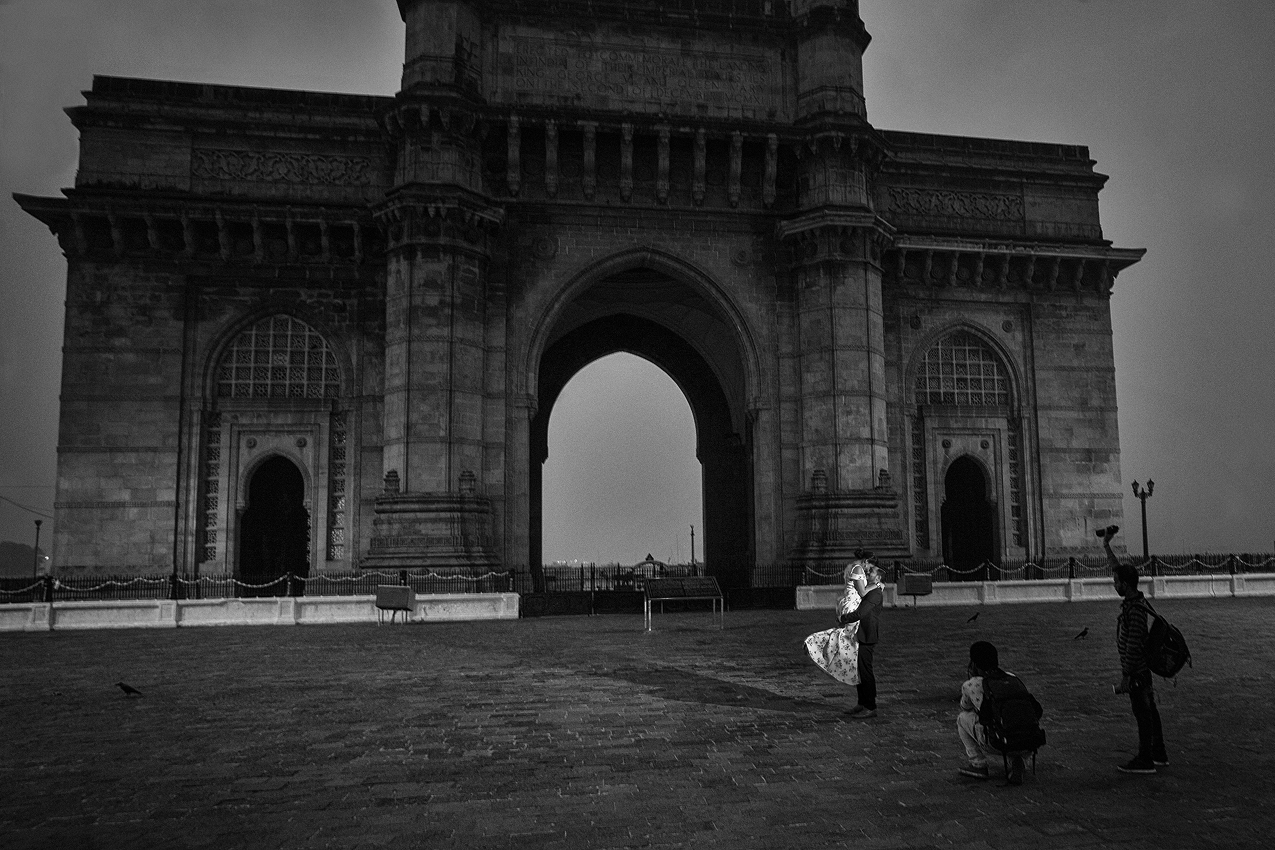
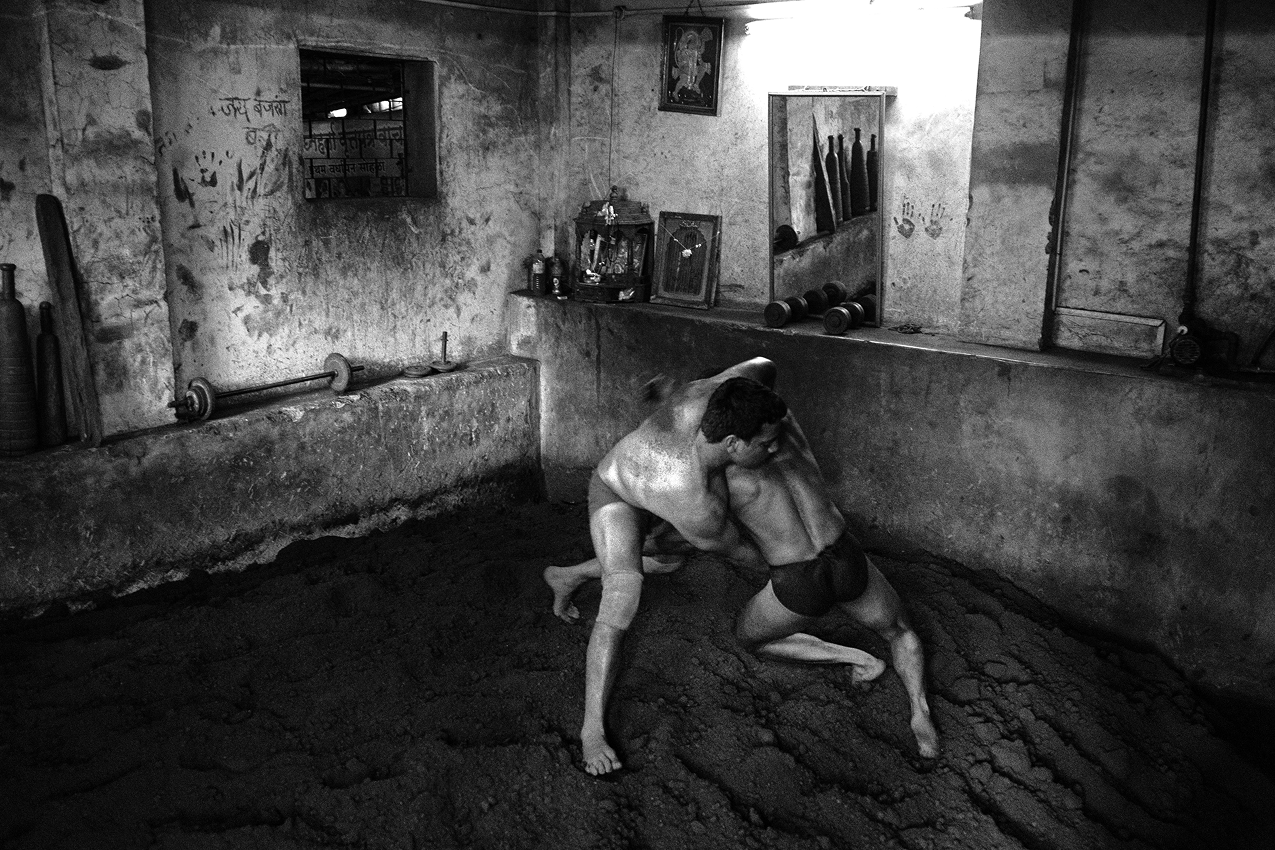
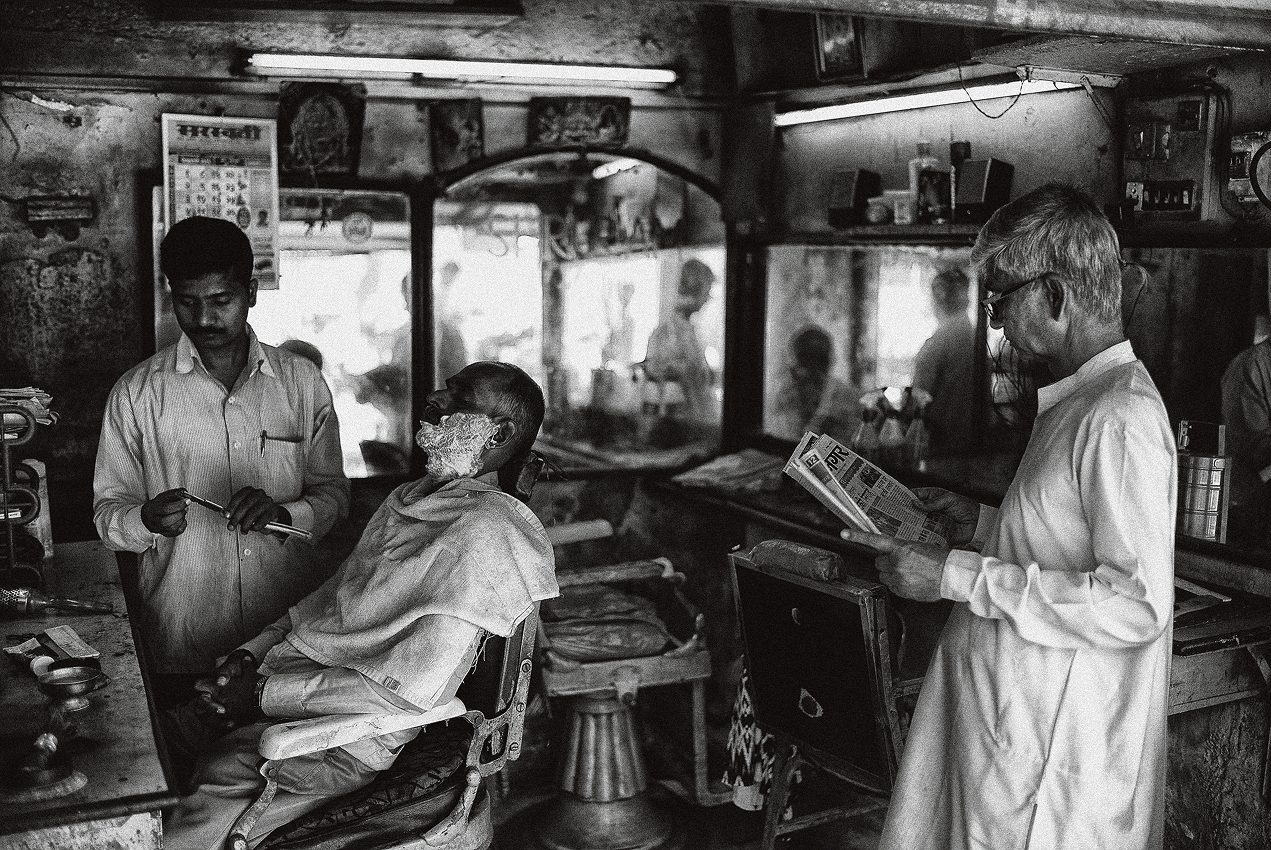
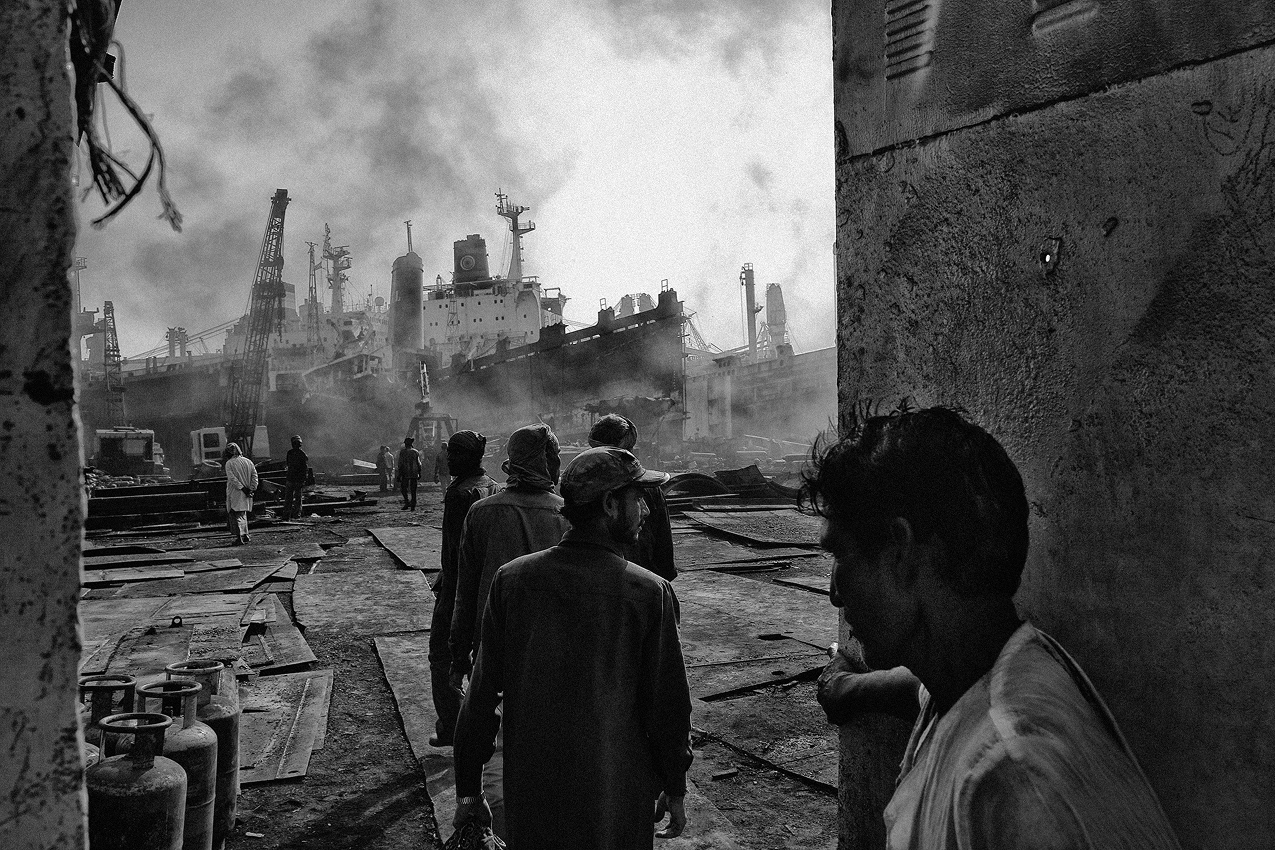
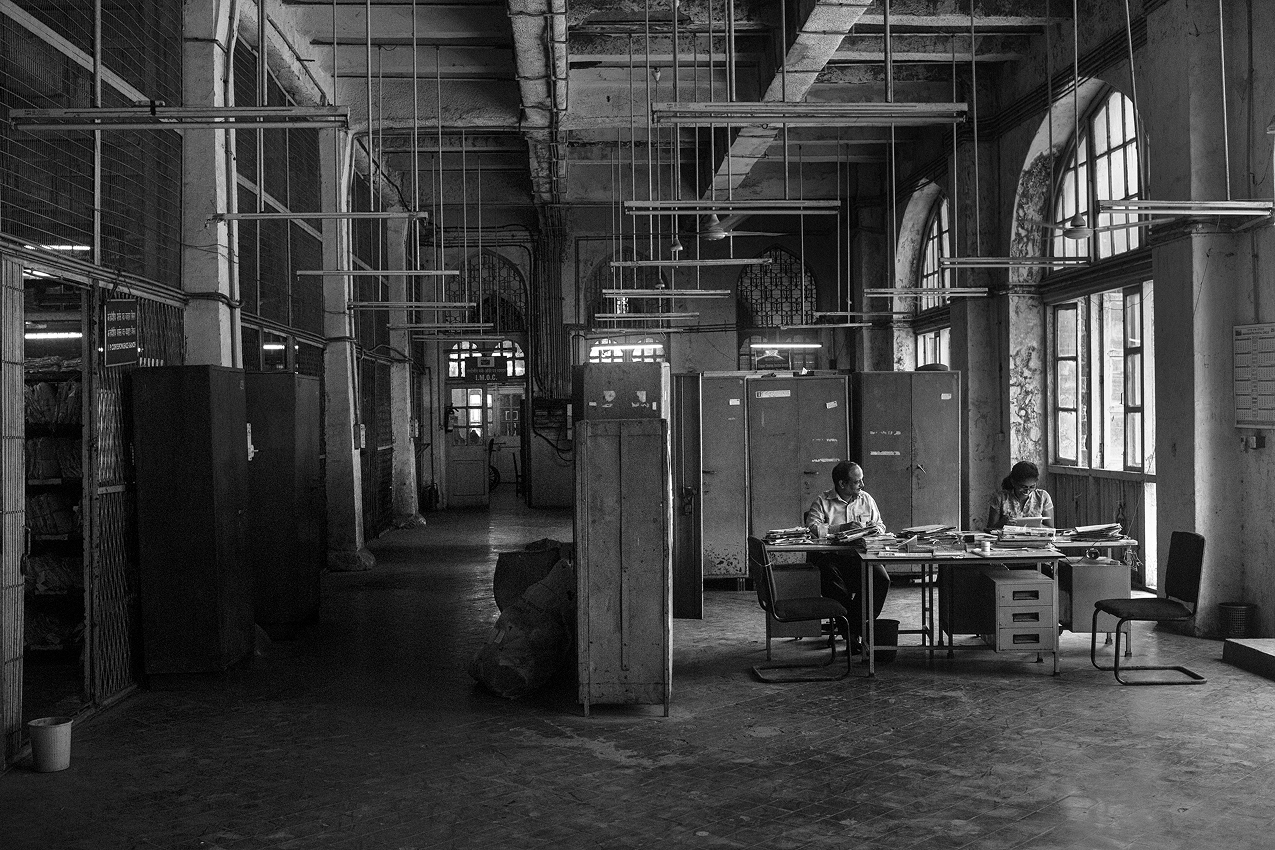
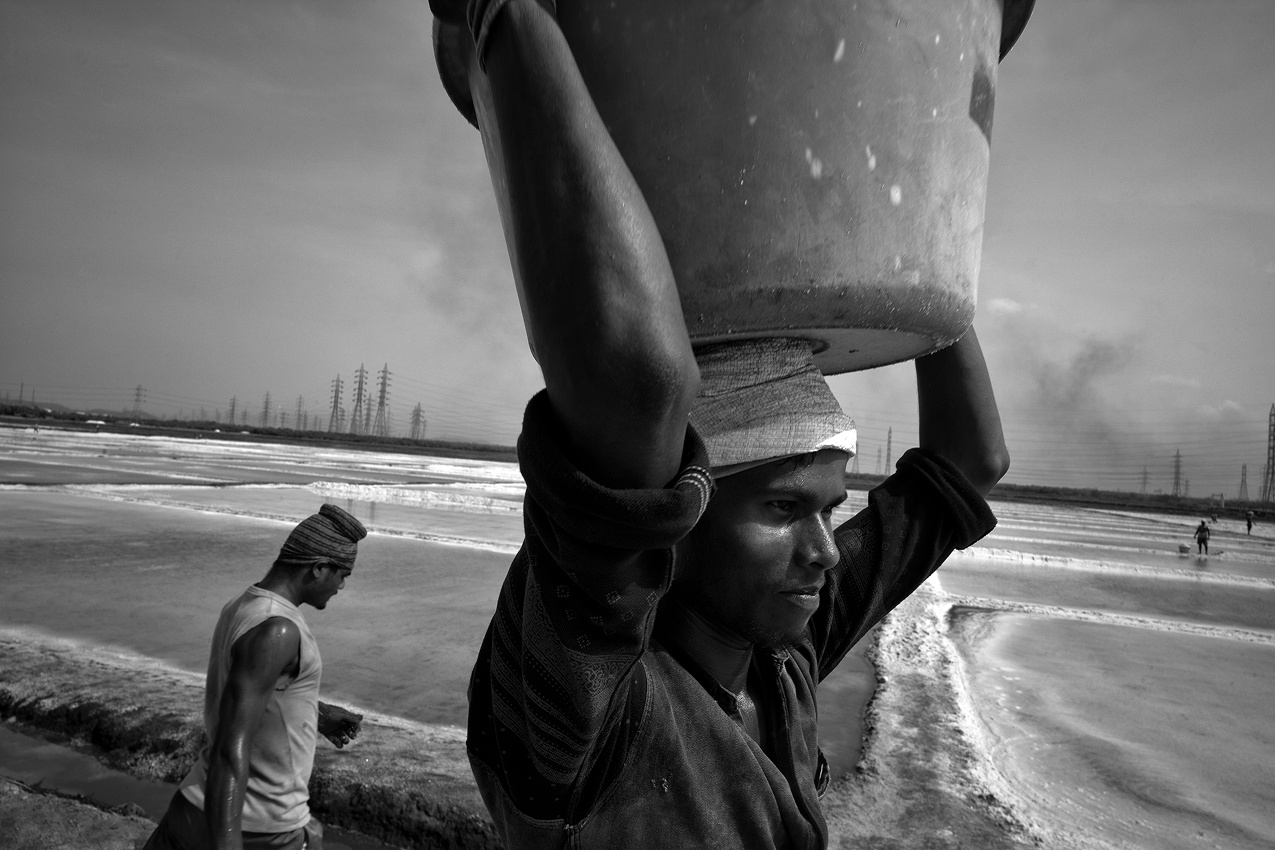
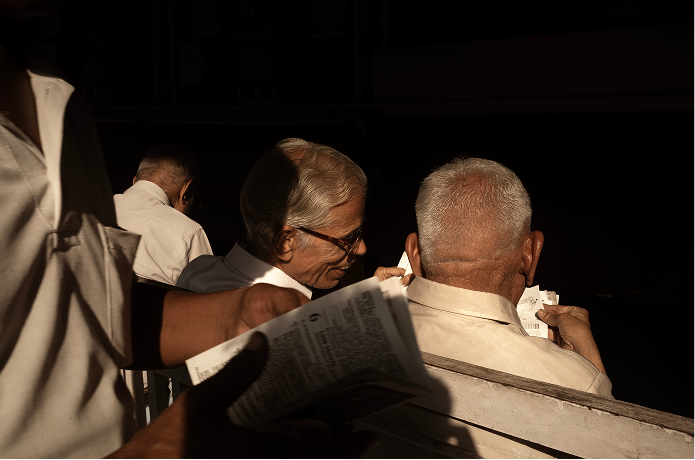
“The book is a powerful monochromatic album that documents people and ways of life in the city, much of which we know will vanish sooner or later as gentrification marches on — the crowded chawls, the local trains, the barbershops, the wrestling akhadas, the slums, the government office still without computers, the mathadis, the single screen theatres, the fairgrounds, the fisherwomen and the fisherman’s villages, the shipbreakers, the salt pan workers, the photographers at Gateway of India, the shoeshine boy, the ageing bettors at the racecourse, the ageing Parsis by the window. Even the intermittent pictures of the city landscapes have a haunting quality about them.”
Radhakrishnan Nair for Man’s World, May 2022.

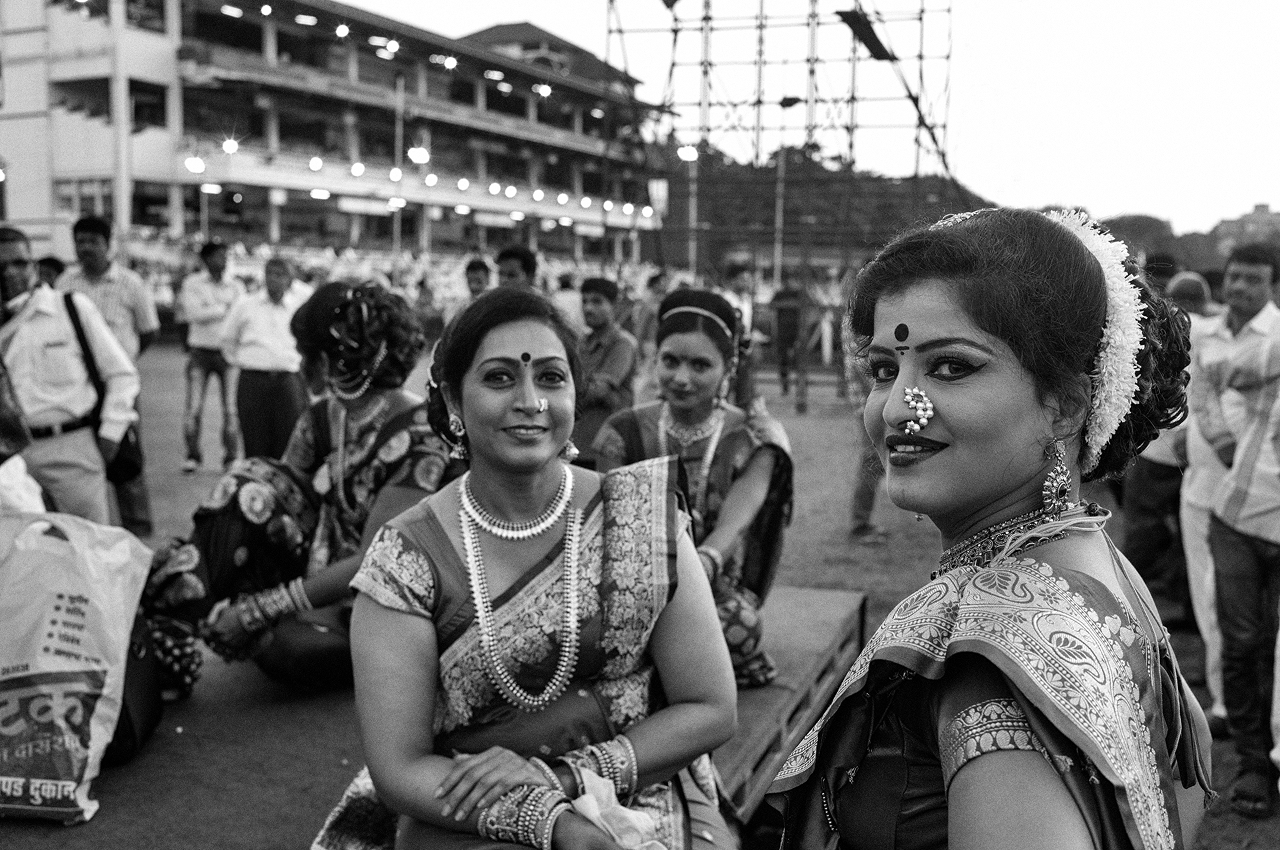
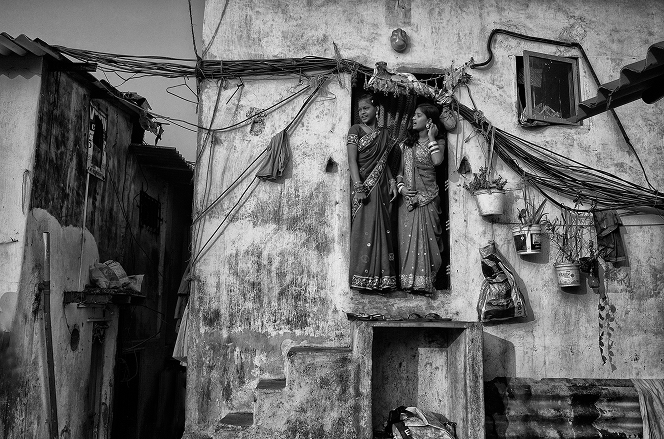
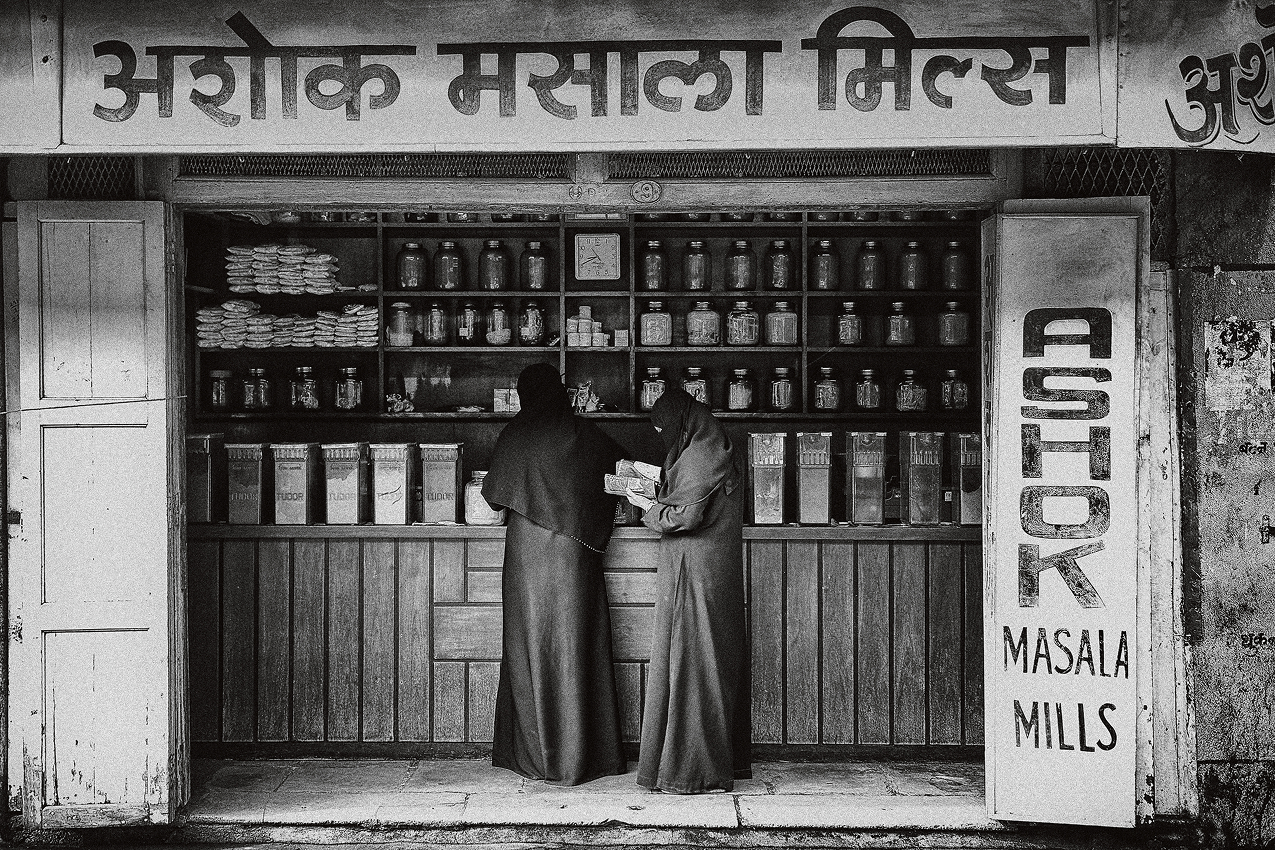
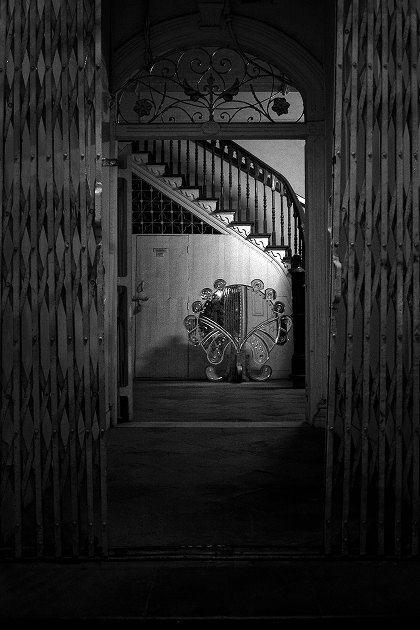
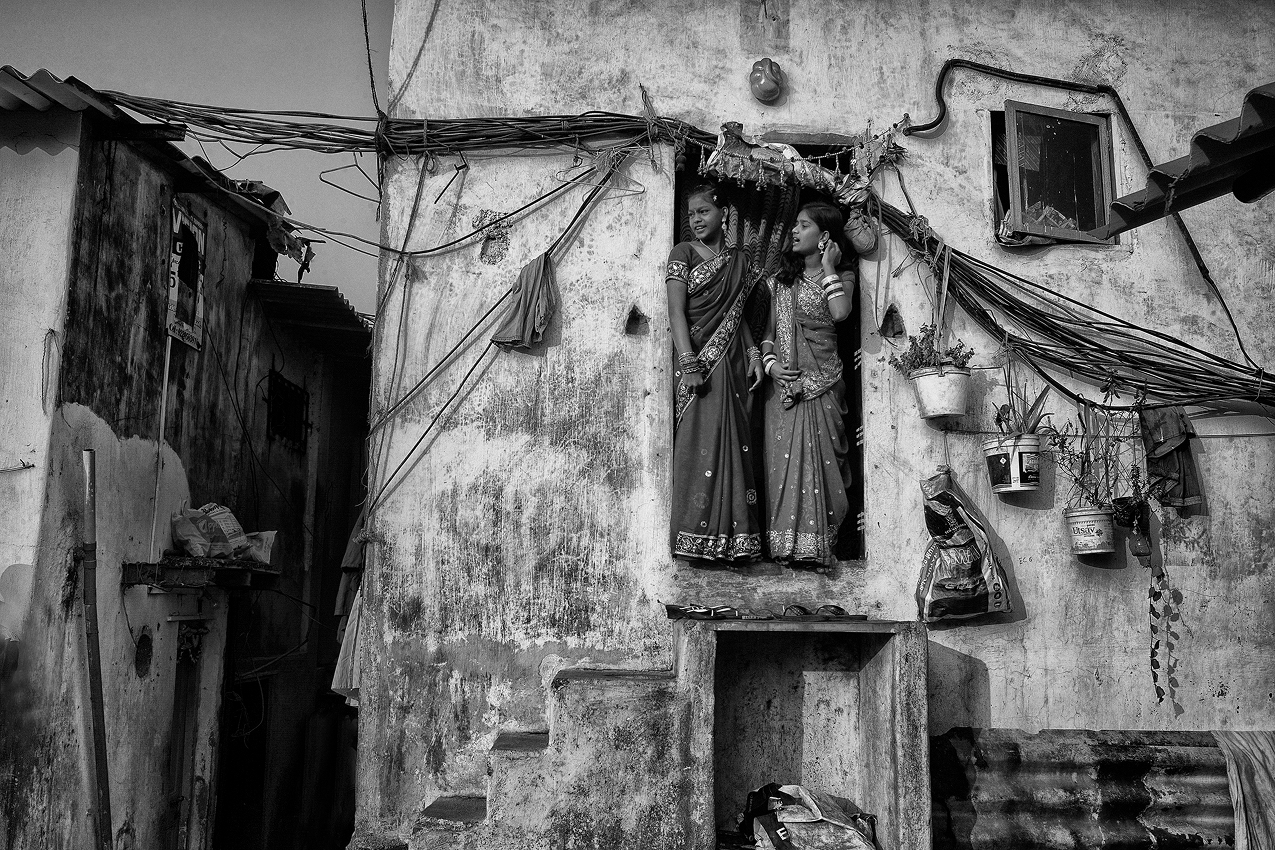
That morning there was a flurry of activity. I hung around for a while. Something very beautiful was unfolding with people moving in and out of this doorway until these two girls appeared and stood there momentarily.
After the book was published, I returned to this spot in 2022 with the copy of the book and 2 prints in the hope of finding the two girls. I was fortunate enough to find one and when I asked if they were dressed for a wedding, she laughed and said “No, it was some function!”
How do you navigate the thin line between voyeurism and exploitativeness in your imagery? Is this an important concern for you?
It is a very important issue and one that deserves attention. One does inevitably cross the line, on occasion, being an observer of life – but it’s important to remember that the decisive moment by its very nature requires a spontaneous response to a situation that passes in a heartbeat. It is critical for me to generate a sense of comfort around me in the environment in which I am working – engaging in conversations and learning a little about people’s lives, helps to legitimise the role of the subject in the image. This is a concern that has become more important for me over time, and while I was possibly more furtive in the earlier years of my practice, I am now more measured and mindful.
Overall I would say my presence is felt and accepted by my subjects – and consent comes “spiritually” in many ways; that said, while these issues should rightfully be discussed, the ongoing dialogue should not prevent image makers from recording the times we live in.
by Sunhil Sippy
“Over a ten year period from 2010-2020, I captured life on the streets of a city that I never believed would evolve and change as much as it has.”
The Opium of Time, a 224 page hardcover book published by Pictor, available for purchase through this site, is a romantic celebration of a city whose spirit is camouflaged by a delicate and vulnerable veneer. The collection is a gritty, monochromatic exploration of the streets, tempered by meditative urban landscapes in colour. The book has a foreword by Zoya Akhtar and poetry by Ankur Tewari.
Details
Number of pages : 224
MRP : ₹ 3,750 (includes shipping across India). For international deliveries, please write to us.
Delivery time : 15 to 20 working days

Over 10 years Sunhil has been documenting the racecourse and its many facets in a gentle and “purposeless” fashion. The images reflect the stubborn tenacity and tradition of the racing culture and community amidst the flux of a rapidly changing urban landscape.
He slowly earned the trust of the community, gaining a very unusual insider’s perspective on the mechanics of the city’s racing narrative.

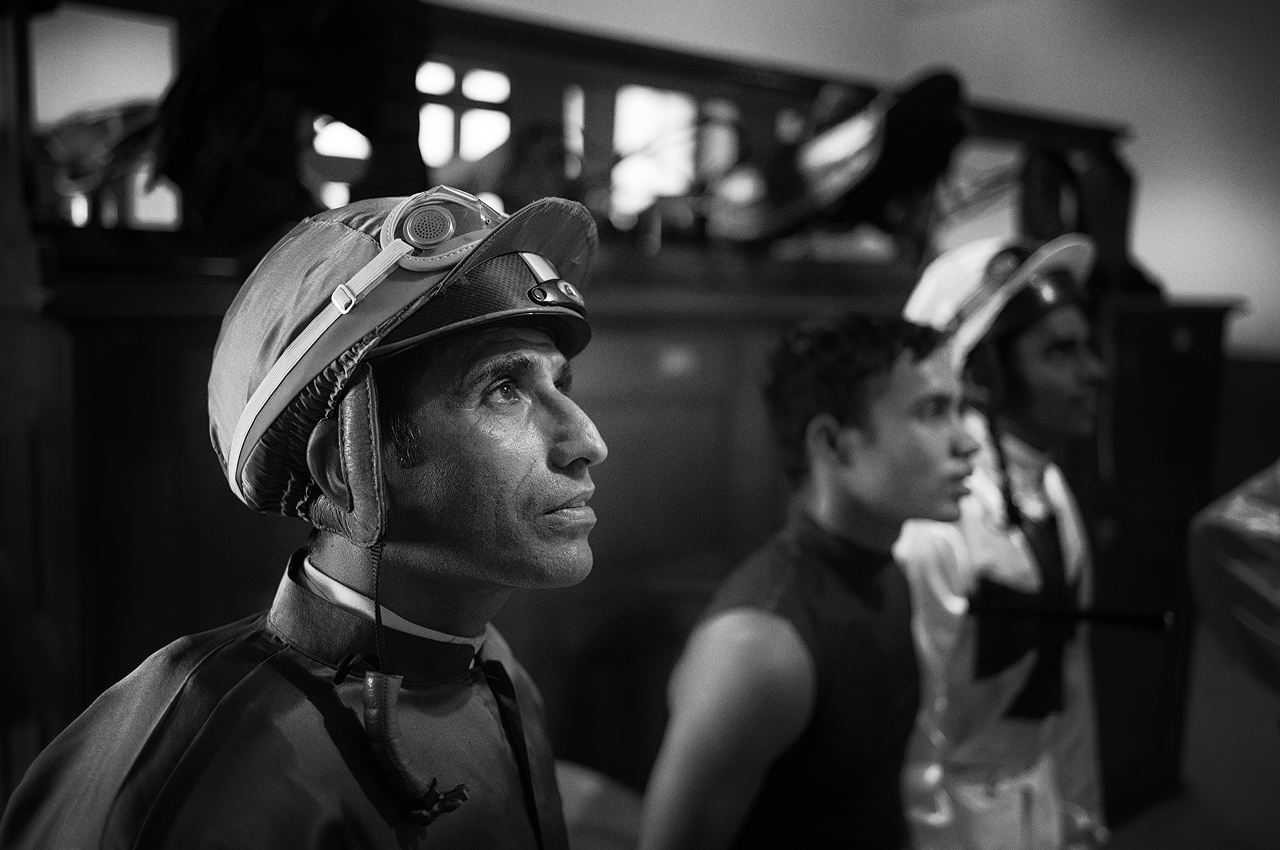
One of the real joys of immersing myself in the quirky racecourse universe was becoming familiar with the trainers and jockeys, the owners and the gamblers. It’s been many years now and whilst early on, I was looked upon with mild suspicion, this gently turned into familiarity and then a warm camaraderie. I think that’s where the satisfaction really lies in long term projects – developing a real connection with one’s subject.
The work at the racecourse has taken many forms over the years – colour, monochrome, analog, digital – and whilst I’ve tried to convince myself that the shooting is over and that it’s now time to sculpt and shape the work, I continue to make pictures much to the chagrin of my designer, but perhaps I have now closed the narrative with moving images through the creation of a short film.
We admire your images from the Racecourse. Could you tell us more about your upcoming and ongoing projects?
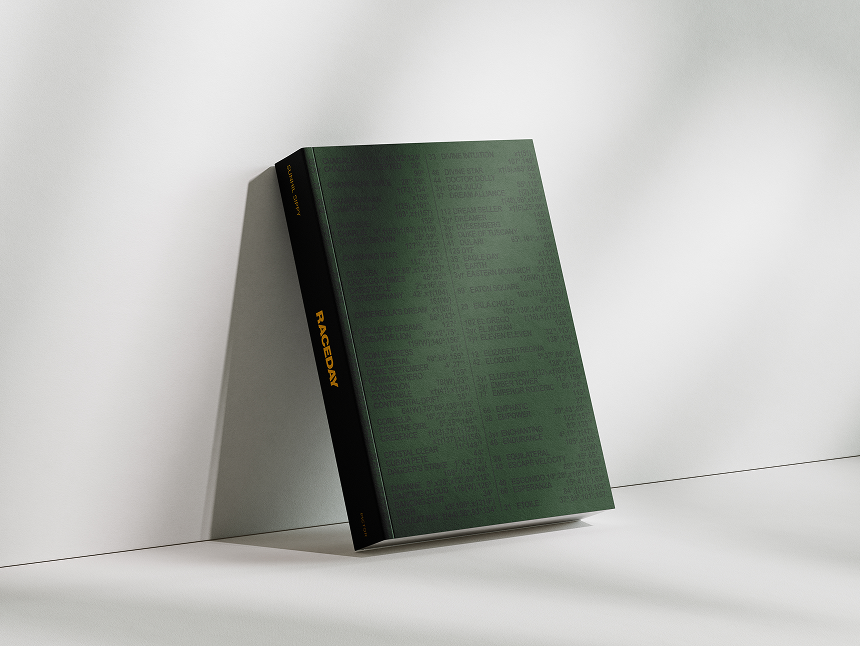
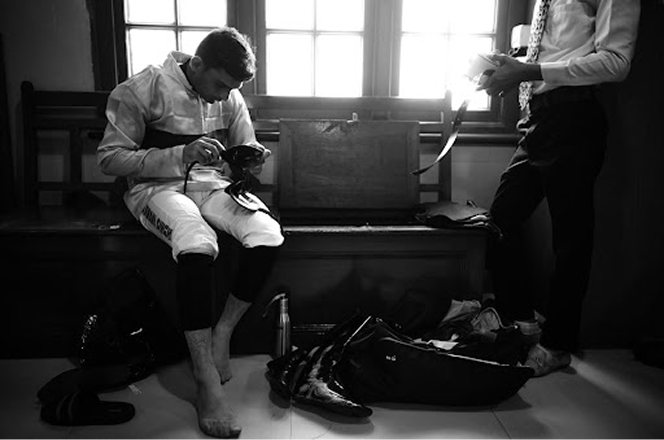
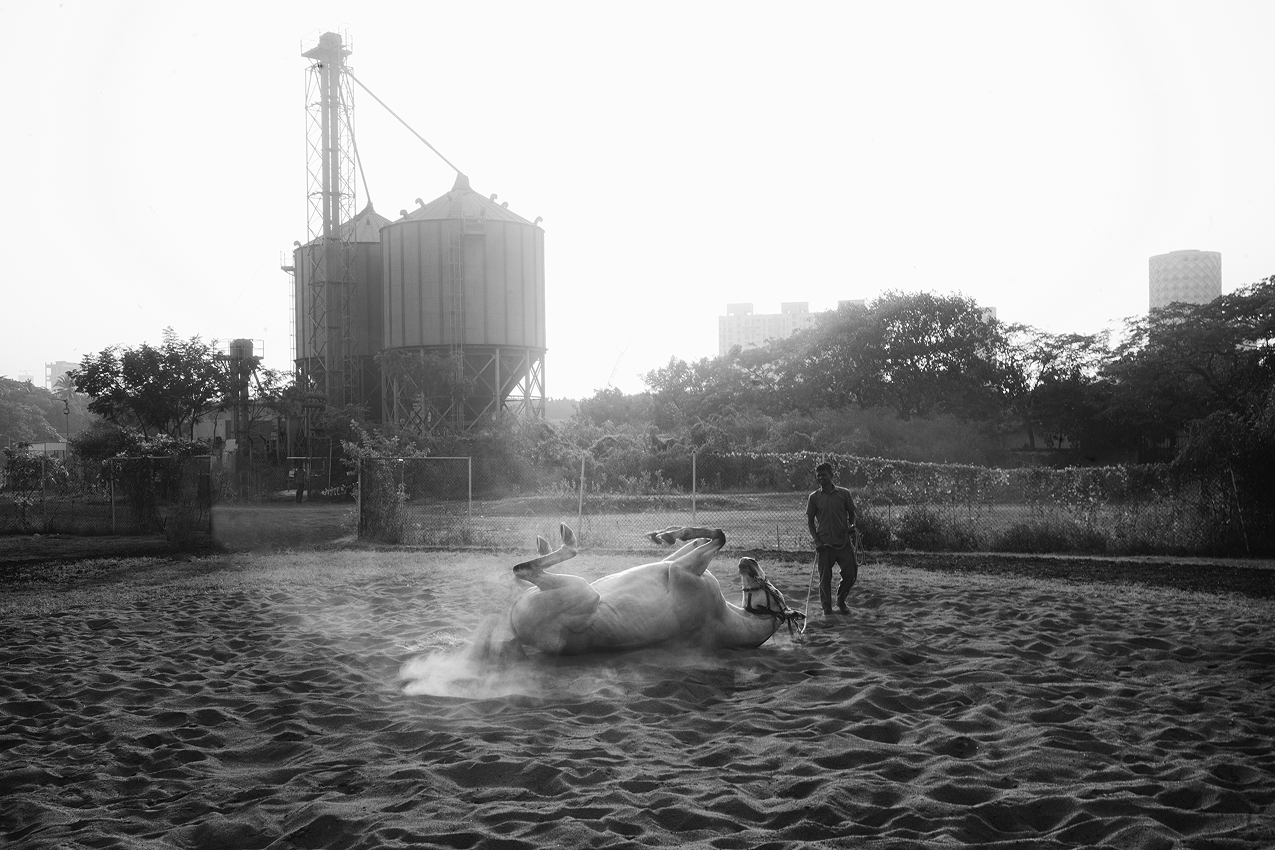
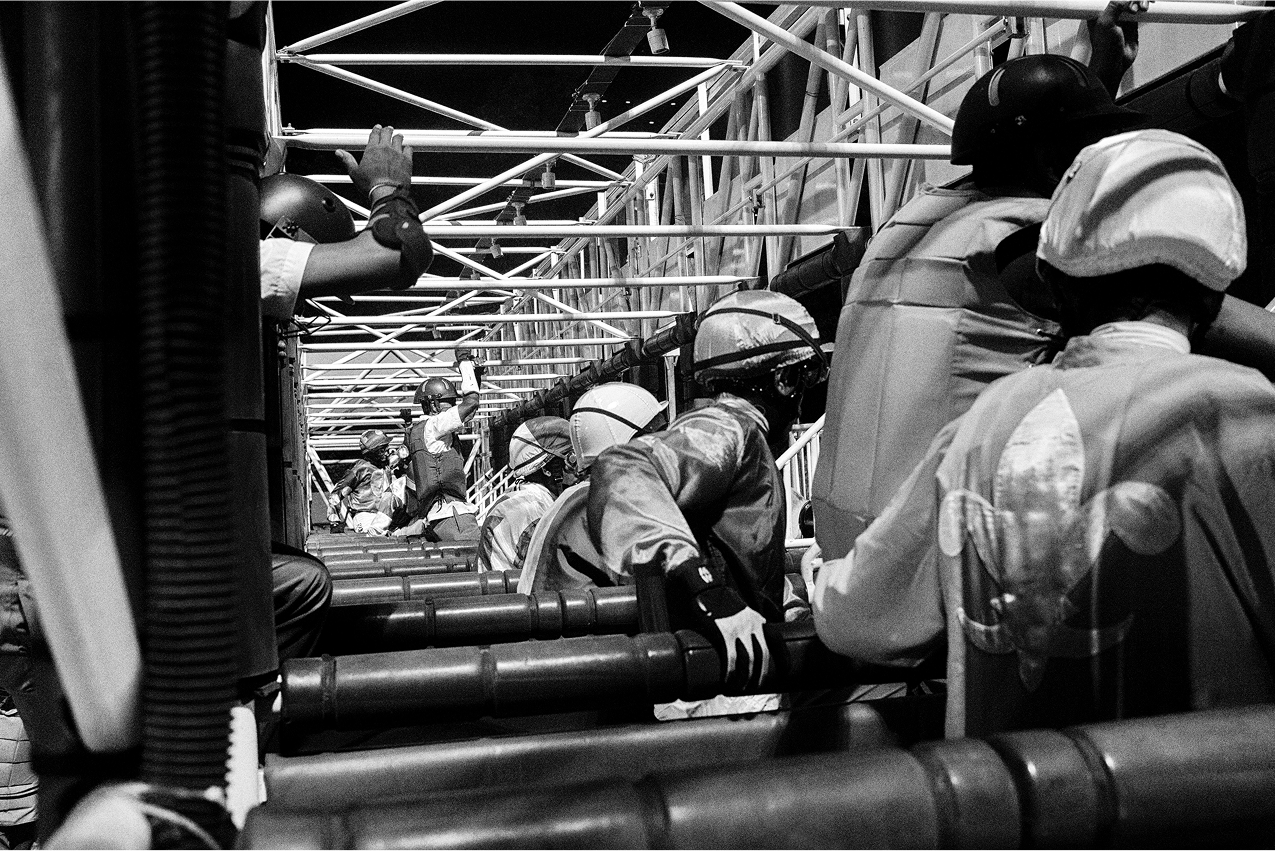
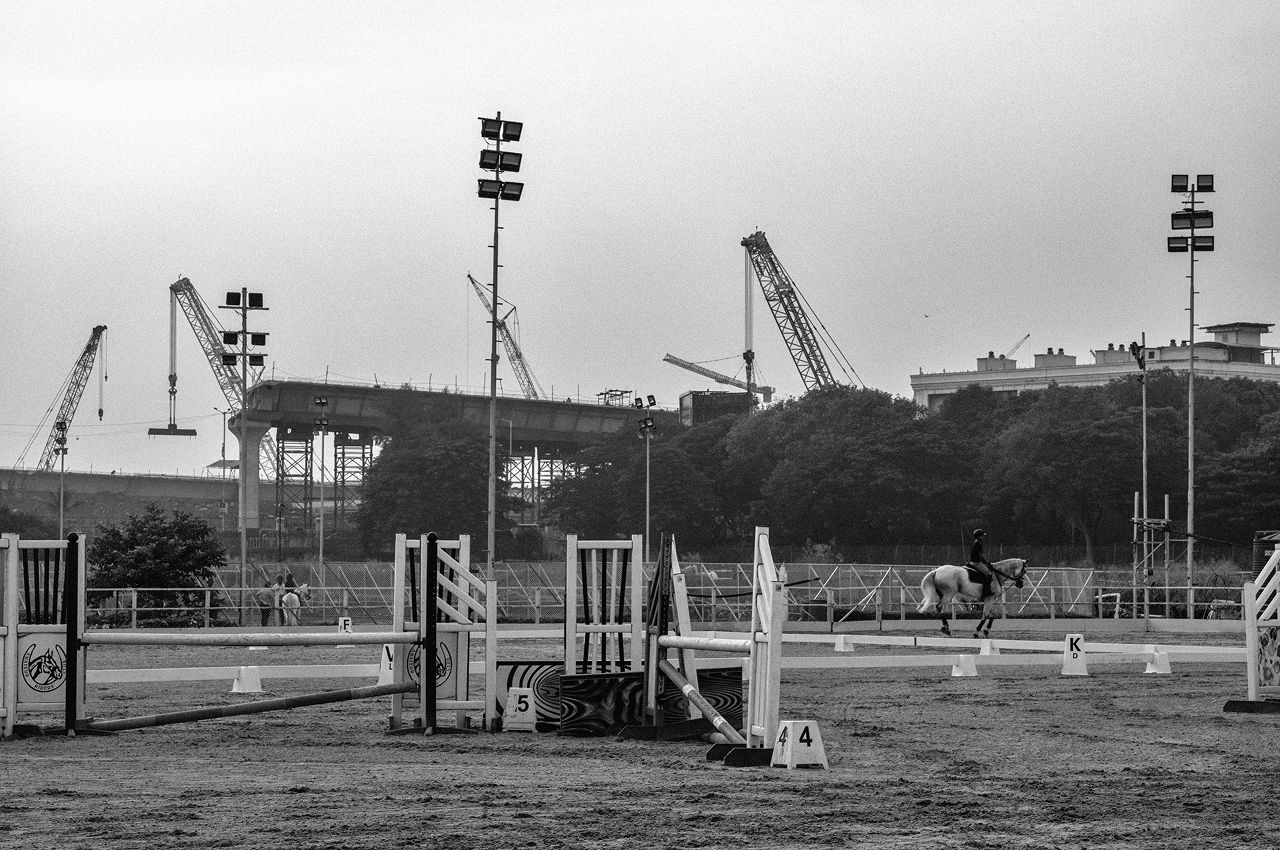
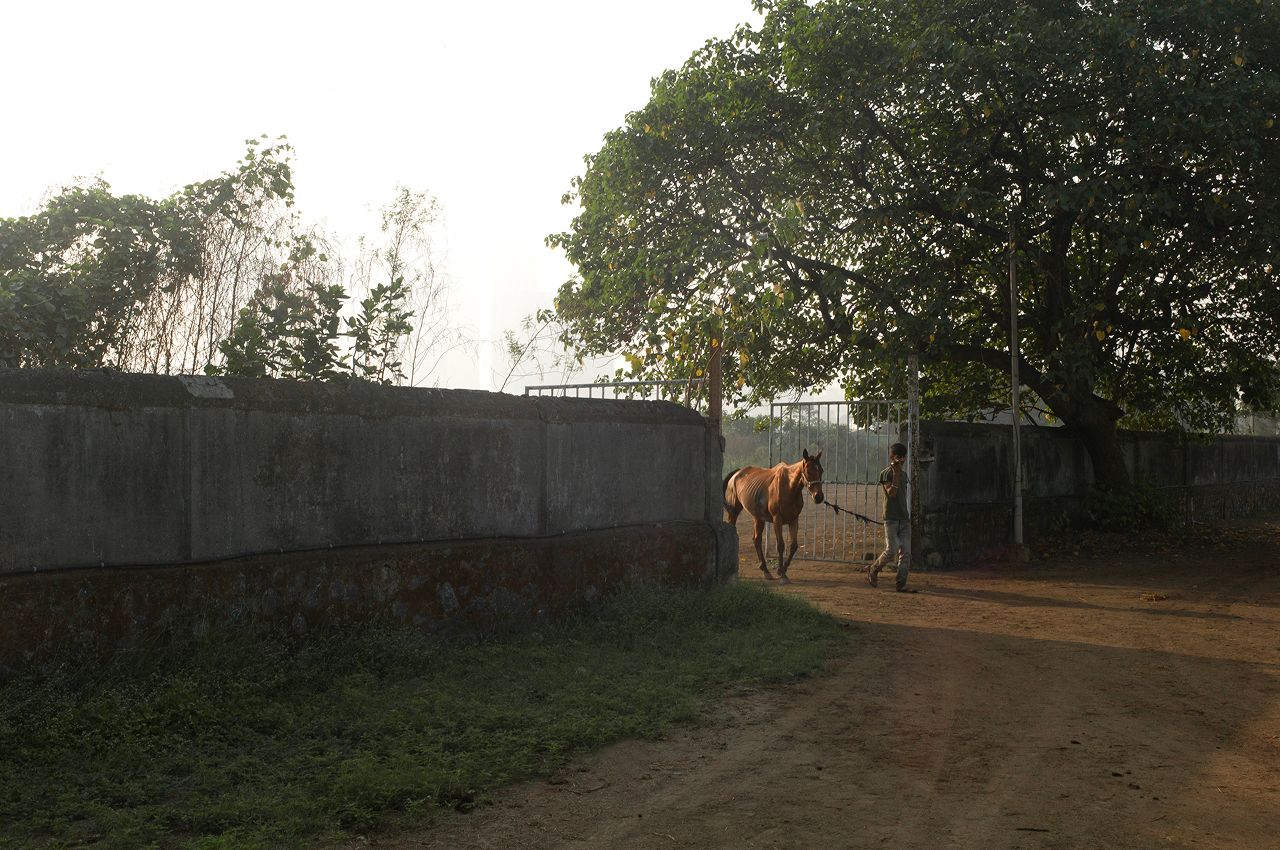
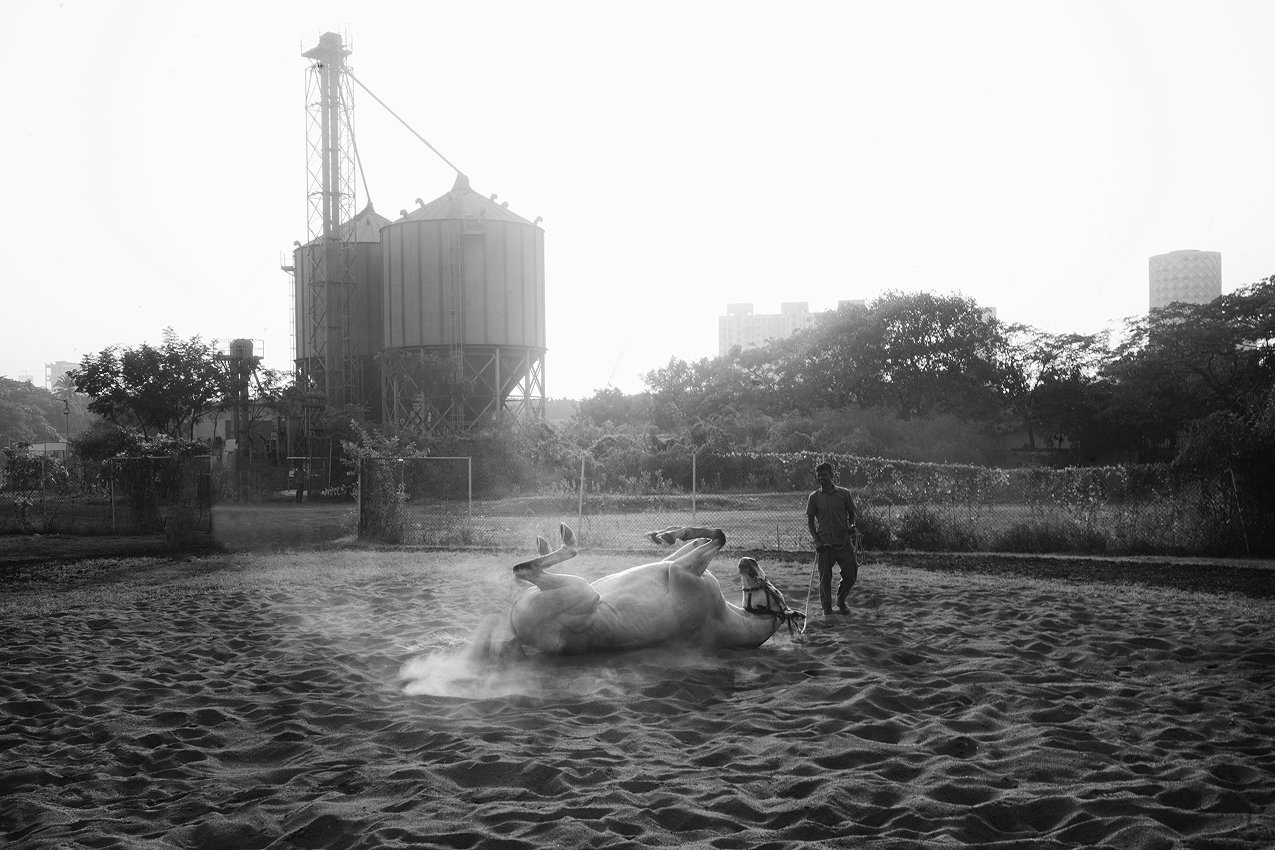
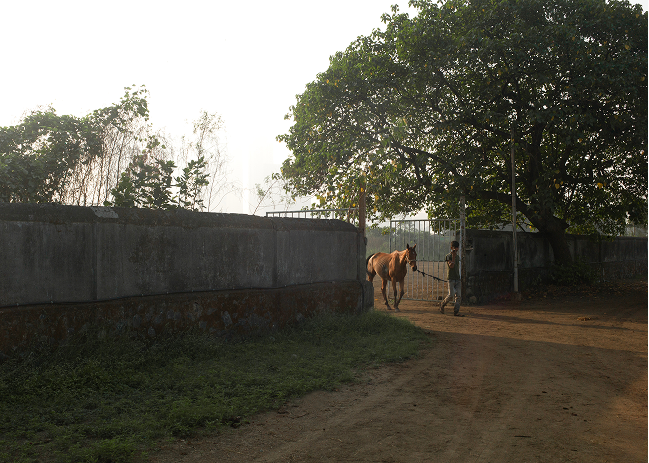
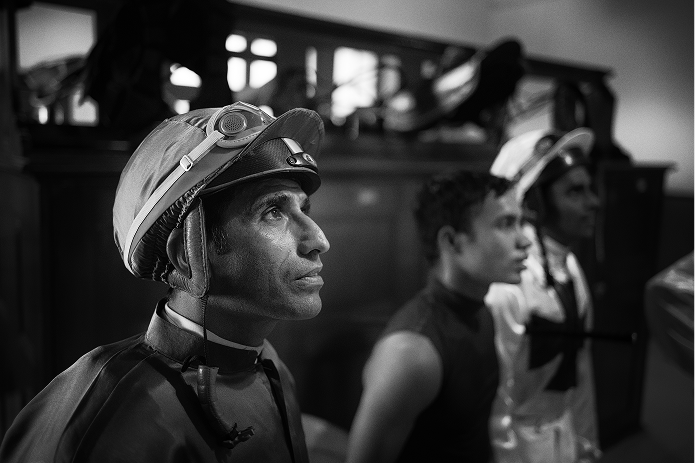
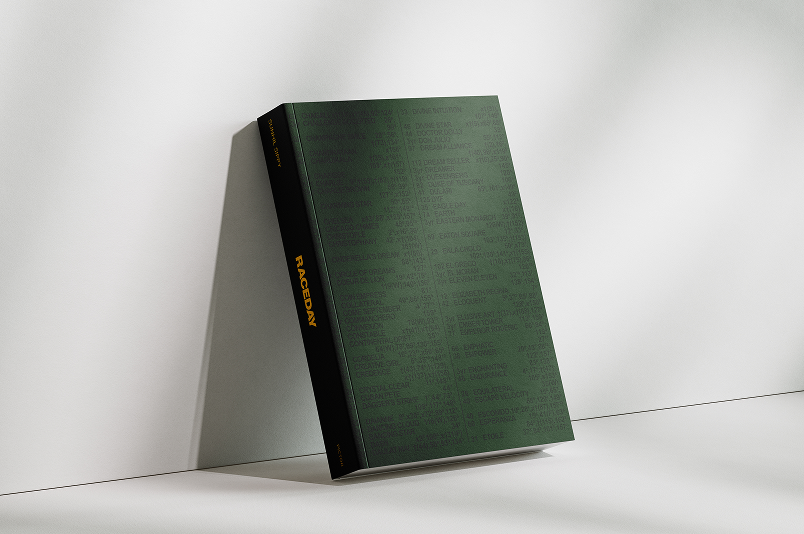
The work that is currently on the anvil and in the design stage is a book called Race Day, a portrait of Mumbai’s iconic Racecourse, created over an 8-10 year period. While I had been photographing the environment randomly since 2013, my practice became more formal in 2015 after meeting and gaining support and encouragement from Subaag Singh and Shujaat Hussain, two senior most racing trainers. They gave me incredible access to the inner workings of racing – the jockey room, stables, equestrian bathing areas, and I was even able to photograph from the jeep that travels alongside the horses during the race.
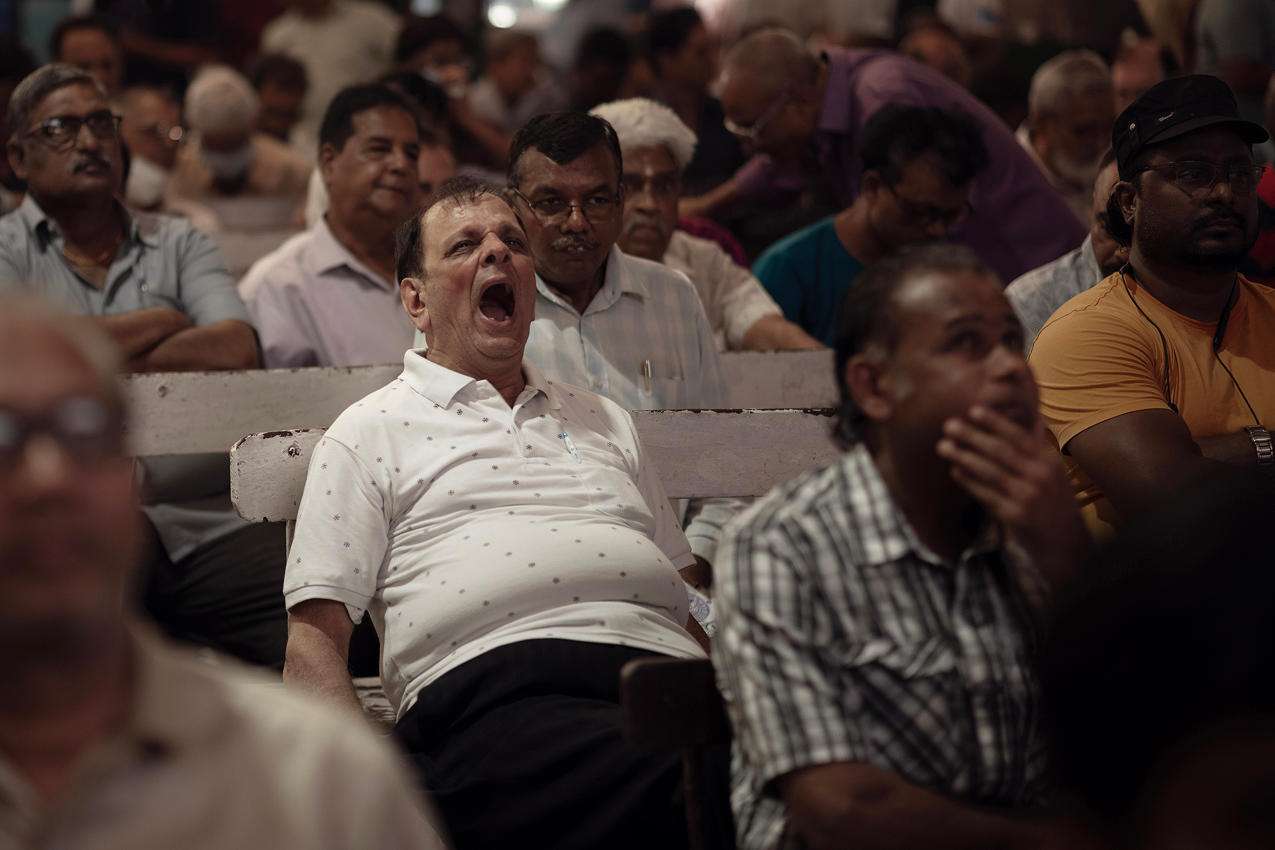
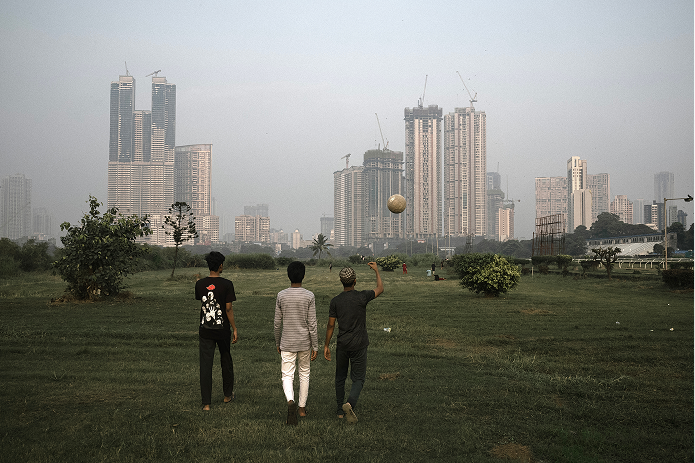
My work on the racing itself was patchy and sporadic; 2015 and 2016 were active, but I only returned to these “closed-off” areas in 2023 and 2024. In between, I focused on the public – the gamblers – observing the other side of the sport, which many perceive as a time-pass distraction of the elite. In reality, racing is a world driven by passion from trainers, jockeys, stable hands, horse owners, and gamblers, with immense politics surrounding the geographic space itself.
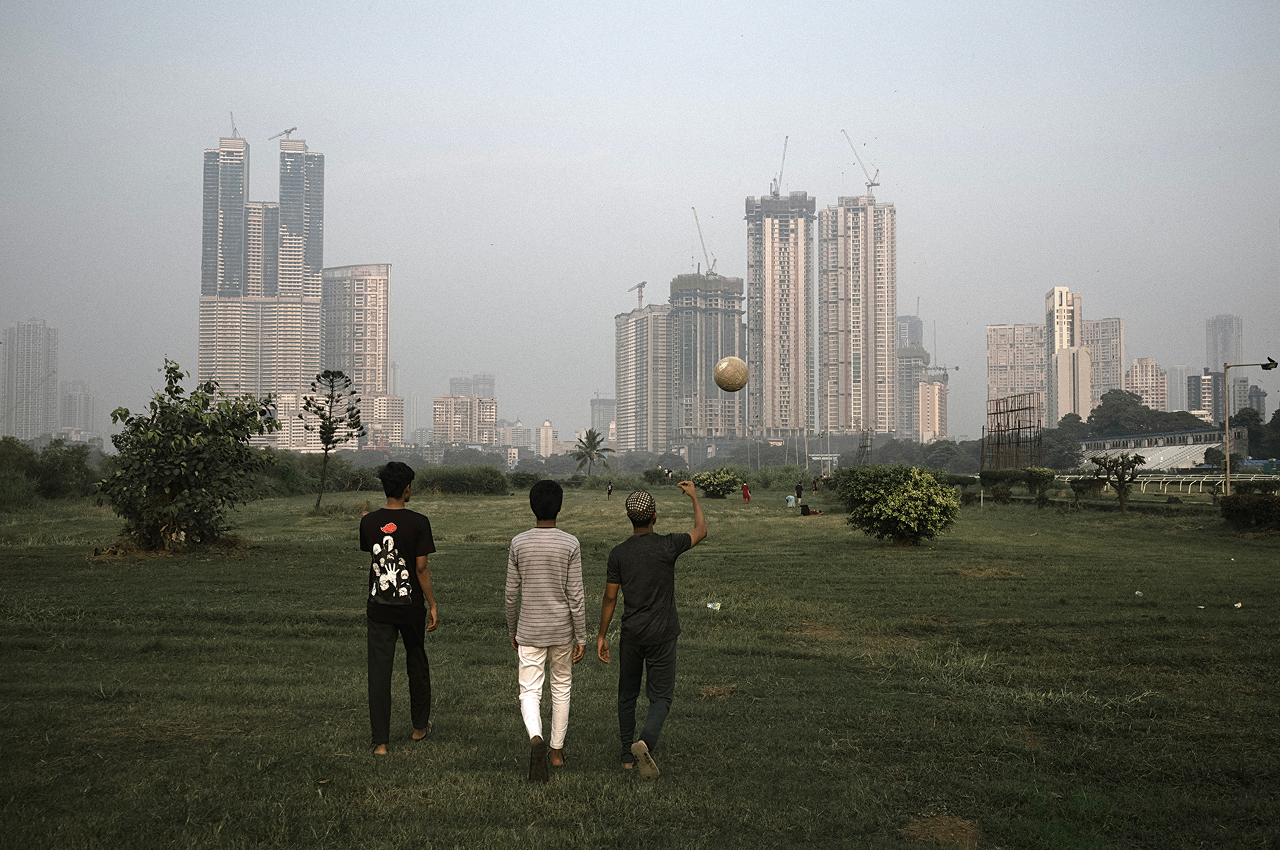
Living nearby helped, as I recorded how the public space interacts with racing on my morning and evening walks. As this volume comes together, it has several layers that are challenging to combine into a cohesive narrative, but I do enjoy challenges! I hope the final book will merge all these worlds sensibly.

RACEDAY
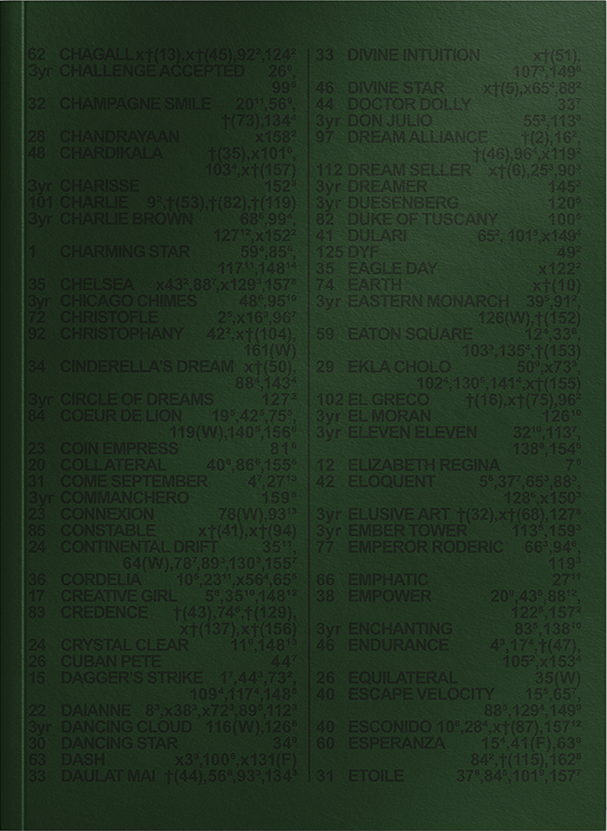
9.05 x 11.85 inches | 304 pp Hardback
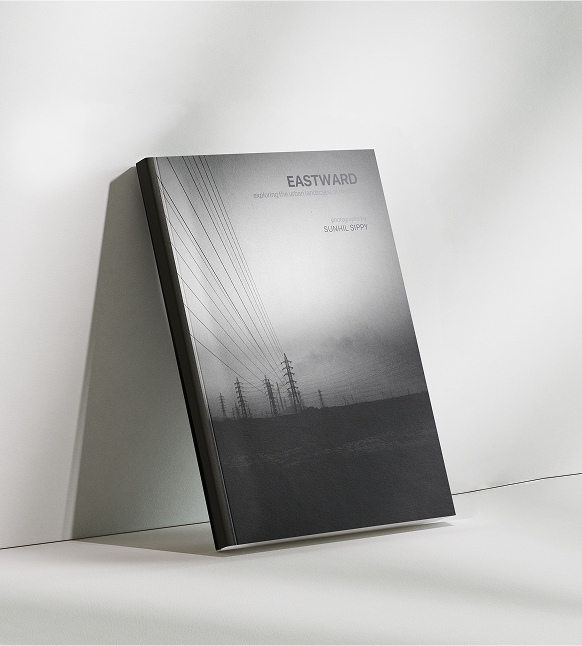
Interwoven throughout the photobook is a first-person ESSAY by photographer Sunhil Sippy, unfolding rather like a personal diary that accompanies the images. The book comes in an elegant slipcase and includes three inserts:
GAMBLER’s BOOKLET
A booklet written by racing enthusiast, Shiven Surendranath—designed around the infamous “Cole” racing booklet published every Race Day with information pertaining to each race.
POSITIVE ACETATE SLIDES
An envelope containing 6 slides made from a series of medium format black and white negatives
GLOSSARY & OTHER ESSAYS
Includes a personal essay by writer/curator Veeranganakumari Solanki and excerpts from an interview with Sr. RWITC Trainer Subhag Singh.
RACEDAY is designed by Zeenat Kulavoor and her team at Bombay Duck Designs.
by Sunhil Sippy


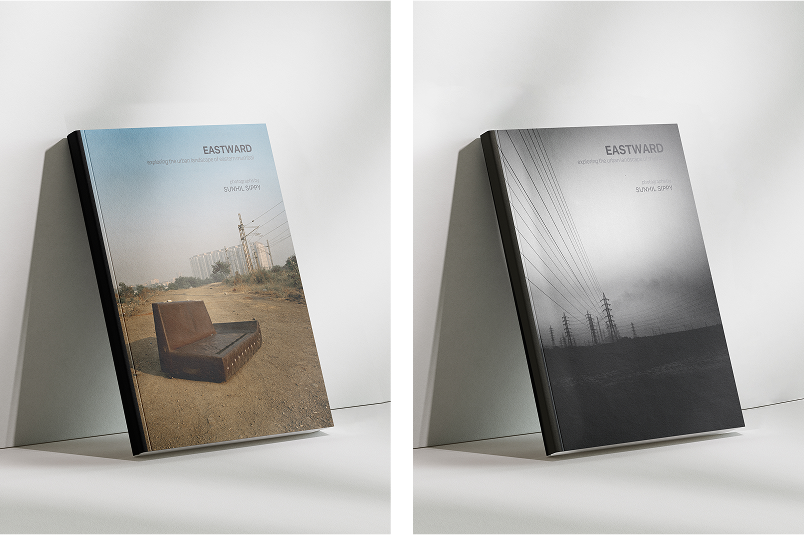
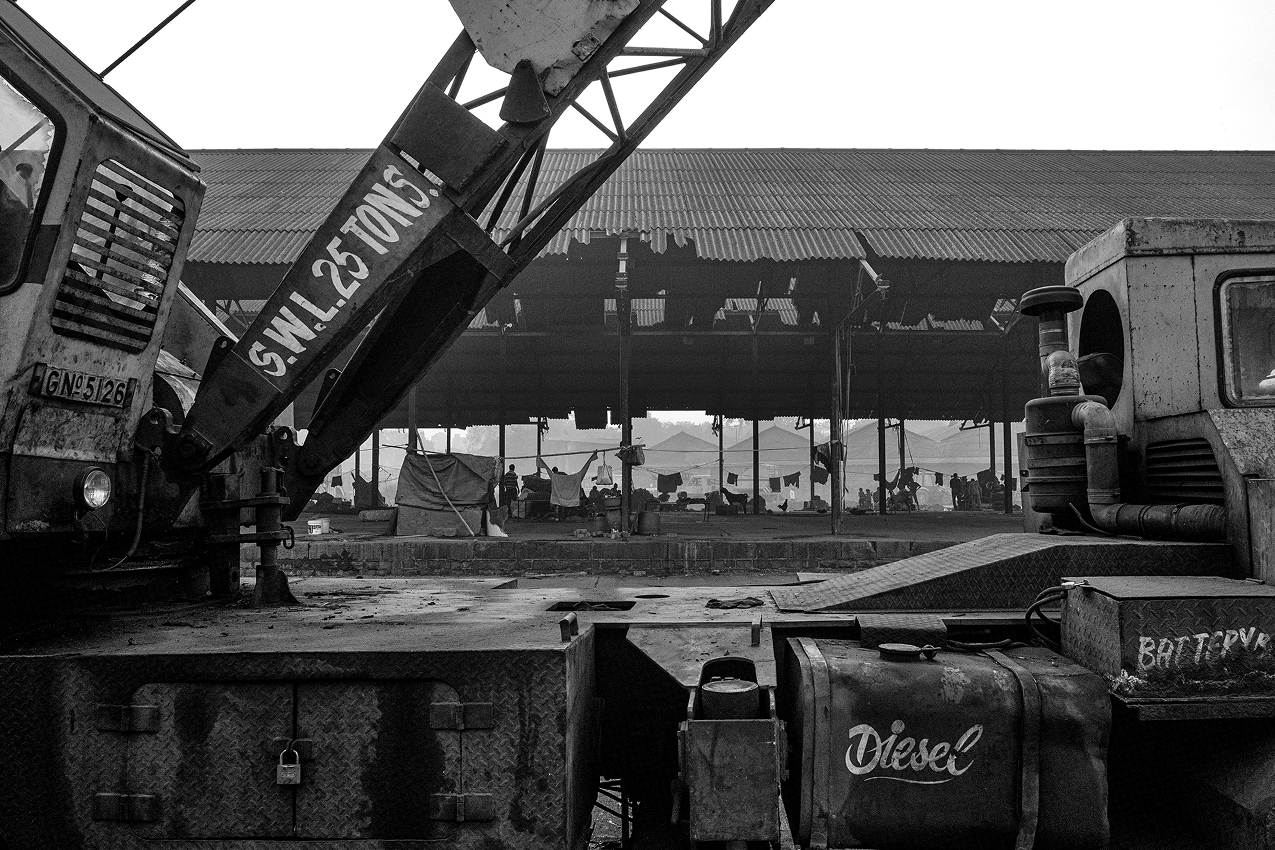
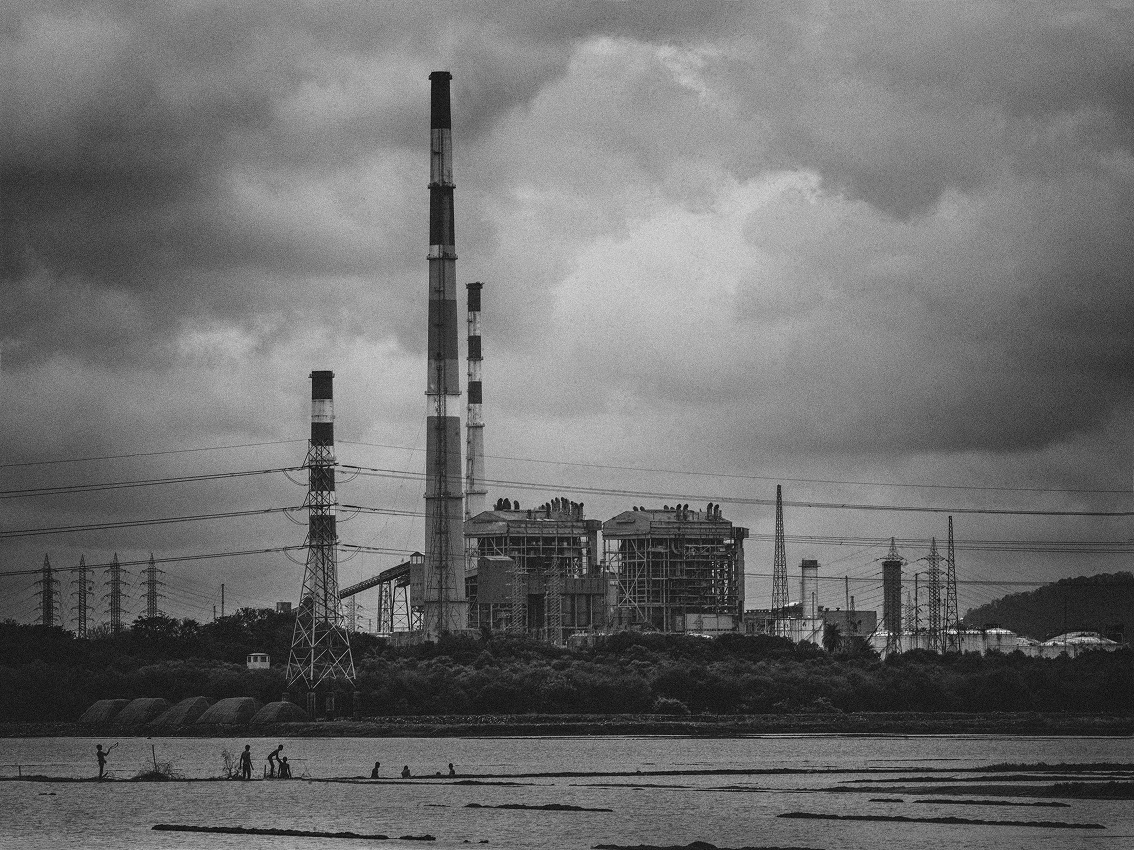
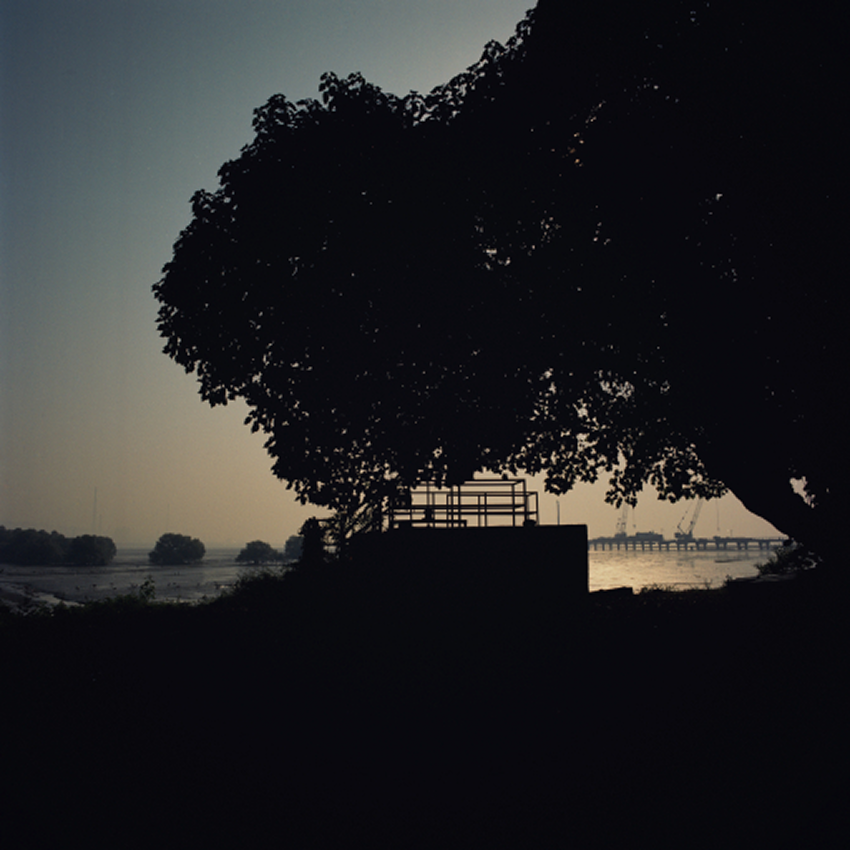
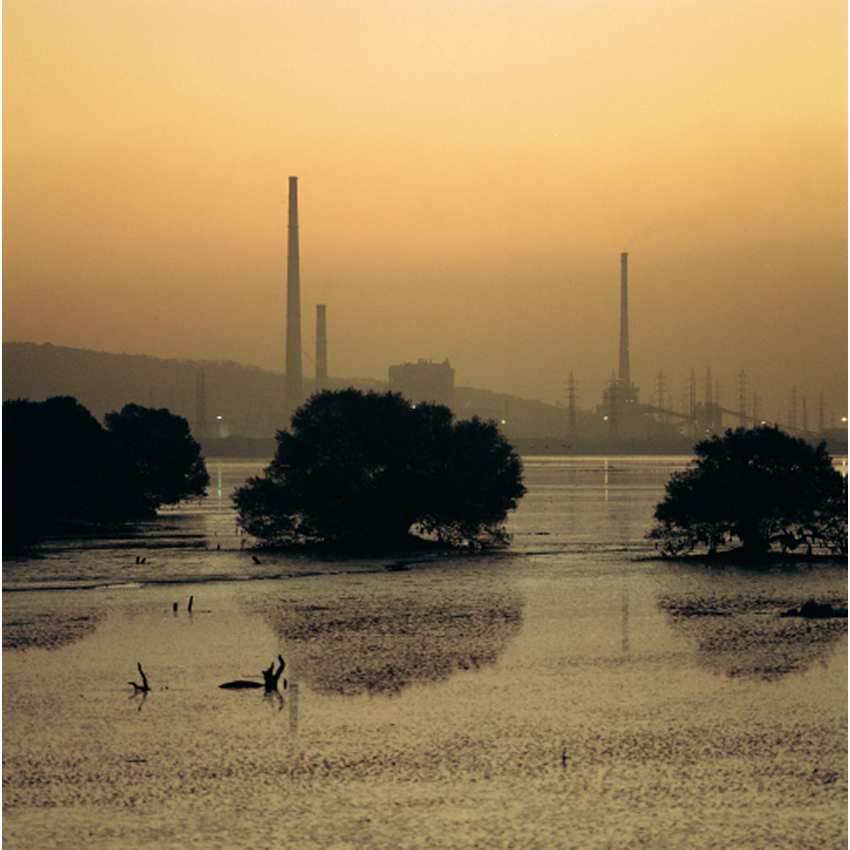
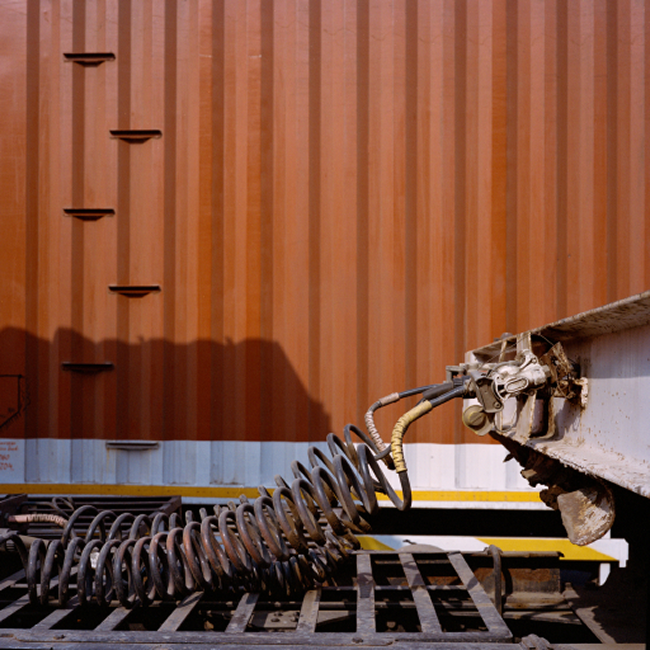
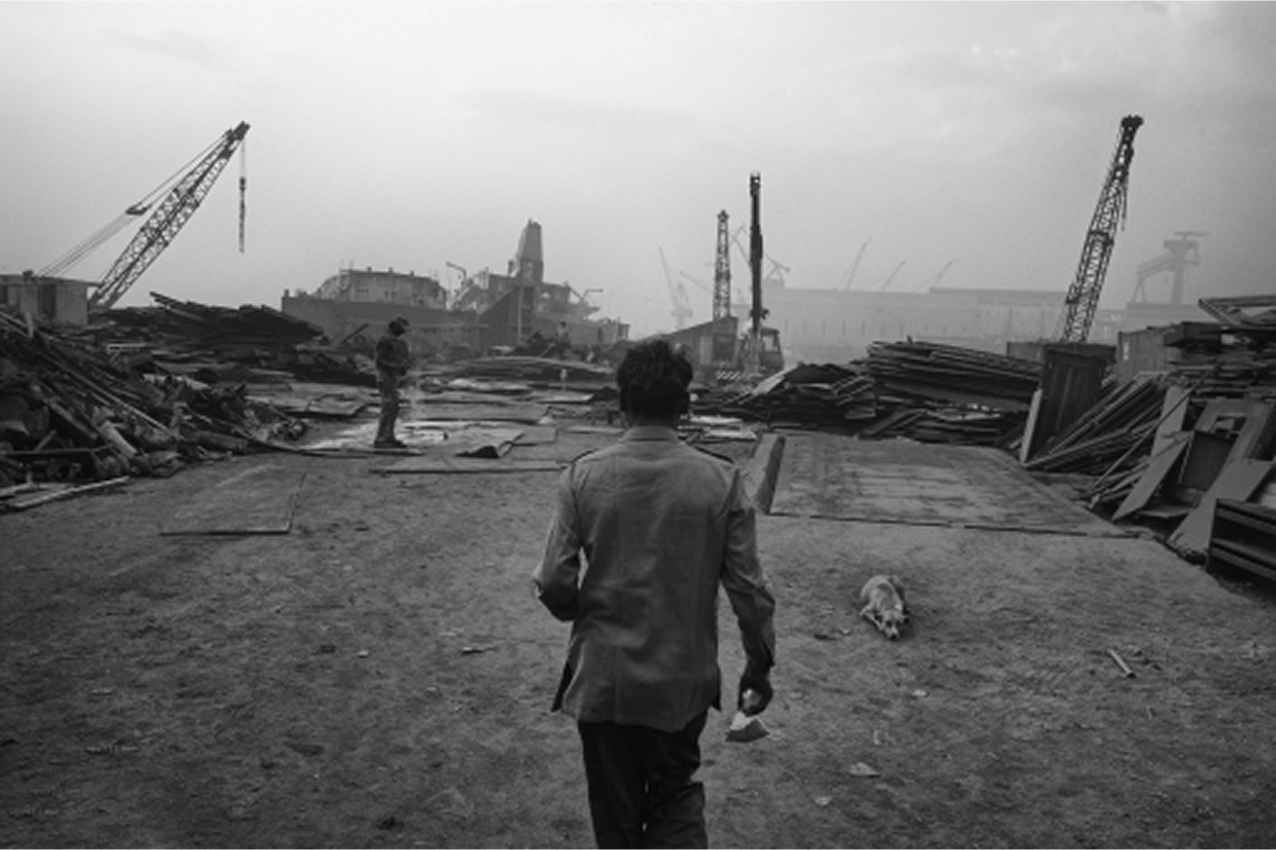
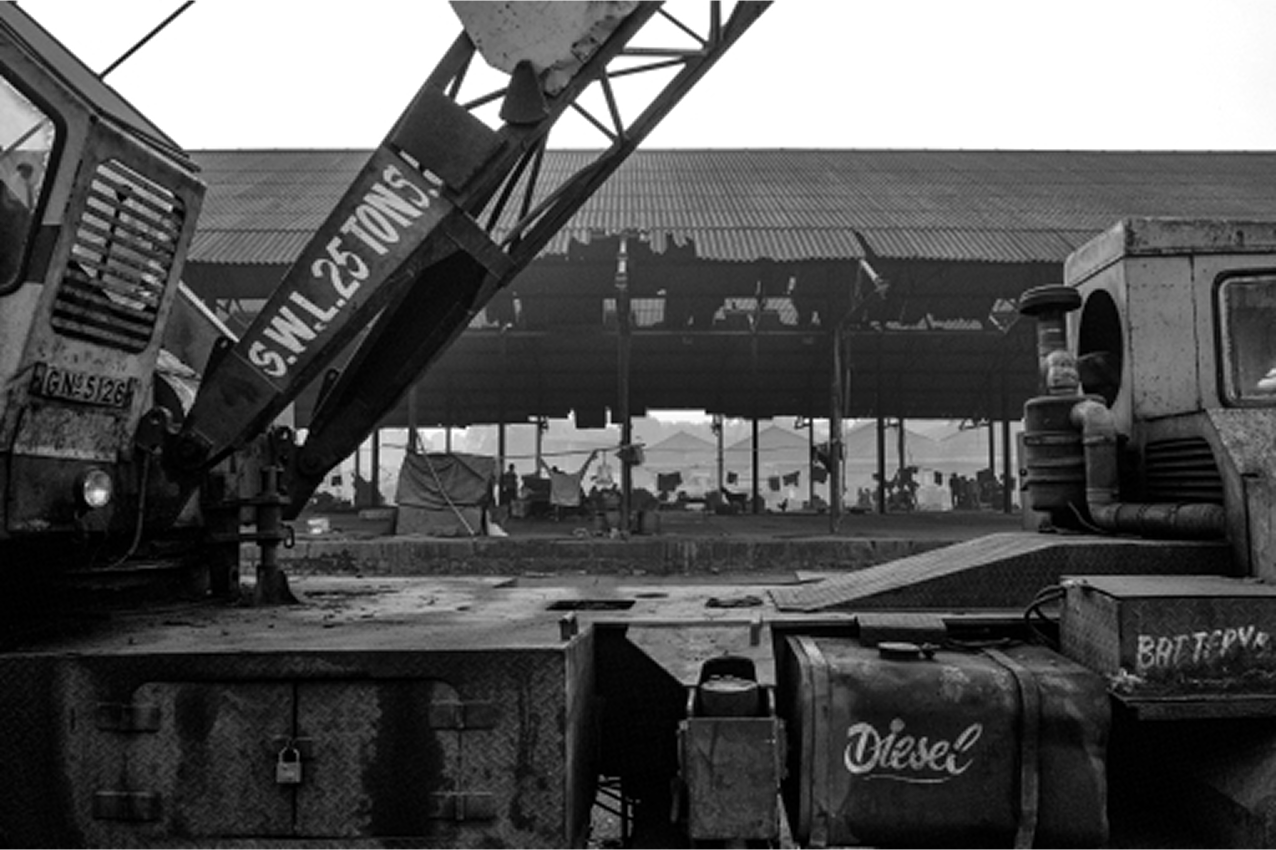
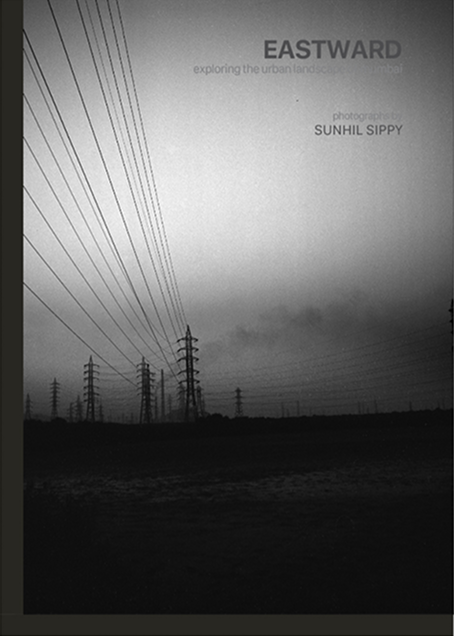
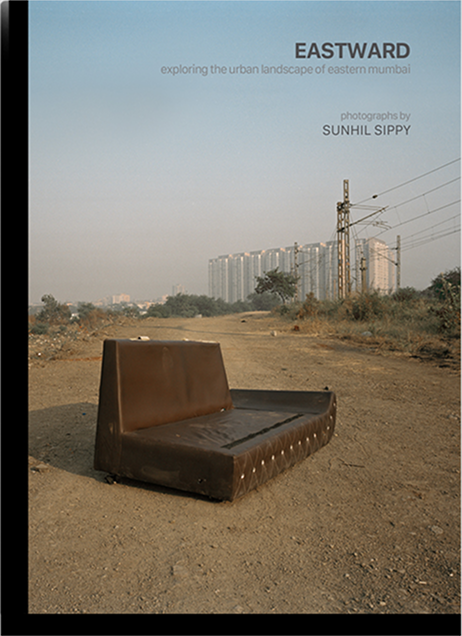
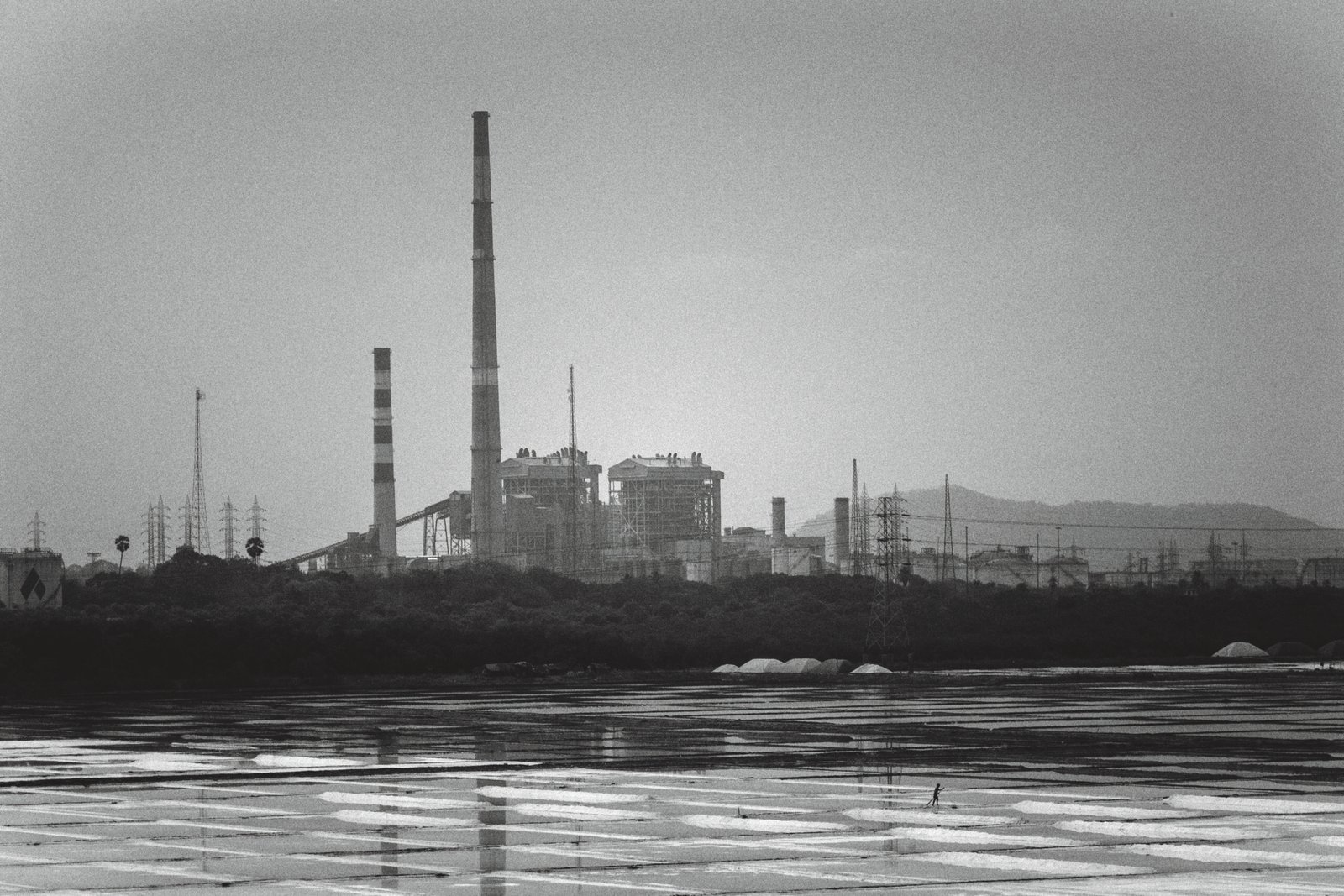
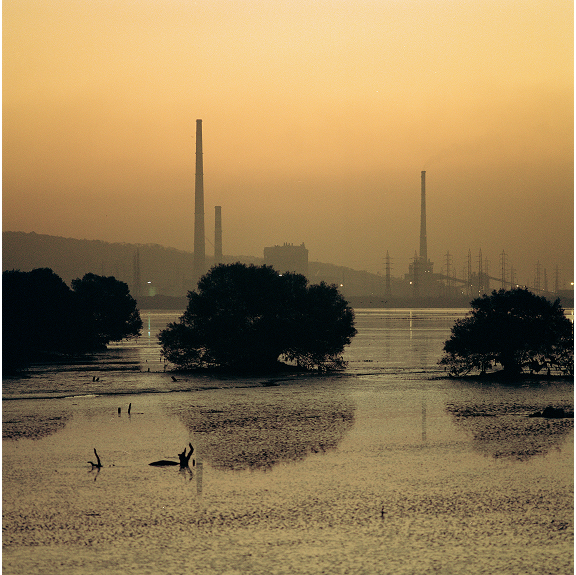
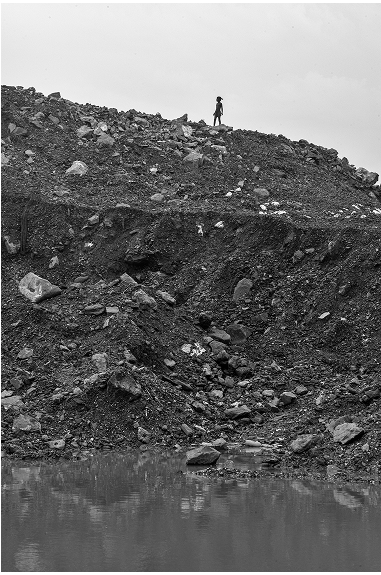
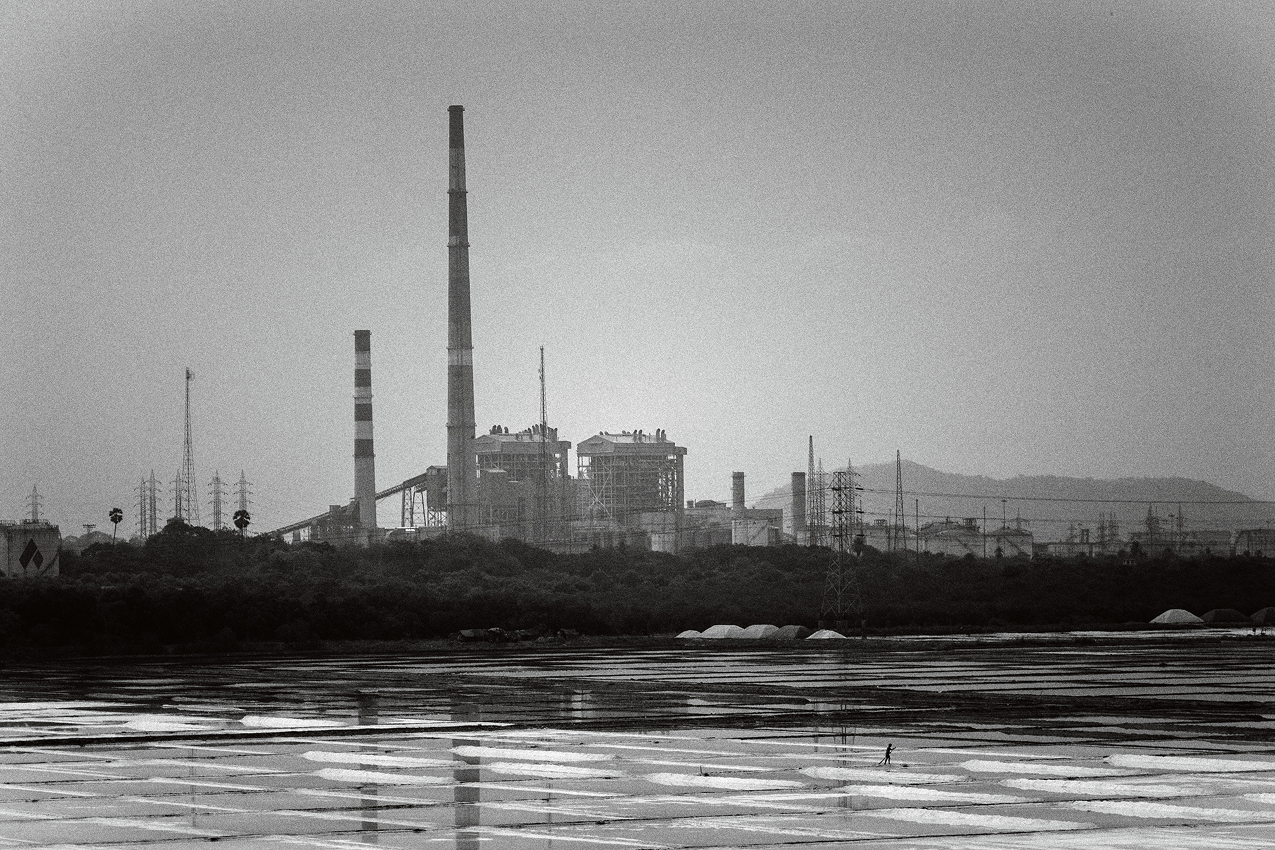
A visit to Kalwa in the early 1990s remains etched in Sunhil’s mind. An excursion with his maternal grandmother to a dormant billet-making steel plant, once a keystone of his grandfather’s steel business. Established in the 1970s, the Krishna Steel factory once thrived, only to falter in the turbulence of the 1980s, brought down by economic shifts and the fiery labour movements led by figures like Datta Samant. The fall of Krishna Steel was not just the collapse of an enterprise but a microcosm of Mumbai’s changing industrial fabric.

“One night after yet another immobile day I decided to go for a post-dinner walk. Wrapped in my woollen blue coat I ventured out into the street, the cold, the wind. It was past eleven and few people were out, and those who were disappeared into their hats and scarves, less face than accessory. I turned left and then right, weighing up the benefits of either direction. To the left lay a busy street to the right a quieter one. A plastic bag blew past. I decided to follow it. The wind whipped it up and then sucked it back down, then buffeted it one way and another. The bag led me into the quietest street where the only other pedestrian was a figure in a torn raincoat, and one of those dark city angels who appear like holograms only to disappear a second later.”
Excerpt from – “Dialogue with a Somnambulist” by Chloe Aridjis
Excerpt From Uncommon
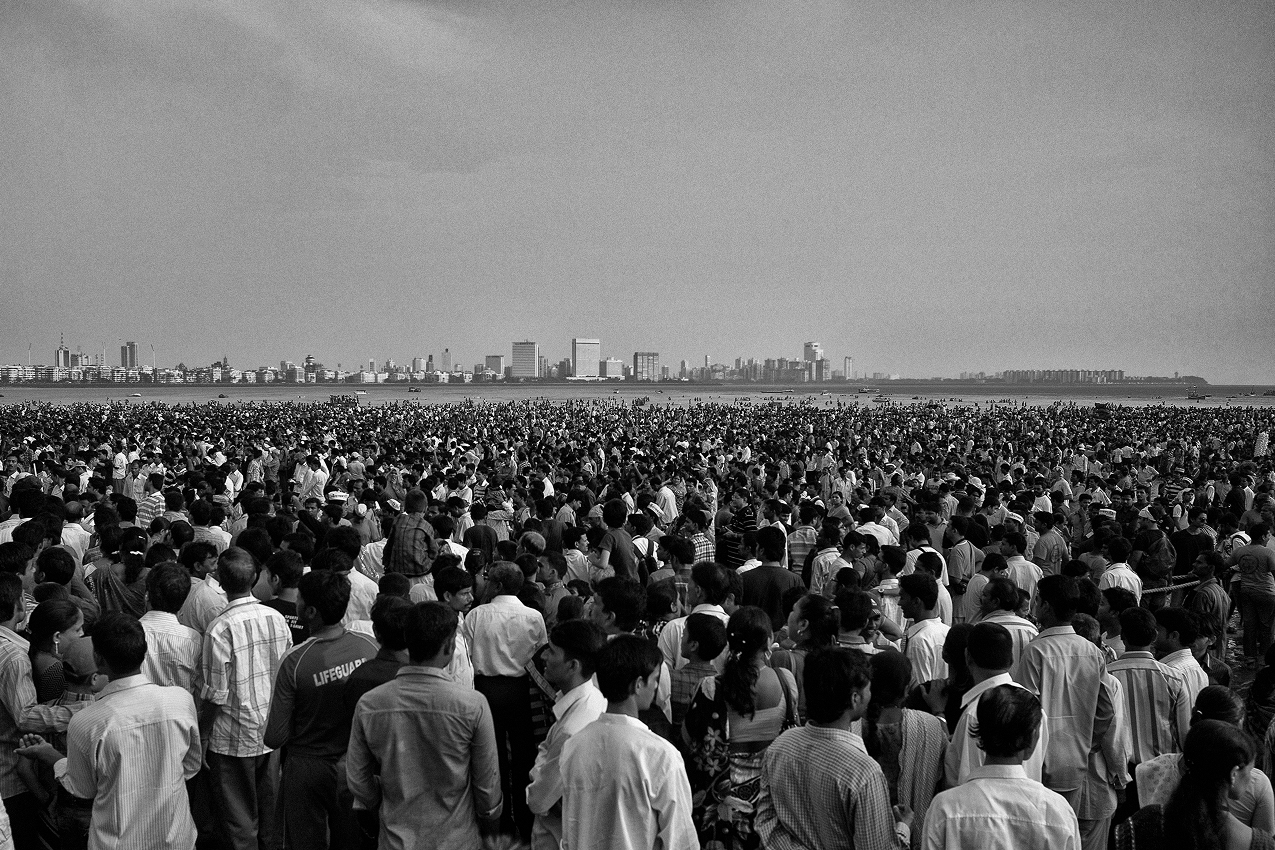
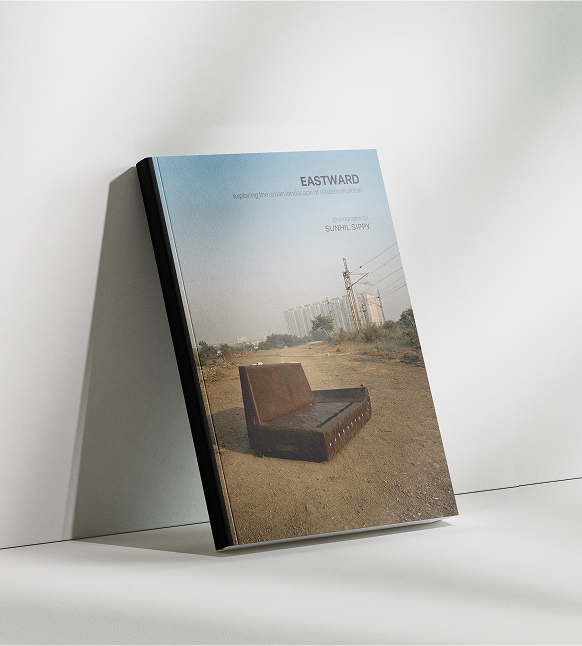
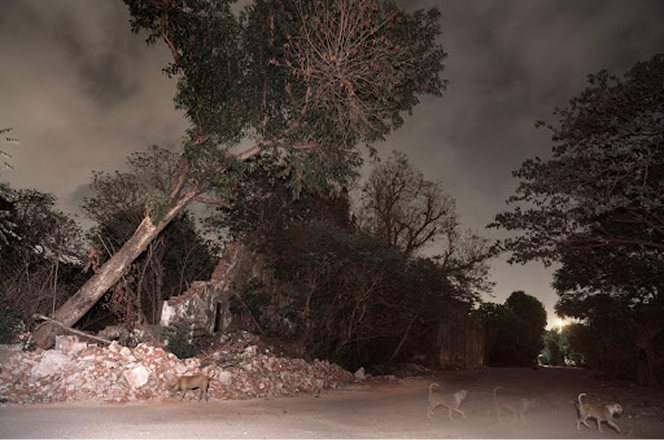
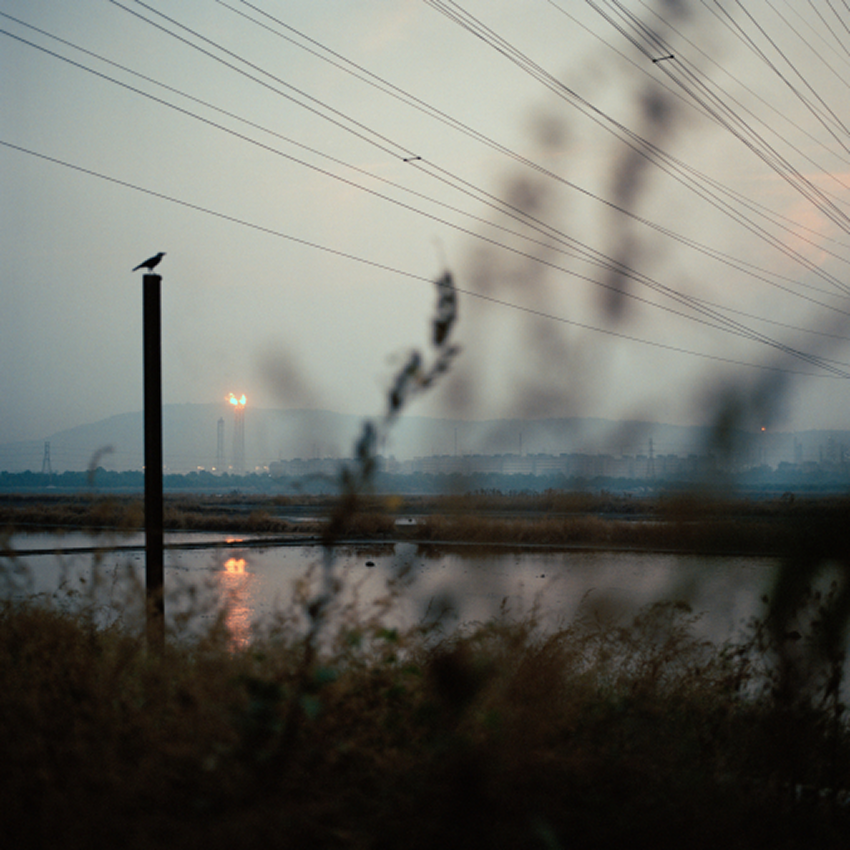
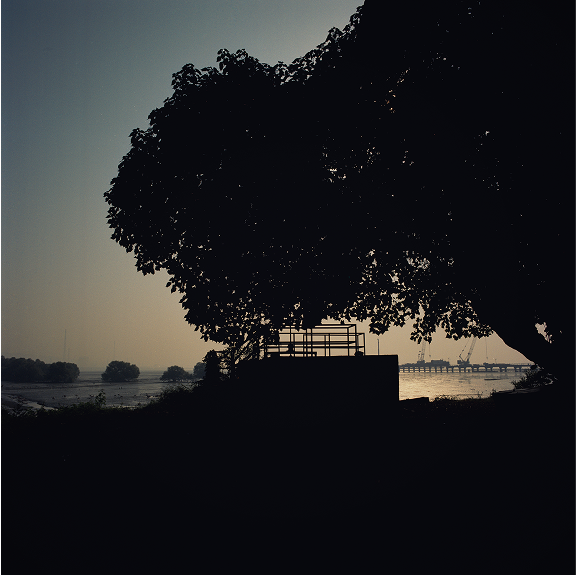
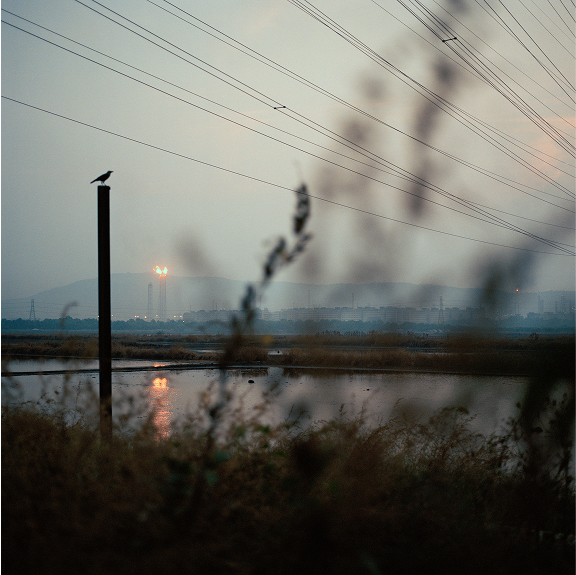
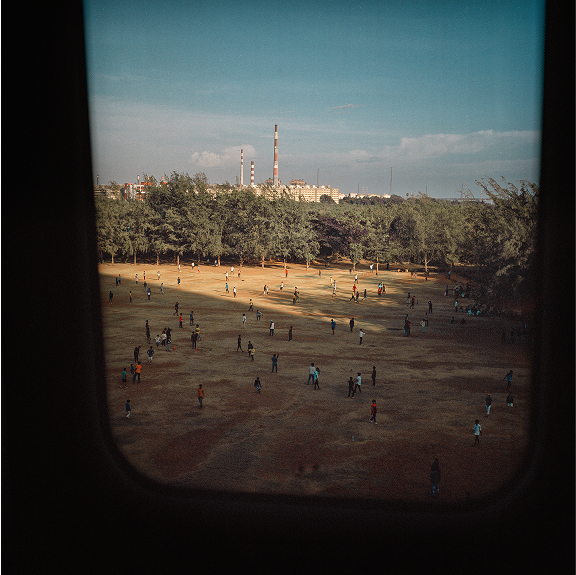
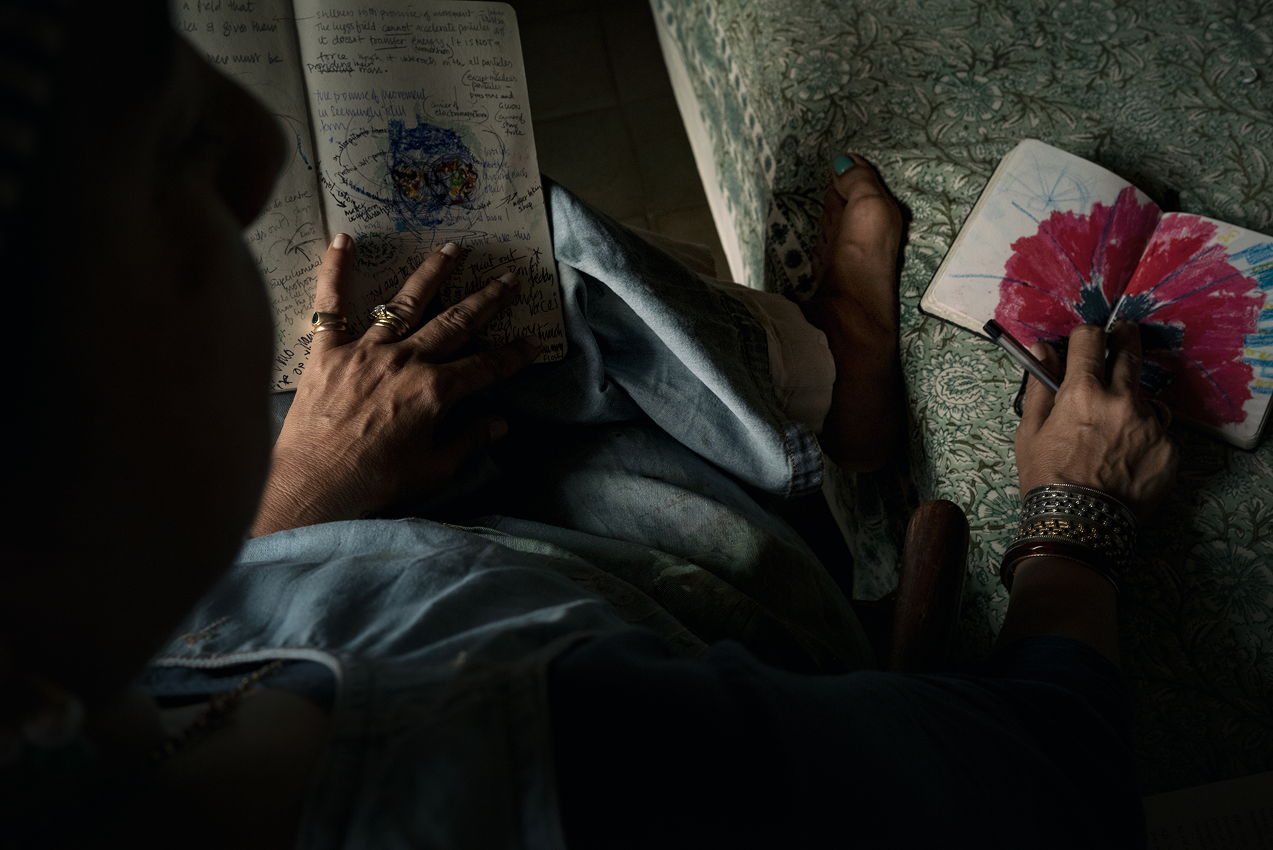
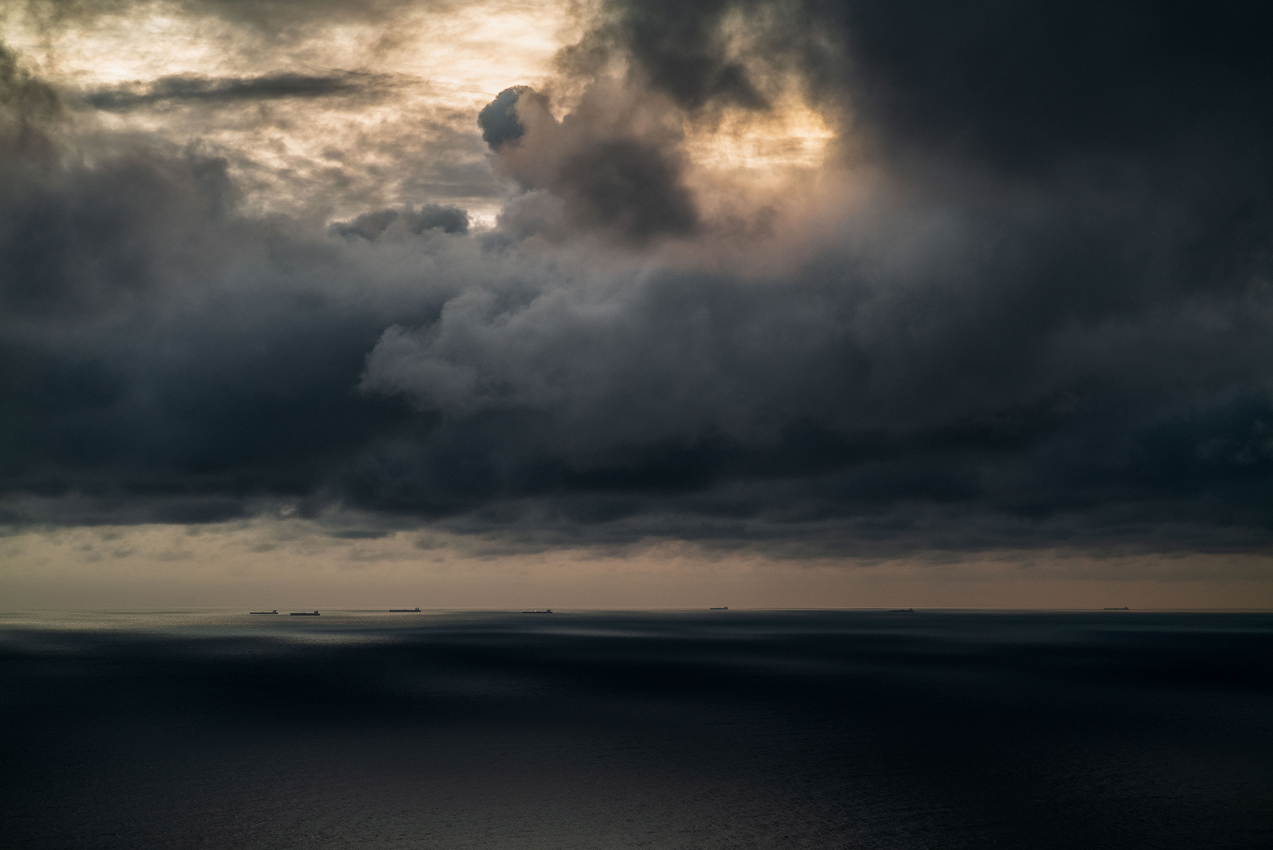
I started reading the book this evening, as I’ve been a huge fan of her two other books – Asunder and Book of Clouds. As I read this paragraph, I reflected on my terrible sleep issues, and tried to laugh at the title, despite how much anxiety this condition causes – and I reflected on my 3 a.m. sleepwalk through Cotton Green this morning. While I’ve been photographing the area for years, I stumbled upon a hidden part a few weeks ago, made some analog work but knew I needed to return. Thinking about the morning now, I truly felt like a somnambulist, and if it weren’t for the barking dogs always on my tail, I would certainly have been sleepwalking. The images though, for me at least, are from a dream.
What is currently inspiring you, and are there any contemporary photographers who influence your work?
I am currently inspired by a combination of writings by Robert Adams and Rainer Maria Rilke – Adams, a photographer, and Rilke, a philosopher. You could argue Adams is as philosophical in his writings on photography as Rilke is about creating art. Adams provides a sense of reassurance, allowing me to embrace my lack of clarity and find comfort in my confusion. Rilke’s philosophy of patience has helped me let my narratives evolve naturally, without pressure.
There is also the cinema of the 60’s, 70’s and 80s that has surreptitiously crept into my world, and over which I am obsessing. Film making in the pre-digital era was more nuanced, with the voices of individual film makers bursting through with authenticity. The role of the auteur seemed stronger, possibly because it was harder to get work made. This observation applies to photography as well – there were fewer photographers, and individual voices more distinct.
All that said, one of the major distinctions between the two worlds is the concept of the deadline – the photographers would tend to work open-ended and with a great deal of freedom, while film makers were tethered to financiers or studios and had to work fast and under serious pressure – something I have understood well from my own experience.
This understanding, shaped over time, has helped me to believe in my own voice as a contemporary photographer. I’ve also discovered that it’s vital that I not be influenced by contemporary voices as strong as they might be, though it is a joy to admire the work. It’s critical for me to nourish my own spirit in whichever way I can – reading, travel, observation, conversation, study – whatever.
This is so that I can be influenced and guided by my own spirit and inner voice. I have to tune into it, almost as though it were a radio station – but quite often I get horrible static and I have to keep on until it dissipates, so that I can both hear and listen.
Details
Number of pages :
MRP :
Delivery time :
by Sunhil Sippy

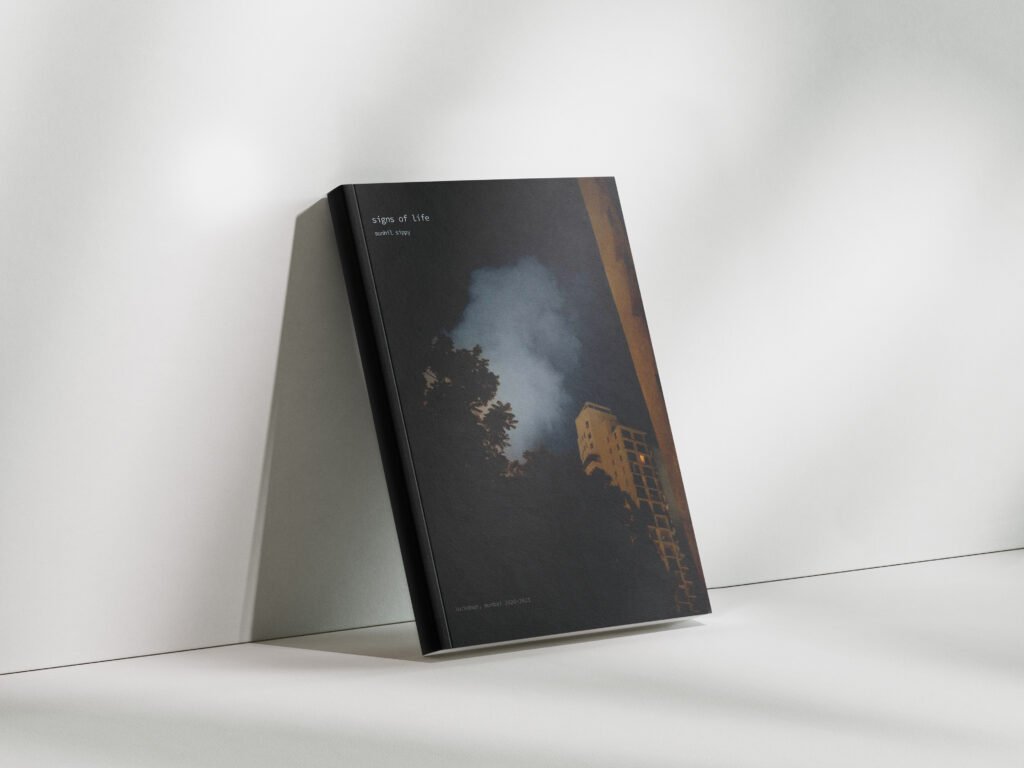
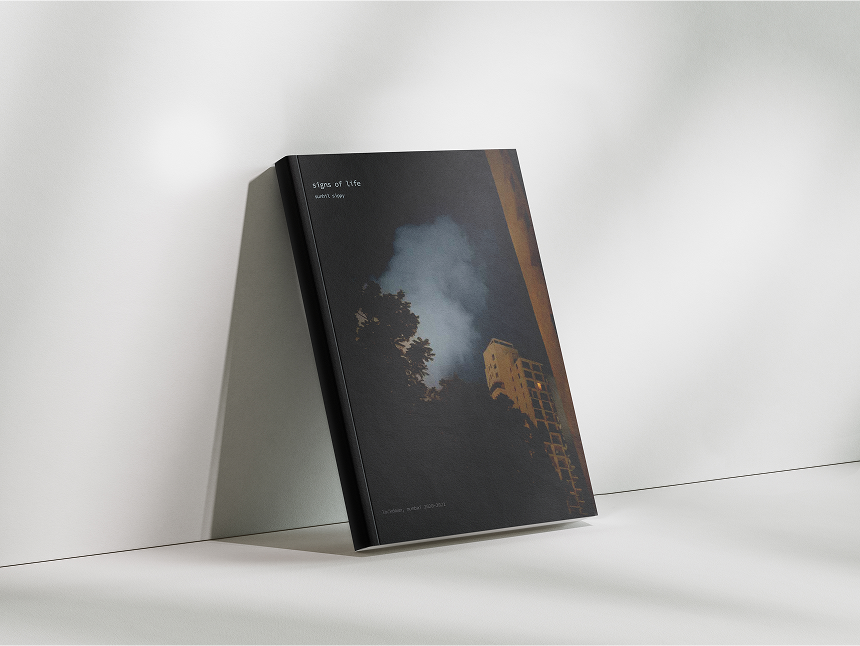
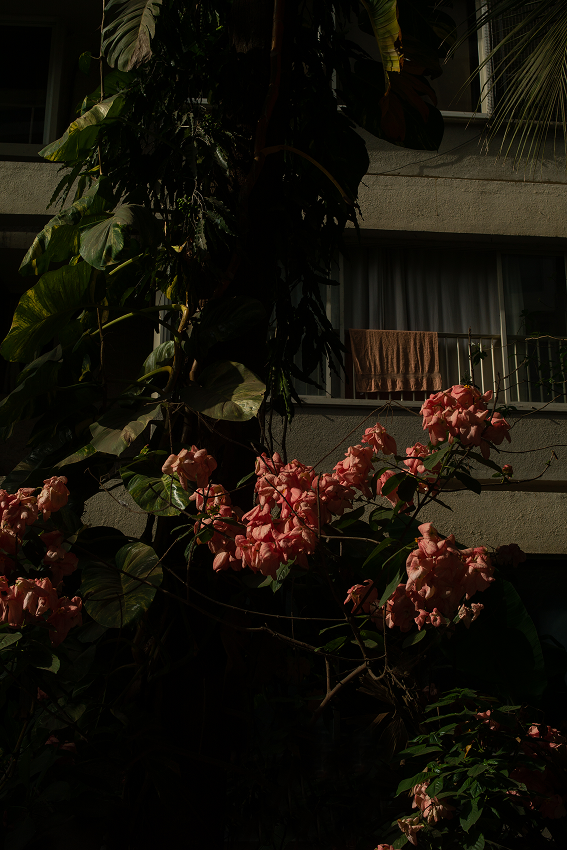
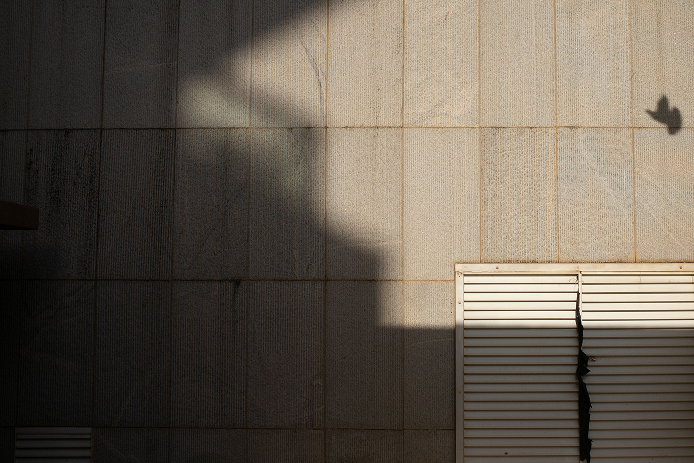
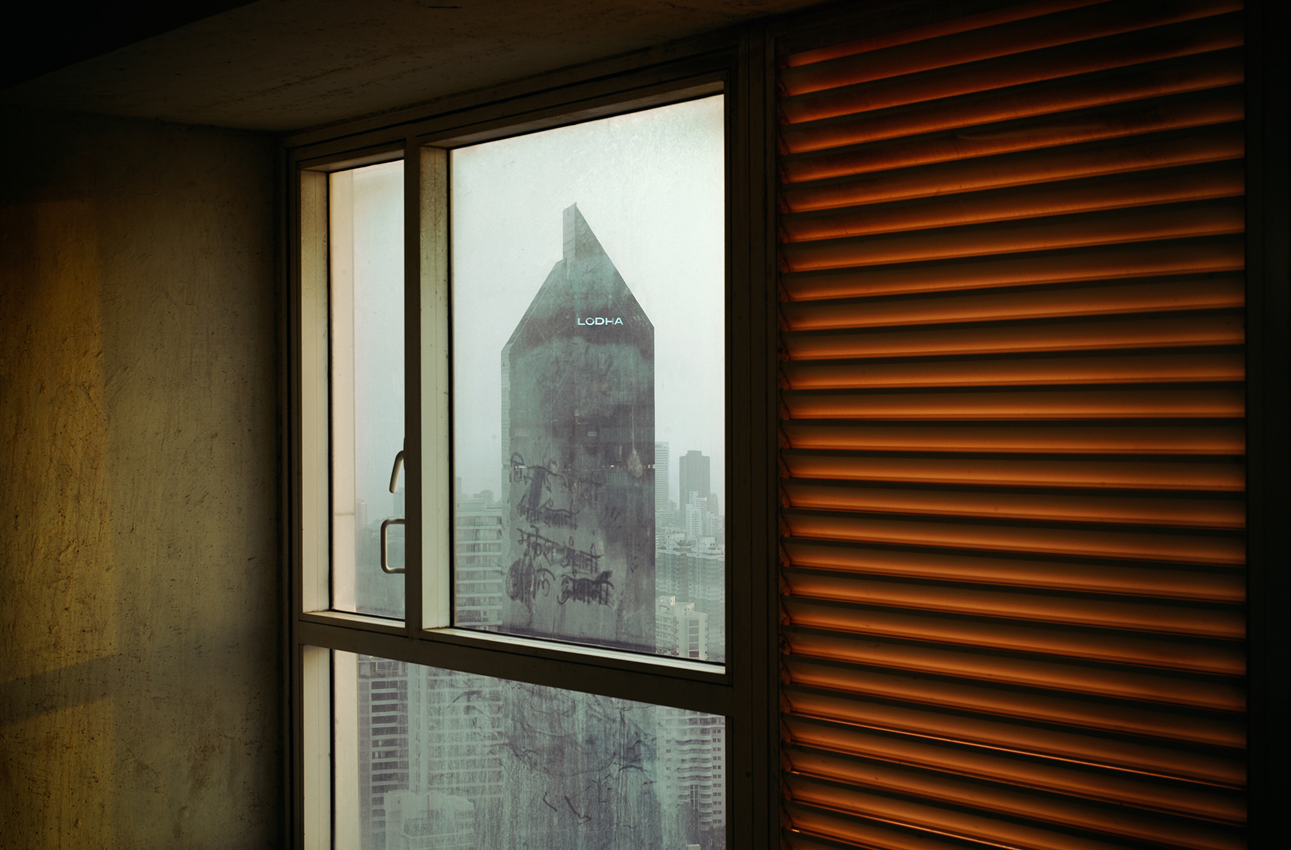
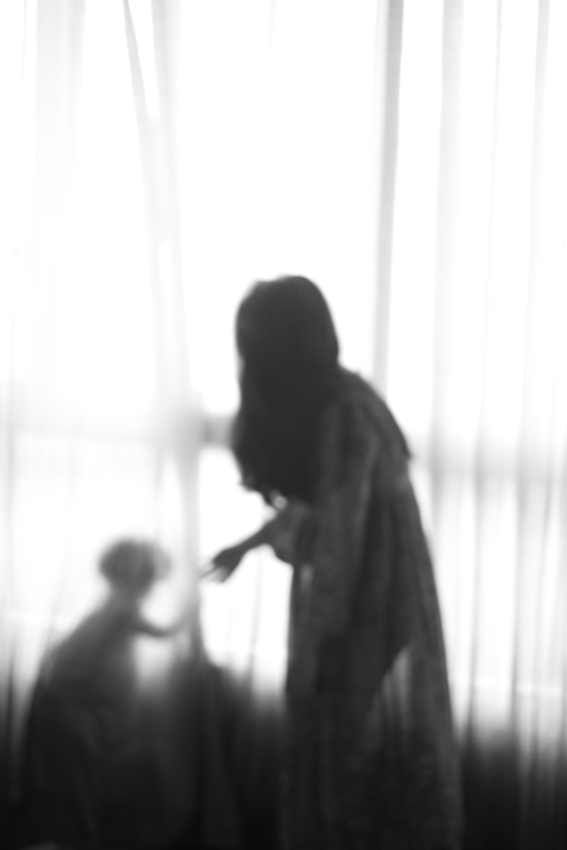
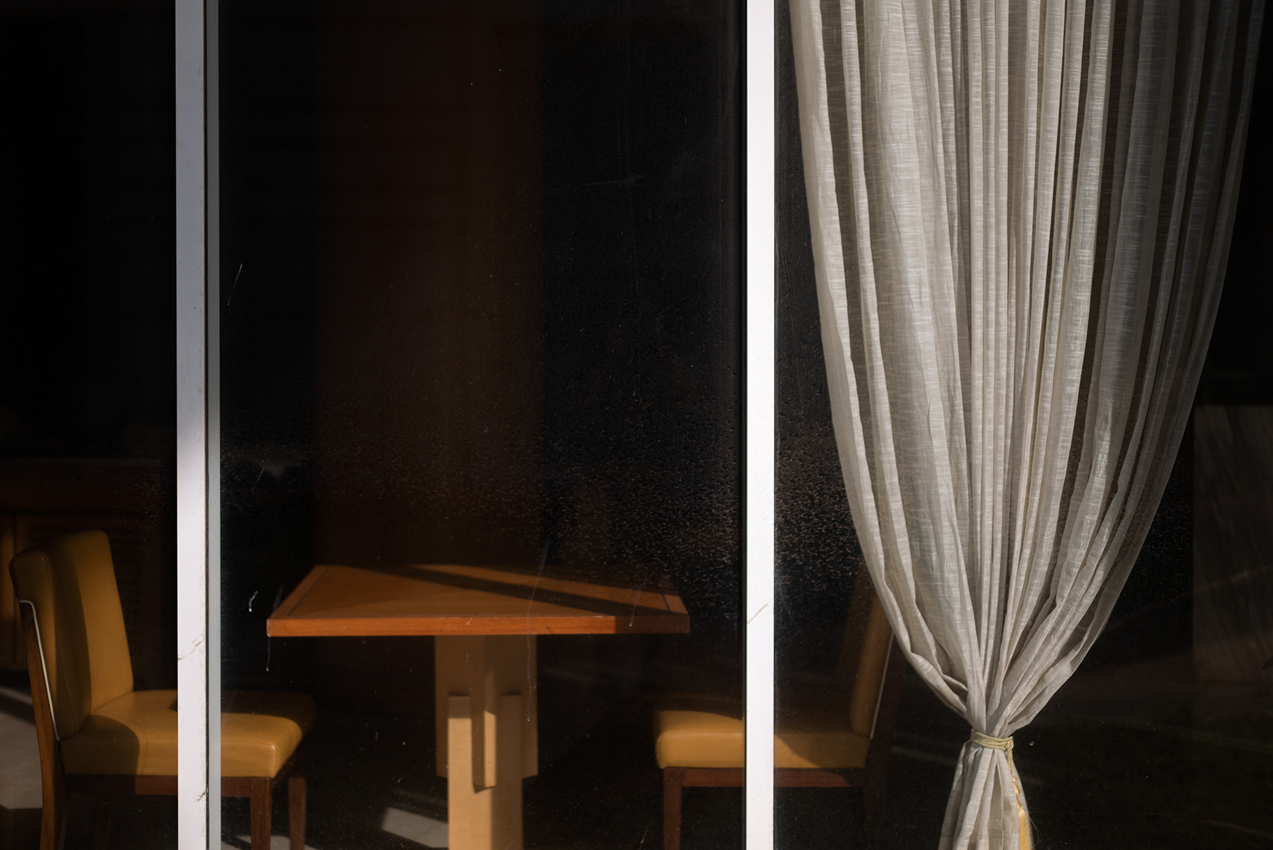
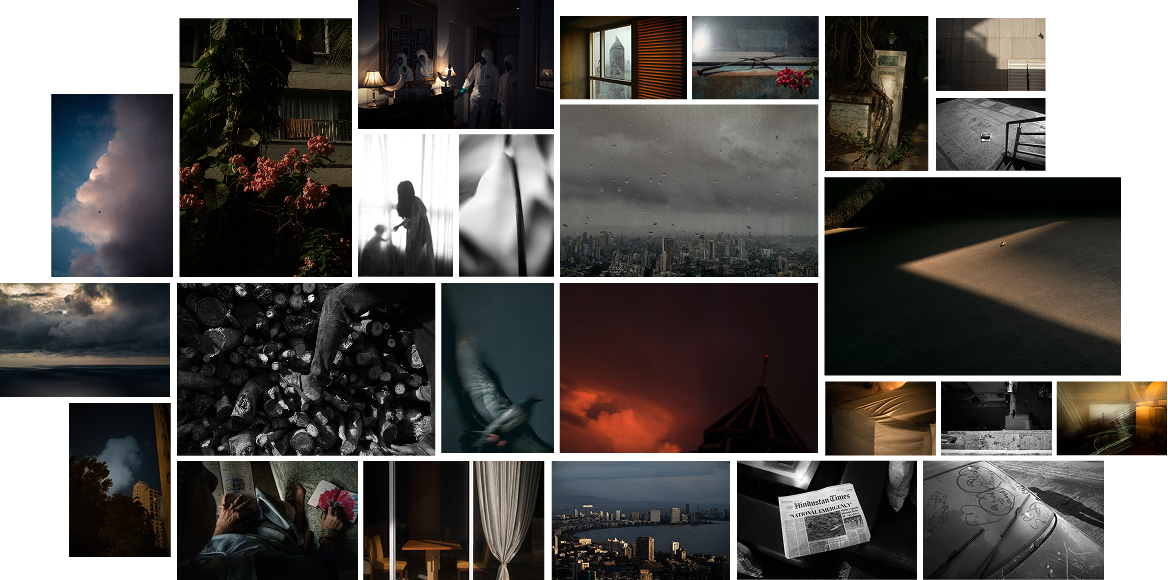
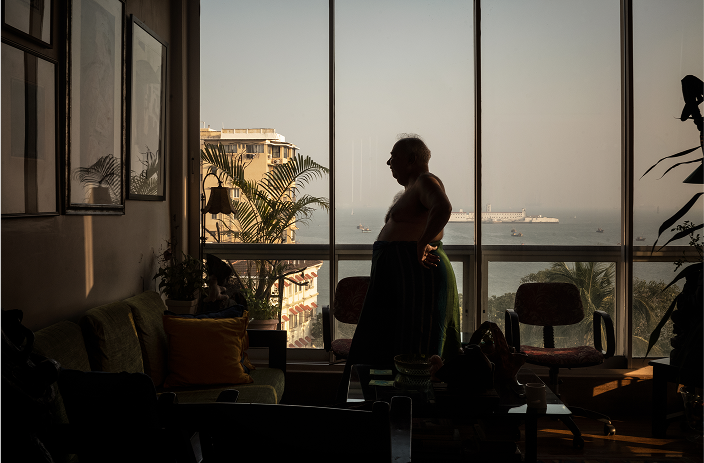
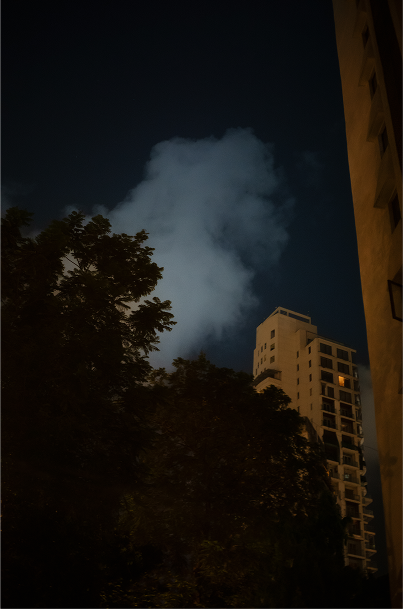
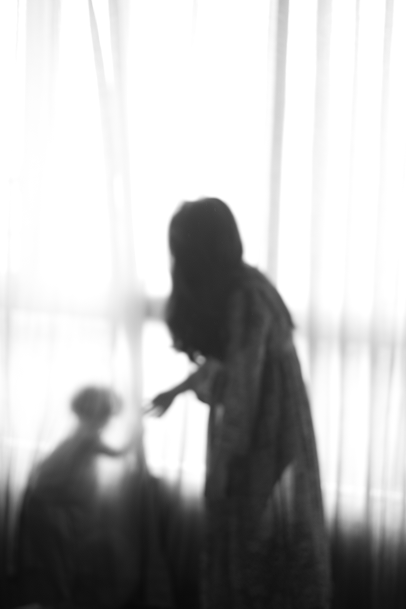
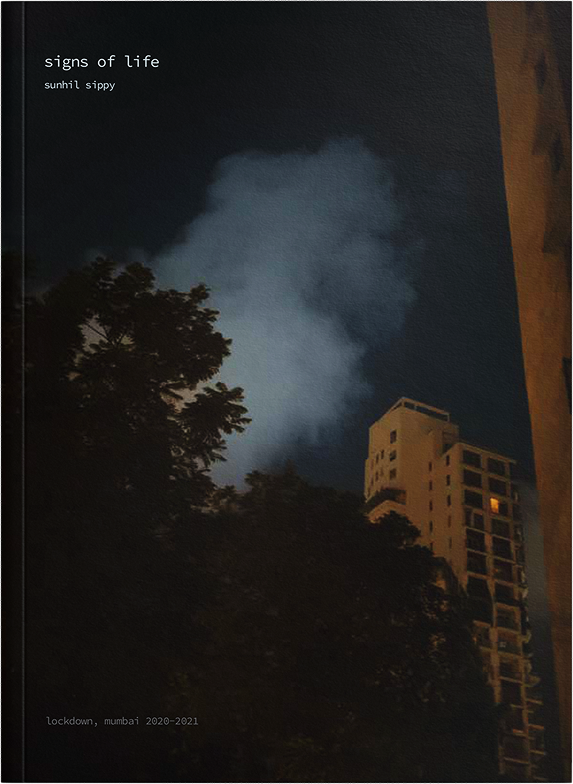
Through windows, behind curtains, across balconies, he captured fragments of lives suspended in isolation, often intimate, quiet, yet pulsing with resilience. The genesis of this work was a short photo story published by Architectural Digest in August 2020.
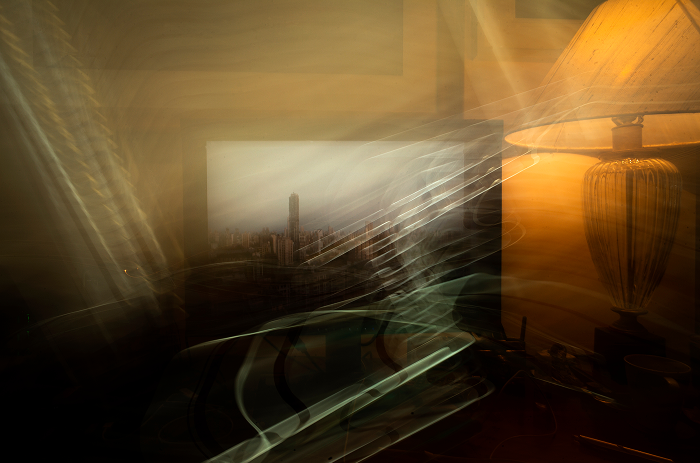
Now, as he revisits these images, he sees them as part of Signs of Life, a project that was shaped by stillness and yet is brimming with movement, revealing the poetry in the unseen, the beauty in the overlooked, and the quiet hum of life persisting against all odds.
To observe the mundane on a regular basis was as challenging and gruelling as it was liberating. Having returned from a magnificent trip photographing in Mexico and Cuba, I had decided to spend the next decade traveling and seeing the world, having spent the previous one dedicated to my career.
But we all know what God does when we make plans.
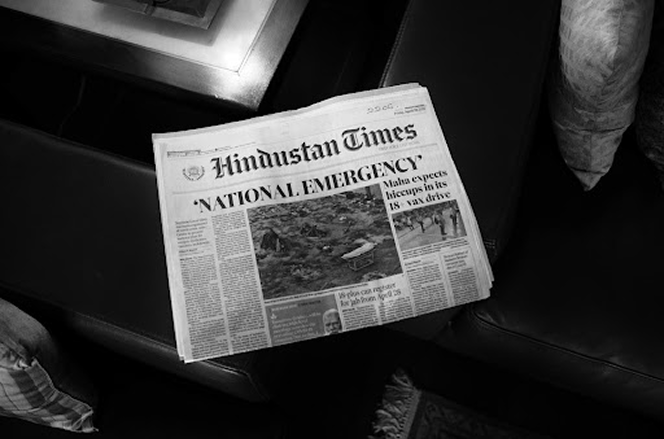
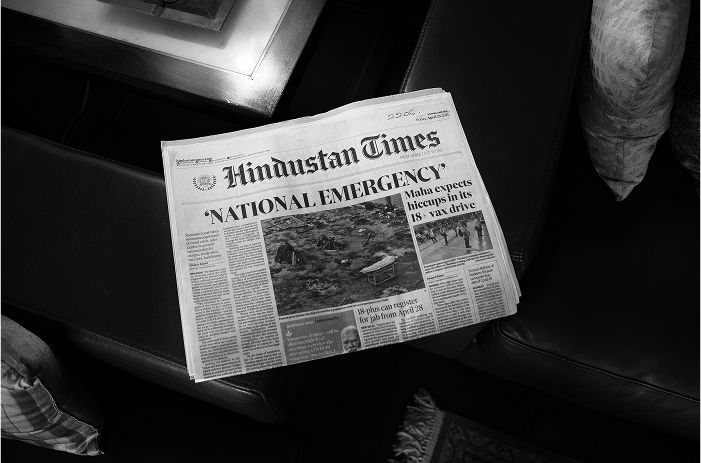
After a year, as the second wave of the pandemic struck India hard, I recognized that this ability to regularly observe and record the dullness around me was both a luxury and a practice that was keeping me both mentally and physically sound.
Confinement is rife with silver linings.
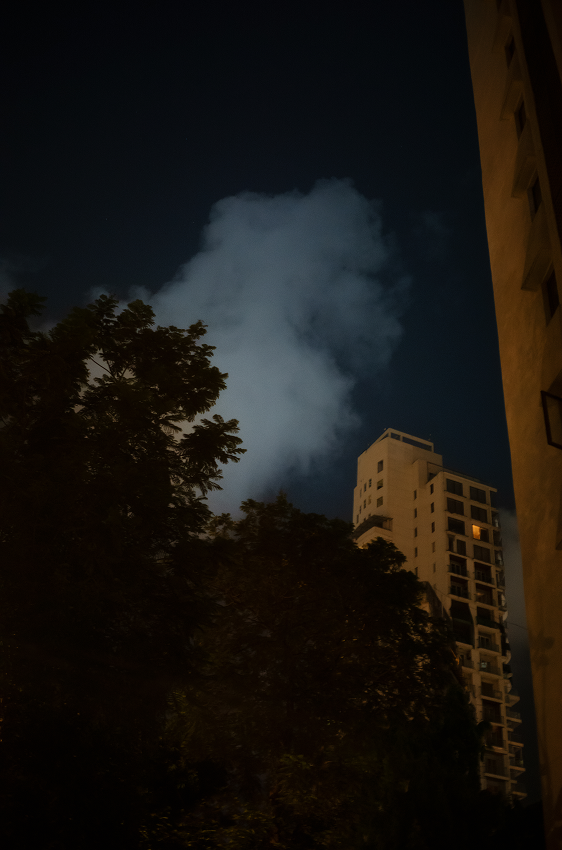
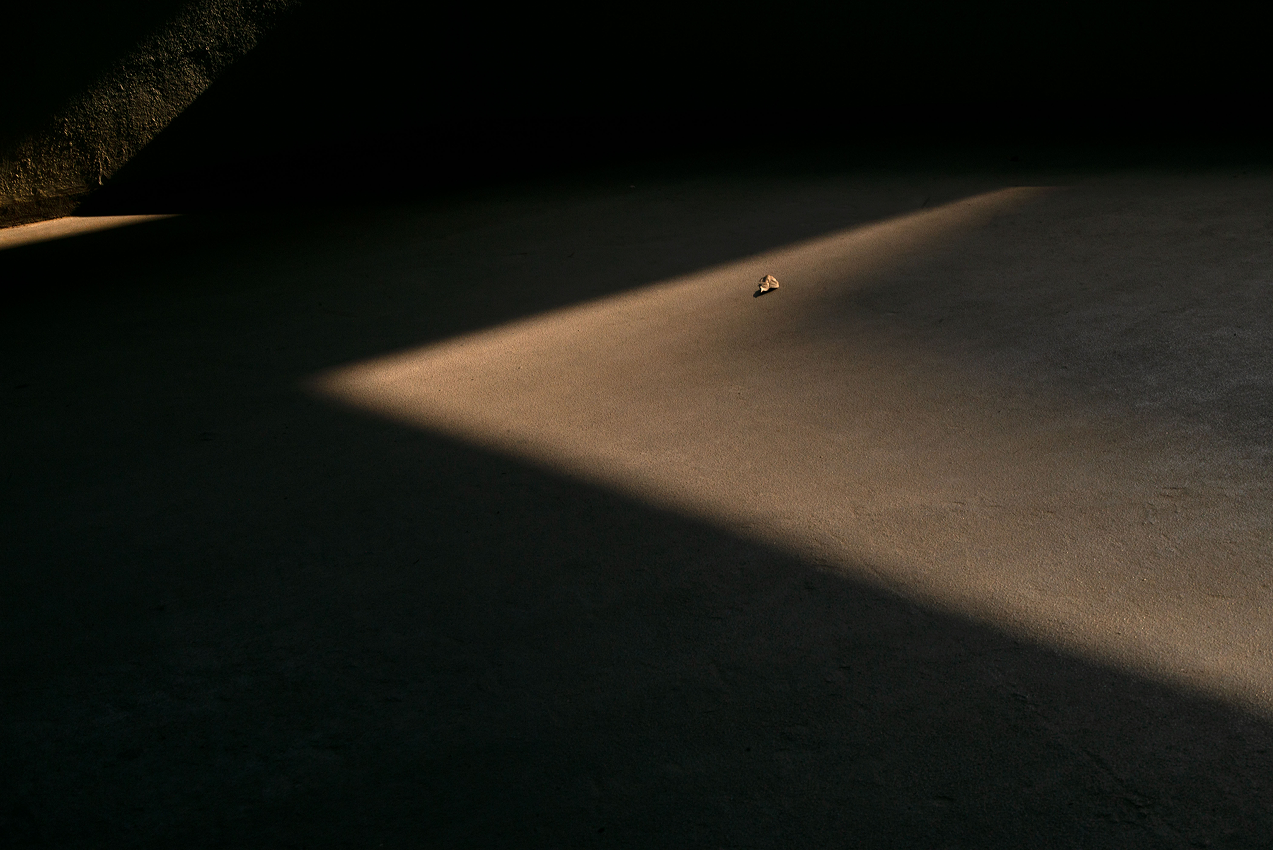
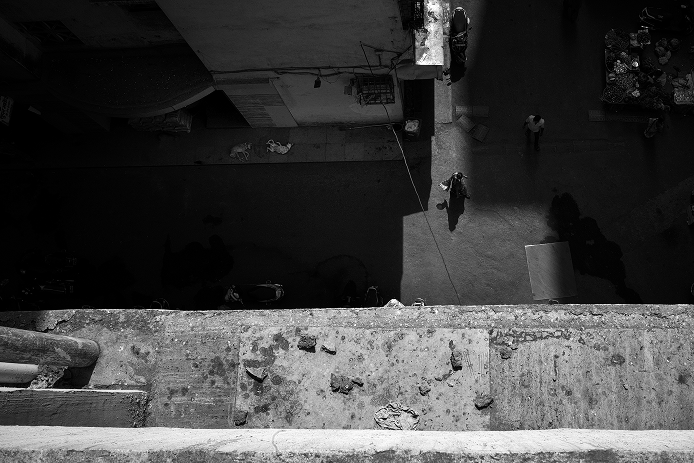
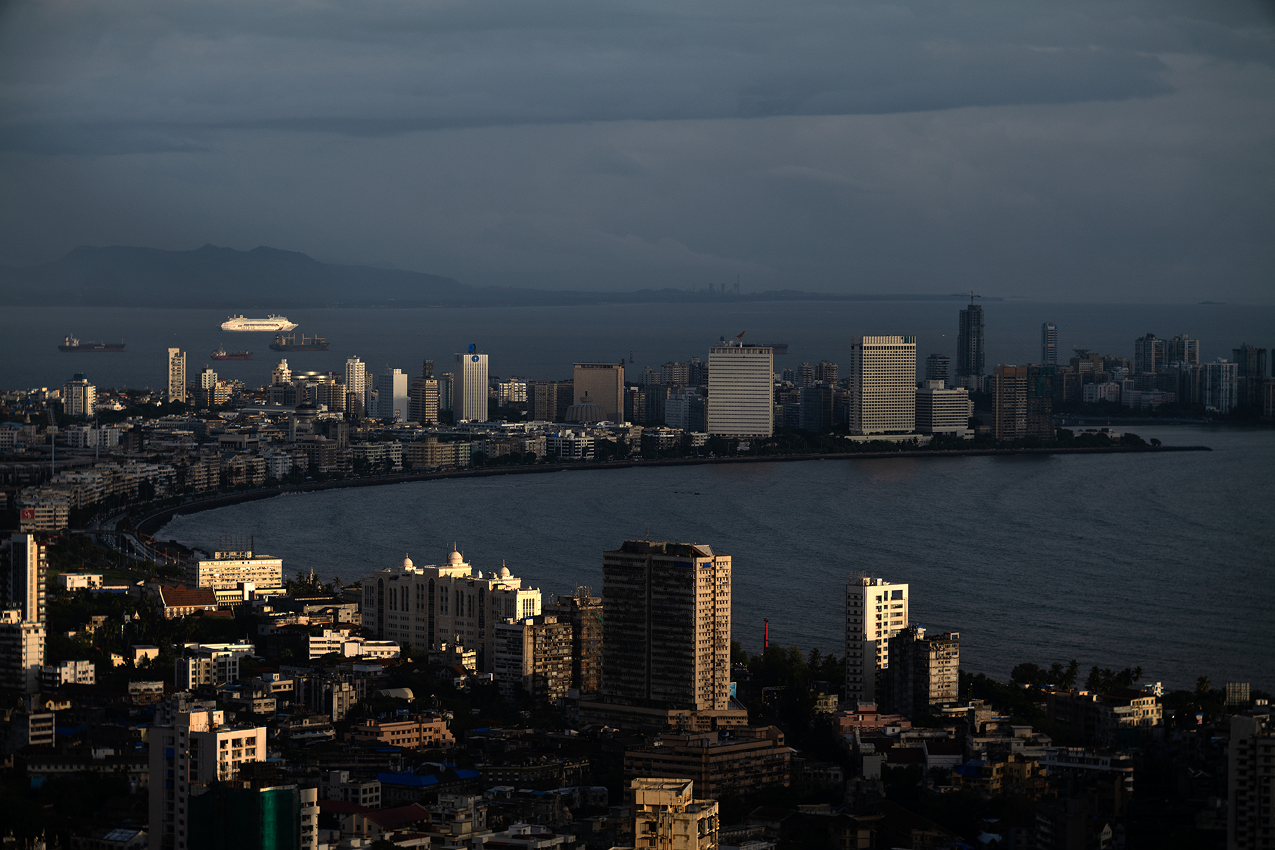
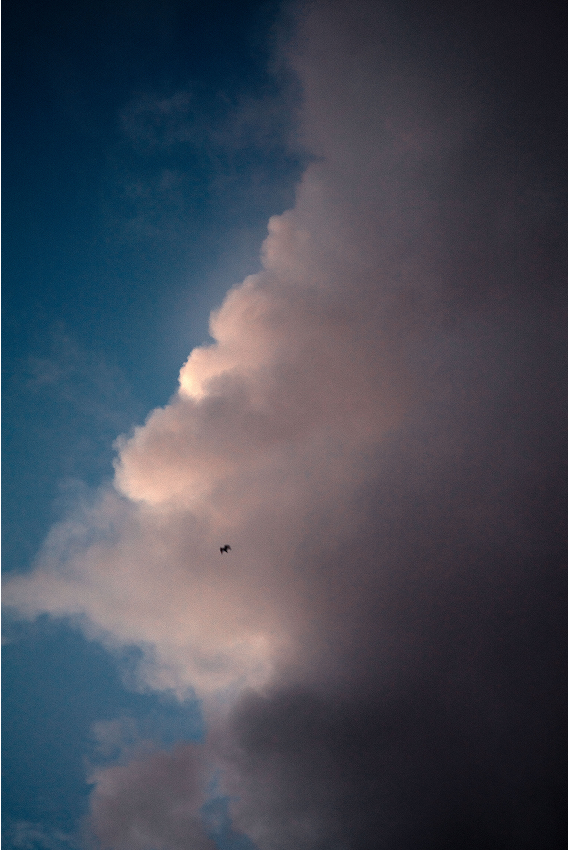
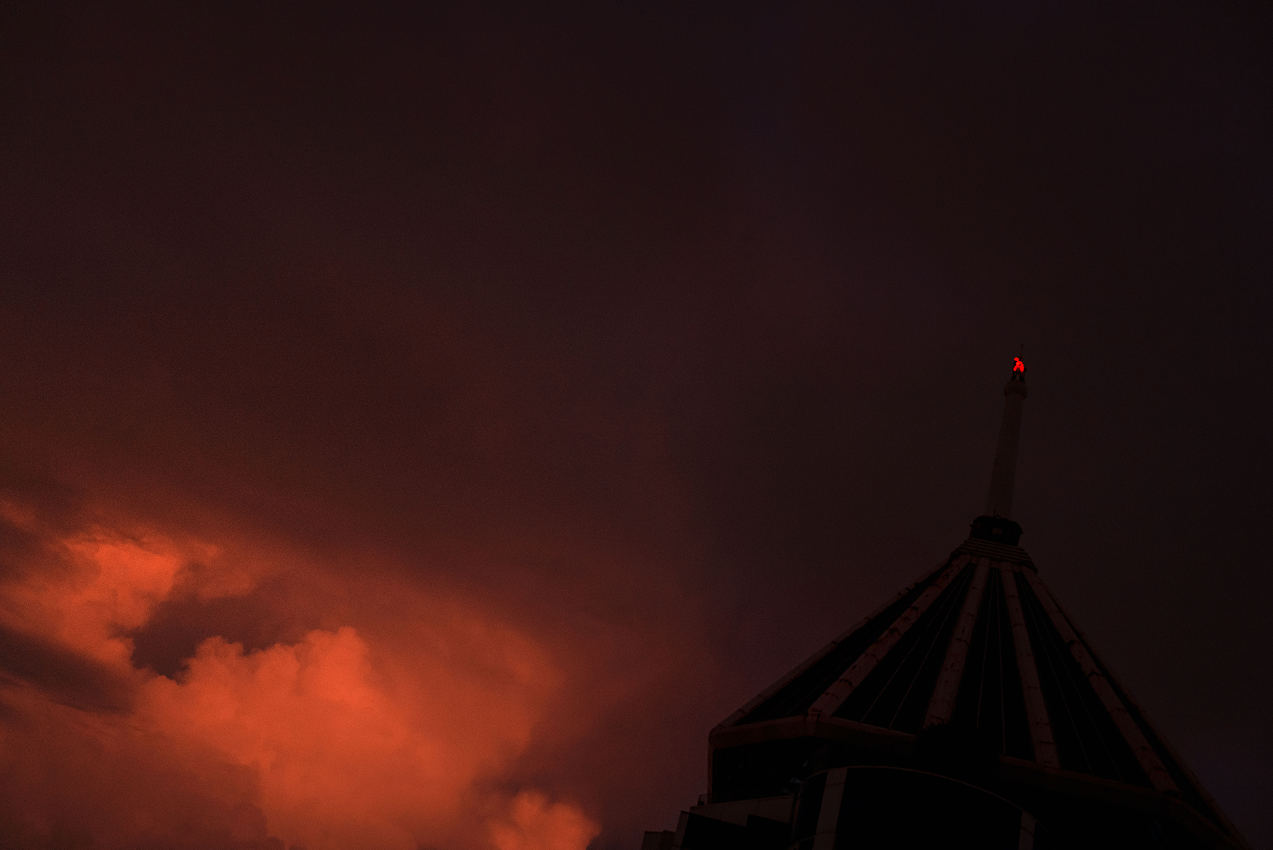
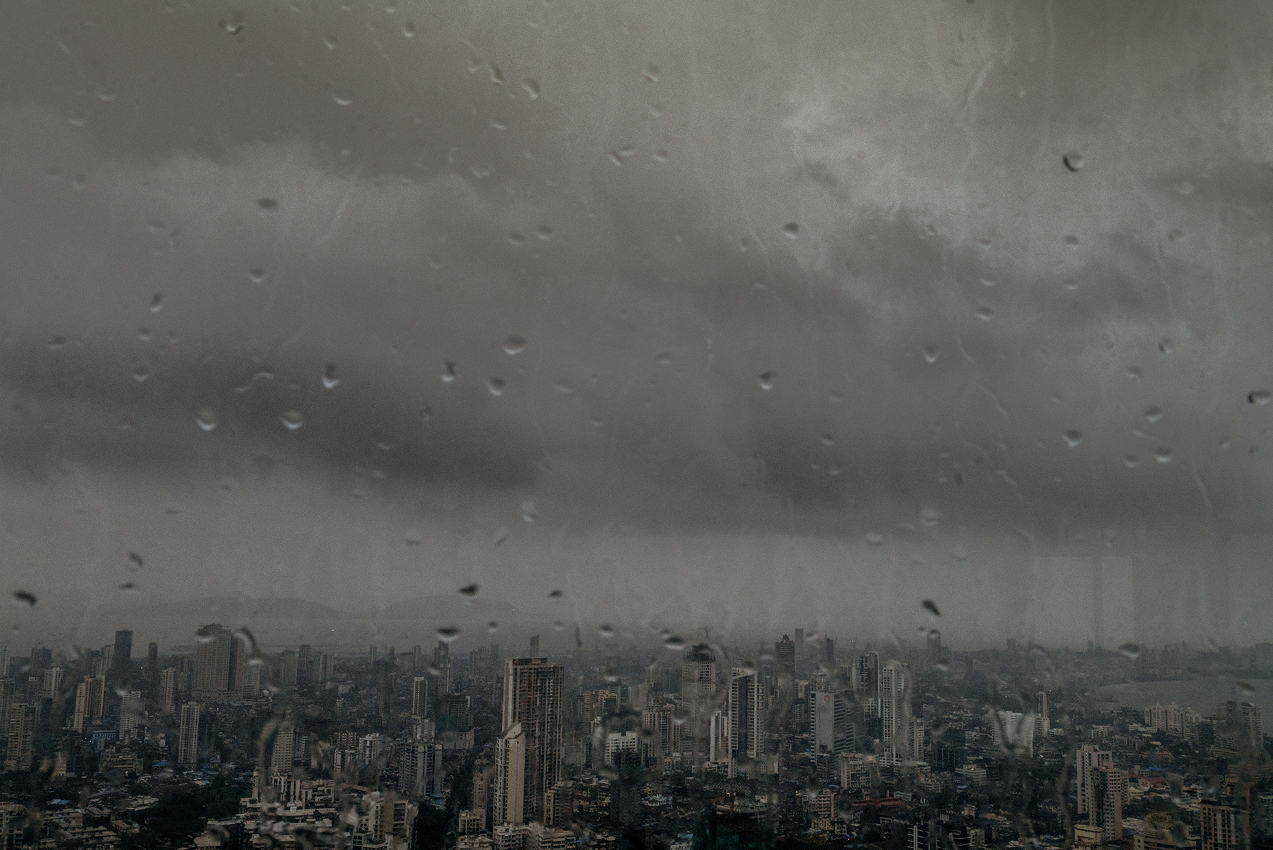
The skies that develop over the city as the monsoon arrives have always been there, but how often did I notice them? My exercise which consisted of daily walks through a covered parking lot, up a concrete ramp, and climbing fifty-five flights of stairs slowly revealed a hidden beauty.
I suspected that loitering, exercising and wandering up and down and round and round would not amount to much more than a valuable act of meditation.
After more than a year I decided to see if there was anything worth sharing. The results of that difficult year are here, however the answer to that question, does not lie with me.
SUNHIL SIPPY
June 2021